Table of Contents
- What is a Facial Symmetry Test and Why Does It Matter?
- Types of Facial Symmetry Tests
- Most Common At-Home Facial Symmetry Test Methods (8 Main Steps)
- When Should You Take Asymmetry Symptoms Seriously?
- Professional Evaluation Process
- Correction Approaches
- Risk Factors and Prevention Methods
- Frequently Asked Questions
- Conclusion
Important Disclaimer: This article is for general informational purposes only. A facial symmetry test can be a fun self-awareness tool, but noticeable asymmetry may indicate underlying health issues (such as TMJ disorders, nerve damage, etc.). If you feel any discomfort, please consult a specialist maxillofacial surgeon immediately. Early assessment can significantly improve your quality of life.
1. What is a Facial Symmetry Test and Why Does It Matter?
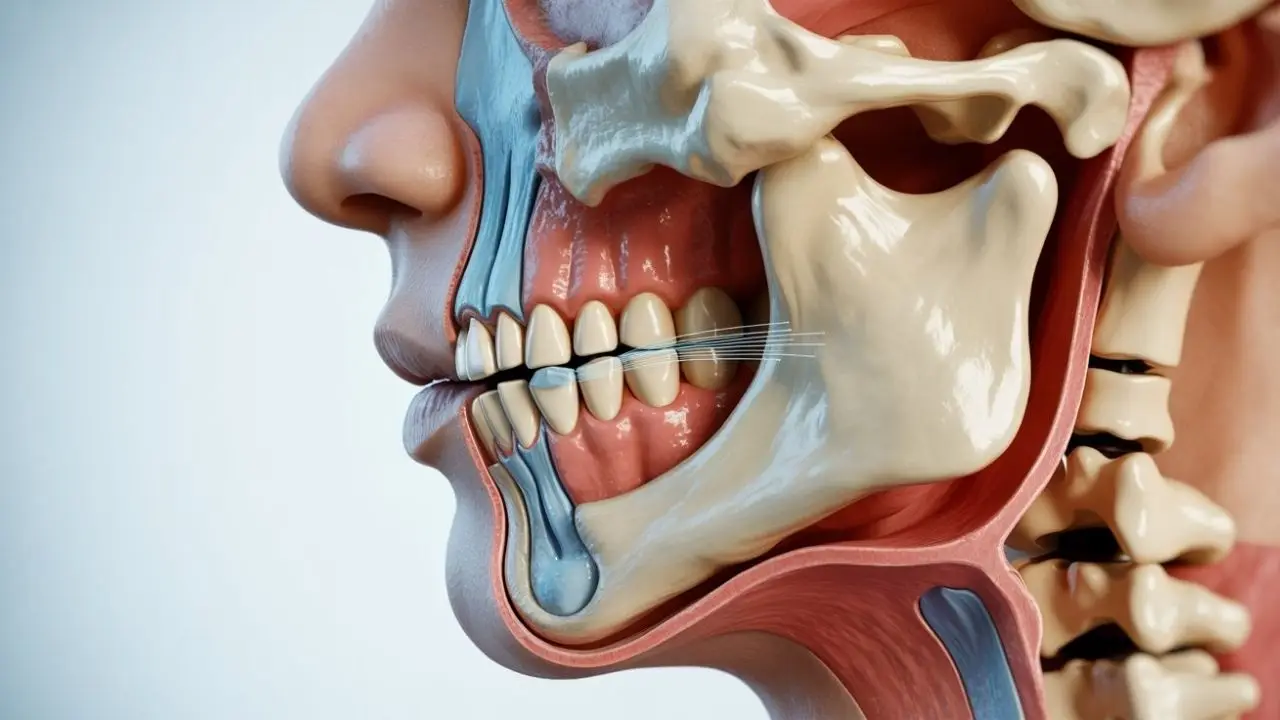
A facial symmetry test is a simple evaluation method that measures how well the right and left sides of your face align. Everyone has some degree of natural facial asymmetry — caused by genetics, sleeping position, chewing habits, or aging. Perfect symmetry means the right and left halves of the face are nearly identical when divided by an imaginary midline.
Why does it matter? Symmetry plays a major role in perceived attractiveness and can also be an indicator of jaw joint (TMJ) problems, bite misalignment, or aesthetic concerns. Specialists like Prof. Dr. Celal Çandırlı perform this test daily in the clinic — mild asymmetries are considered normal, while more pronounced ones can often be corrected with proper treatment.
2. Types of Facial Symmetry Tests
- At-Home Simple Tests (photos, mirror, apps)
- Golden Ratio-Based Measurements (analysis based on the 1.618 ratio)
- Professional Clinical Tests (3D scanning, CBCT, clinical examination)
- Dynamic Symmetry Test (asymmetry during smiling, talking, etc.)
3. Most Common At-Home Facial Symmetry Test Methods (8 Main Steps)
Here’s how you can quickly check your facial symmetry at home. If differences persist for more than 2 weeks, consult a specialist:
- Take a Straight Photo – Hold the camera at eye level, look straight ahead, no smile (stabilize your phone).
- Draw the Midline – Use a photo editing app (Photoshop, Snapseed, or free tools) to draw a vertical line exactly down the center of your face.
- Compare Right vs Left – Cut one side of the face along the midline and flip it to the other side (mirror effect) — do the eyes, eyebrows, nose, and lips match?
- Mirror Test – Look in the mirror and imagine a vertical centerline; are the distances between eyes, ear positions, etc., equal on both sides?
- Golden Ratio Check – Upload your photo to online tools (e.g., facesymmetrytest.app); check if eye spacing, nose length, etc., are close to the 1.618 ratio.
- App Quick Test – Use TikTok/Instagram filters (inverted symmetry or face symmetry filter) to flip half of your face — asymmetry becomes very obvious.
- Dynamic Movement Test – Smile, raise your eyebrows, speak — does one side move less or droop?
- Chewing & Sleep Habit Check – Do you chew mostly on one side? Do you always sleep on the same side? (These habits increase asymmetry over time.)
Prof. Dr. Celal Çandırlı combines these tests with 3D simulations in his patients for far more accurate and personalized results.
4. When Should You Take Asymmetry Symptoms Seriously?
- Asymmetry persists or worsens after more than 2 weeks
- You have jaw pain + numbness + swelling
- Bite misalignment or difficulty chewing develops
- You notice facial paralysis-like loss of sensation
Mild asymmetry is normal, but noticeable cases can often be improved with jaw surgery or other treatments.
5. Professional Evaluation Process
- Clinical examination + panoramic X-ray
- 3D Cone Beam Computed Tomography (CBCT) → Clearly shows bone structure
- Facial Scanning & Golden Ratio Analysis → Digital precision measurement
- Orthognathic Planning → Evaluates jaw position and alignment
6. Correction Approaches
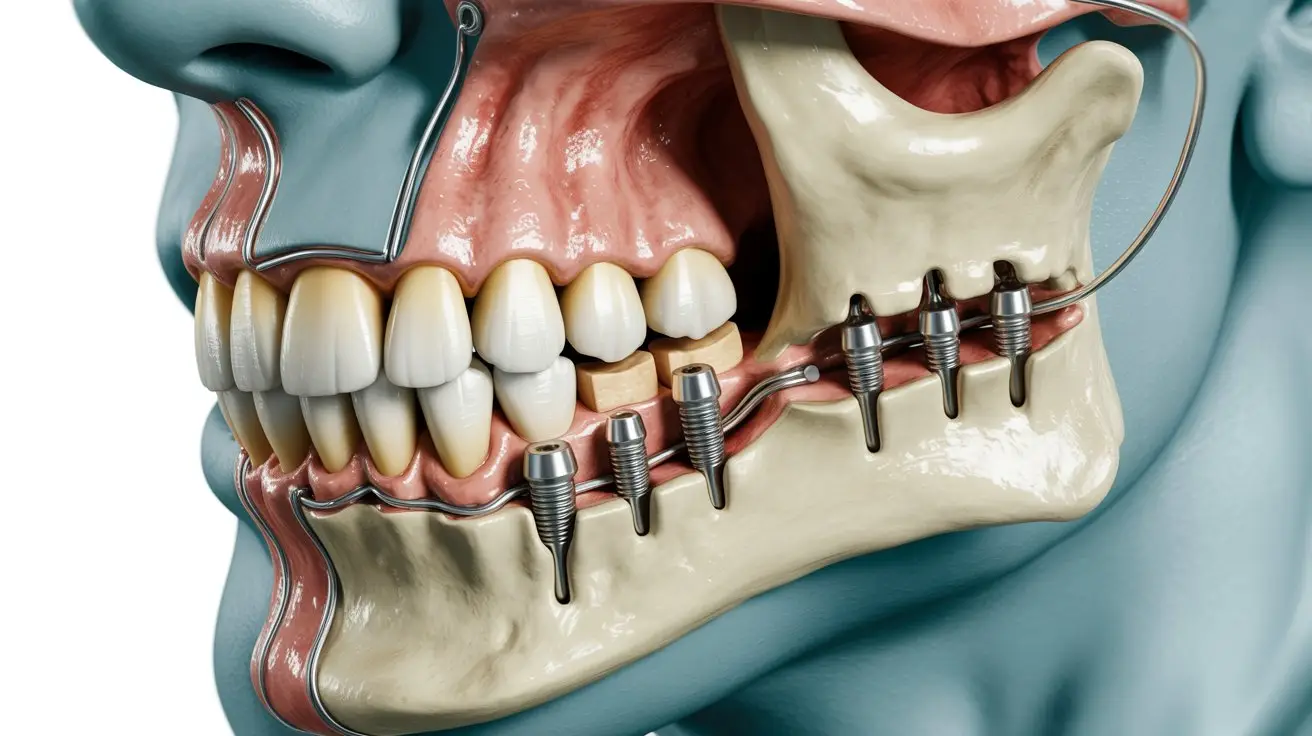
- Orthognathic Surgery – Corrects jaw misalignment (Prof. Dr. Celal Çandırlı’s specialty area)
- Fillers / Botox – Adds volume for mild asymmetries
- Cheekbone / Chin Implants – Balances uneven areas
- Orthodontics – Corrects bite and tooth alignment
- Multidisciplinary approach (surgeon + orthodontist)
7. Risk Factors and Prevention Methods
- One-sided chewing habit
- Sleeping always on the same side
- Dental problems / TMJ disorders
- Aging / trauma
Prevention: Chew on both sides, sleep on your back, maintain regular dental check-ups.
8. Frequently Asked Questions
Why isn’t my face symmetrical? Mild asymmetry exists in everyone — it’s caused by genetics and daily habits.
Is an at-home test enough? Yes for fun, but serious differences require a clinical examination.
Can asymmetry be corrected in young people? Yes — early intervention (orthodontics or surgery) gives excellent results.
What is the cost? The test itself may be free; correction surgery varies by complexity. Contact us for detailed information.
9. Conclusion
A facial symmetry test helps you understand yourself better — mild differences are natural, but noticeable asymmetry may point to aesthetic or health concerns. If you experience jaw pain, numbness, or increasing asymmetry, don’t delay.
Prof. Dr. Celal Çandırlı, with over 20 years of clinical experience and advanced training at NHS Poole & Newcastle Freeman Hospital in the UK, is a leading maxillofacial surgeon specializing in facial symmetry and jaw asymmetry correction.
For detailed evaluation and appointment, feel free to contact us.
Prof. Dr. Celal Çandırlı Oral, Maxillofacial & Jaw Surgeon • Graduate of NHS Poole & Newcastle Freeman Hospital, UK • 20+ years of experience • 50+ international publications
This article is for informational purposes only. Treatment decisions should be made only after a doctor’s examination.