Current Approaches to Jaw and Facial Reconstruction
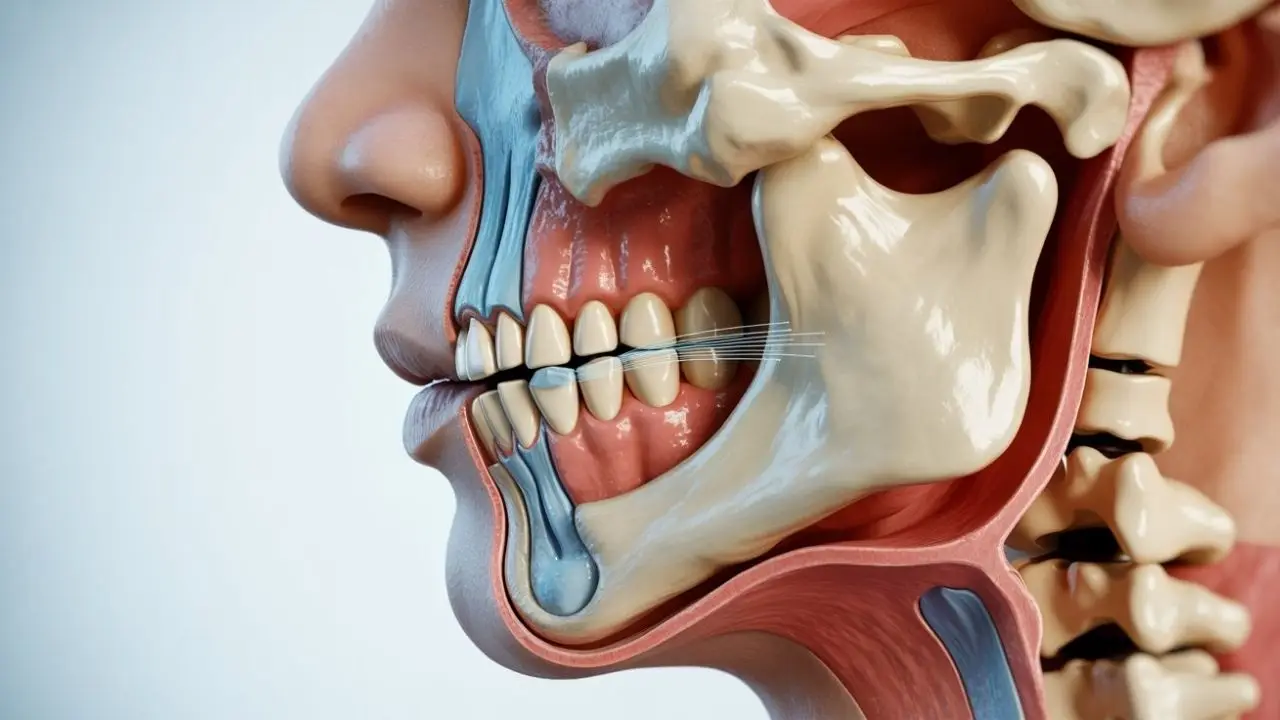
Facial reconstruction and jaw reconstruction represent evolving fields within maxillofacial surgery that address structural challenges in the face and jaws. These procedures often involve modern surgical techniques tailored to individual bone and soft tissue conditions.
Patients may encounter situations where jaw surgery becomes relevant due to trauma, congenital differences, or progressive bone loss. Understanding the general options helps set realistic expectations before any clinical assessment.
Understanding Jaw Reconstruction Needs
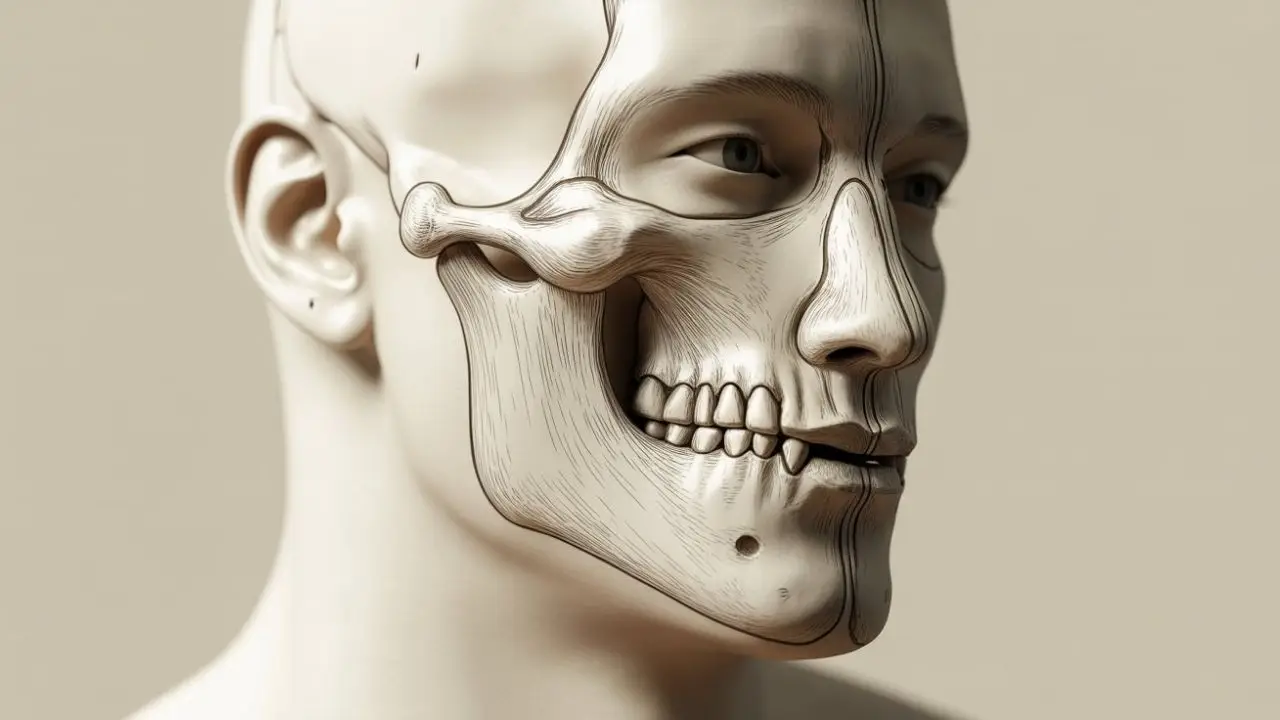
Jaw reconstruction focuses on restoring the form and function of the lower or upper jaw when significant bone volume is missing. Causes can range from injury to long-term tooth loss that affects the alveolar bone.
Evaluation typically includes clinical examination and three-dimensional imaging to determine the extent of the defect and possible reconstruction pathways.
Modern Surgical Techniques in Facial Reconstruction
Modern surgical techniques in facial reconstruction increasingly rely on computer-assisted planning and patient-specific models. These methods allow precise positioning of bone segments and improved predictability of outcomes.
Surgeons may combine bone grafts with vascularized tissue transfer when larger defects are present. Recovery timelines vary according to the complexity of the case and the patient’s overall health status.
Role of Implant Applications
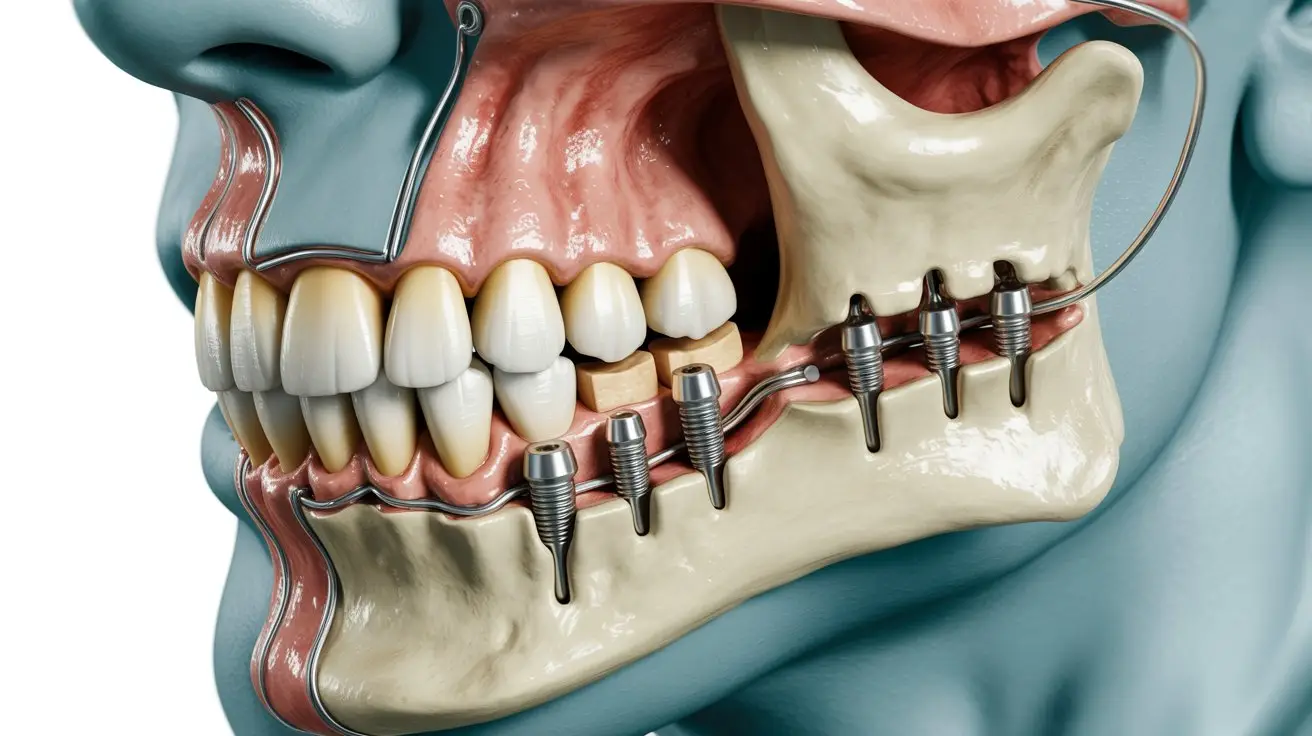
Implant applications, such as zygomatic or custom implants, can provide additional support when conventional bone grafting alone is insufficient. These options are considered after detailed radiographic and clinical analysis.
Success depends on factors including bone quality, soft tissue coverage, and absence of active infection. Not every patient will be a candidate for the same approach.
| Aspect | General Description |
|---|---|
| Assessment | Clinical examination combined with 3D imaging helps outline possible options. |
| Technique Selection | Choice between grafting, implants, or combined methods depends on defect size and location. |
| Recovery Considerations | Healing periods and dietary modifications are discussed on a case-by-case basis. |
Considerations Before Jaw Surgery
Before jaw surgery, medical history, current medications, and lifestyle factors are reviewed. Smoking cessation and nutritional optimization are commonly advised to support healing.
Alternative approaches, including less invasive stabilization methods, may be suitable for milder conditions and are evaluated during consultation.
Frequently Asked Questions
What conditions commonly lead to facial reconstruction?
Facial reconstruction may be discussed after trauma, tumor removal, or developmental conditions affecting bone and soft tissue symmetry. Suitability is determined through personalized imaging and examination.
How do modern surgical techniques differ from older methods?
Modern surgical techniques often incorporate digital planning and customized guides that can improve precision. Outcomes still depend on individual healing responses and defect characteristics.
Are implant applications always necessary in jaw reconstruction?
Implant applications are not universally required. Their use is evaluated when native bone volume is inadequate for conventional reconstruction goals.
What risks are associated with jaw surgery?
Jaw surgery carries general surgical risks such as infection, nerve changes, or delayed healing. These possibilities are reviewed during the planning stage with each patient.
Can children undergo facial reconstruction procedures?
Facial reconstruction in growing patients requires special timing considerations to accommodate ongoing development. Multidisciplinary teams usually coordinate care.
How long does recovery from jaw reconstruction typically take?
Recovery duration varies widely and is influenced by the extent of surgery, graft type, and patient health. Follow-up visits help monitor progress and address any concerns.
Conclusion
Facial reconstruction and jaw reconstruction involve a range of modern surgical techniques and implant applications that are selected according to specific anatomical findings. Personal evaluation remains essential to determine the most appropriate path forward.
Expert Information
This content is prepared for general informational purposes in the field of oral, dental, and maxillofacial surgery. Prof. Dr. Celal Çandırlı’s more than 20 years of professional experience and training at England’s NHS Poole Hospital and Newcastle Freeman Hospital contribute to the scientific and clinical framing of the topic.
This content is for general information purposes only and does not replace diagnosis or treatment. Consult a dentist or relevant specialist healthcare professional for any concerns regarding oral, dental, or jaw health.