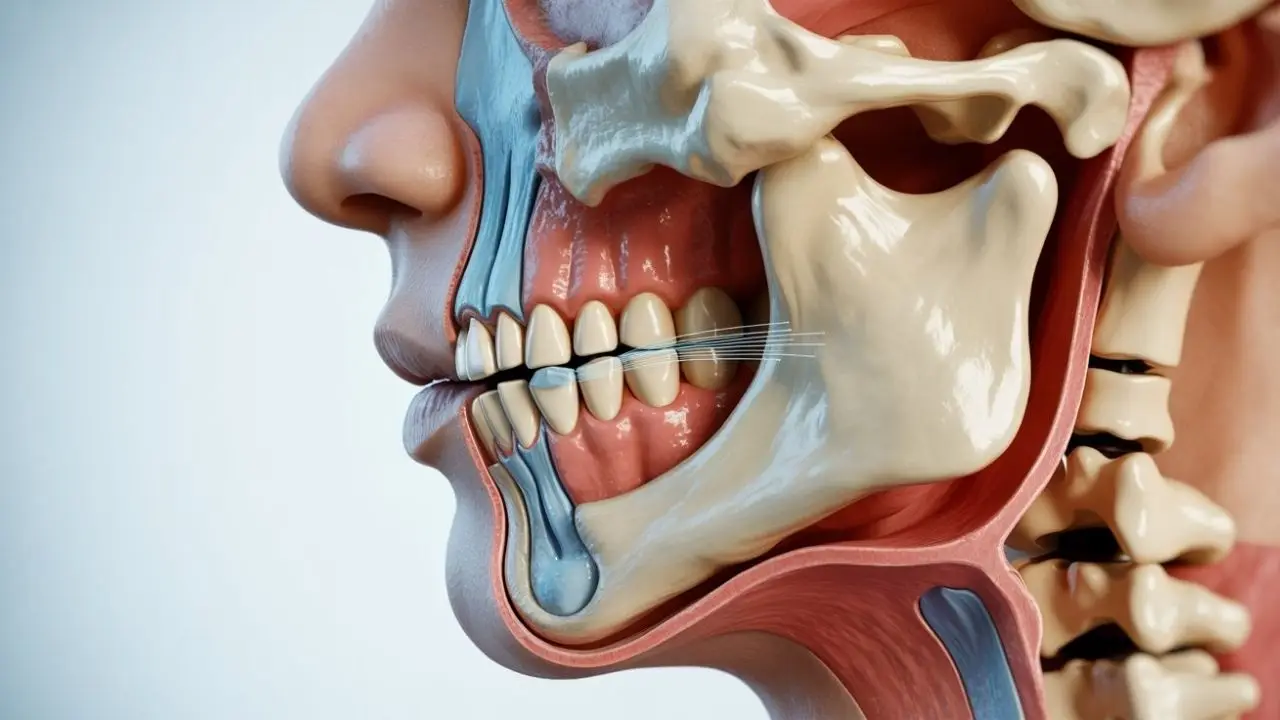
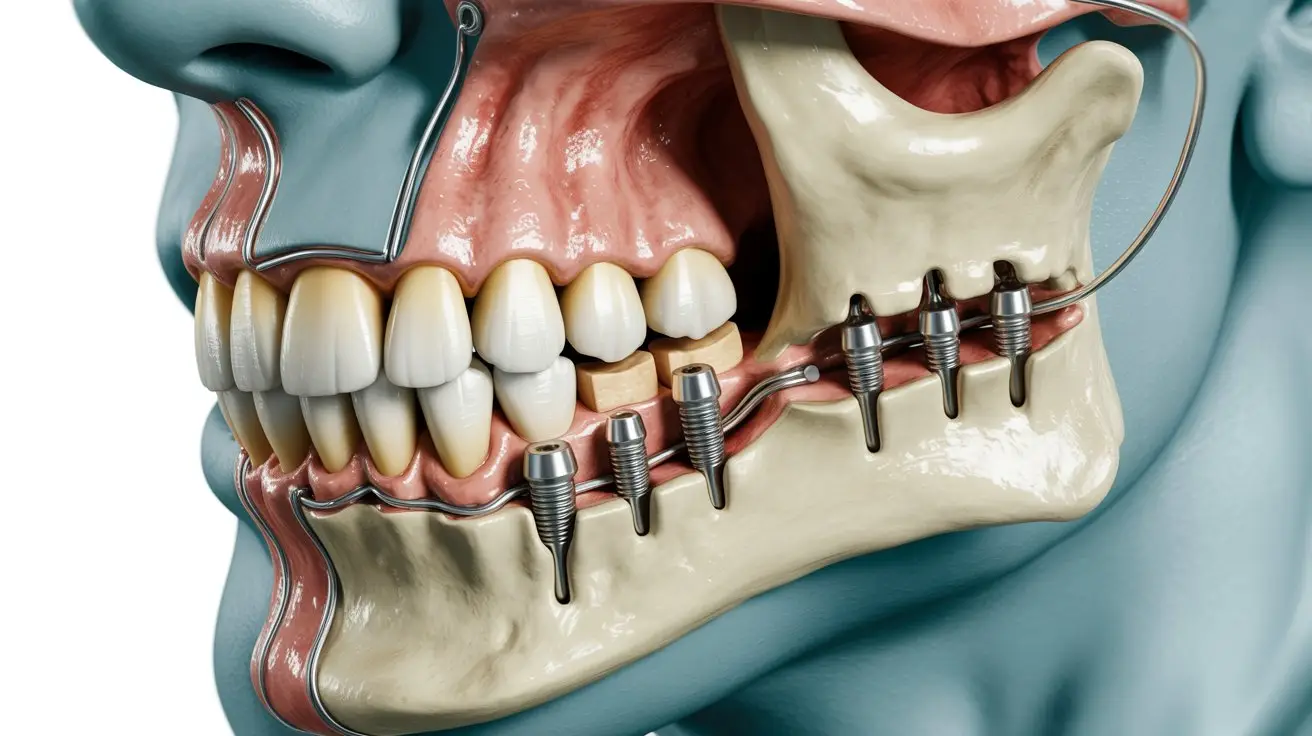
Maxillofacial procedures—such as orthognathic (jaw) surgery, facial implants, or complex revision (secondary) operations—are medical processes that demand extreme precision. When planning such surgeries, the most critical decision a patient must make is selecting the right surgeon. So, how exactly do a surgeon’s academic background and clinical experience impact the treatment process in challenging craniomaxillofacial operations?
Why is Specialized Expertise Crucial in Maxillofacial Surgery?
The jaw and facial region (craniomaxillofacial area) is an incredibly complex anatomical structure where vital functions—such as breathing, chewing, and speech—are managed, while simultaneously determining a person’s outward appearance (aesthetics). Surgical interventions in this area require the meticulous preservation of a dense network of blood vessels and facial nerves.
For this reason, procedures like facial asymmetry corrections, upper/lower jaw advancement (orthognathic surgery), or Temporomandibular Joint (TMJ) surgeries are not mere cosmetic touch-ups; they are advanced functional operations that reconstruct the skeletal architecture. This necessitates that the managing surgeon has absolute mastery over facial anatomy, biomechanics, and the management of surgical complications.
What Does the Title “Professor” Signify in Medicine?
In medicine and dentistry, the title of “Professor” does not merely indicate many years of clinical work; it represents an active and ongoing contribution to the advancement of medical science. The professional routine of a surgeon with an academic career inherently includes the following elements:
Research and Literature Contribution: They do not just follow the latest advancements; they guide science by introducing new surgical techniques and research to national and international medical literature.
Evidence-Based Medical Approach: They base their treatment decisions not on momentary personal preferences, but on scientific data, long-term clinical follow-ups, and the most current, globally accepted medical protocols.
Educational Mission: They train the specialist physicians and surgeons of the future. Because they continuously teach anatomy and surgical principles to medical residents, their theoretical and practical knowledge remains consistently at the highest, most updated level.
The Role of Academic Experience in Advanced and Complex Cases
While routine treatments can be successfully performed by many specialist surgeons, severe anatomical anomalies, advanced skeletal discrepancies, or surgeries previously performed at other centers that resulted in undesirable outcomes (revision surgeries) are typically referred to tertiary healthcare providers, academic faculties, and university clinics.
The primary reason for this is that highly complex cases cannot be resolved with standard, one-size-fits-all procedures. A physician with an academic background:
Possesses a profound capacity for clinical problem-solving and complication management, forged through years of encountering rare and highly challenging cases.
Is among the pioneering scientists to integrate modern medical engineering tools into clinical practice, such as 3D Virtual Surgical Planning (VSP), custom-made facial implants, and navigation-guided surgery.
Why Seek an Academic Opinion for Revision (Secondary) Jaw Surgery?
Planning a revision surgery for patients whose aesthetic or functional (chewing/breathing) expectations were not met during their initial surgery is significantly more difficult than the first operation. Tissue structures may have been altered, bone loss might have occurred, or new asymmetries may have developed.
Physicians who have dedicated many years to maxillofacial surgery and academic research, such as Prof. Dr. Celal Çandırlı, approach revision cases by digitally mapping the existing damage (using 3D CBCT scans and VSP). This allows them to scientifically identify the root cause of the problem and develop highly personalized, precise reconstruction strategies.
Frequently Asked Questions (FAQ)
Is a surgeon’s academic title the only criterion to consider for a surgical operation? No. An academic title is a very strong reference indicating the physician’s scientific competence and mastery of medical literature. However, alongside this, the surgeon’s communication skills, their approach to the patient during the pre- and post-operative periods, their proficiency in using digital surgical technologies (like VSP), and the bond of trust established between the doctor and patient are equally critical to the success of the treatment.
Is orthognathic (jaw) surgery performed solely for aesthetic purposes? While jaw surgery provides significant aesthetic improvements to the facial profile, its primary goal is almost always functional. In operations planned with an academic approach, the patient’s chewing alignment, speech clarity, jaw joint (TMJ) health, and airway expansion (respiration) are evaluated holistically alongside their aesthetic expectations.
To receive a scientific evaluation regarding your complex maxillofacial surgical processes, revision surgery needs, or treatments supported by Virtual Surgical Planning (VSP), you can schedule a medical consultation with the Prof. Dr. Celal Çandırlı clinic.