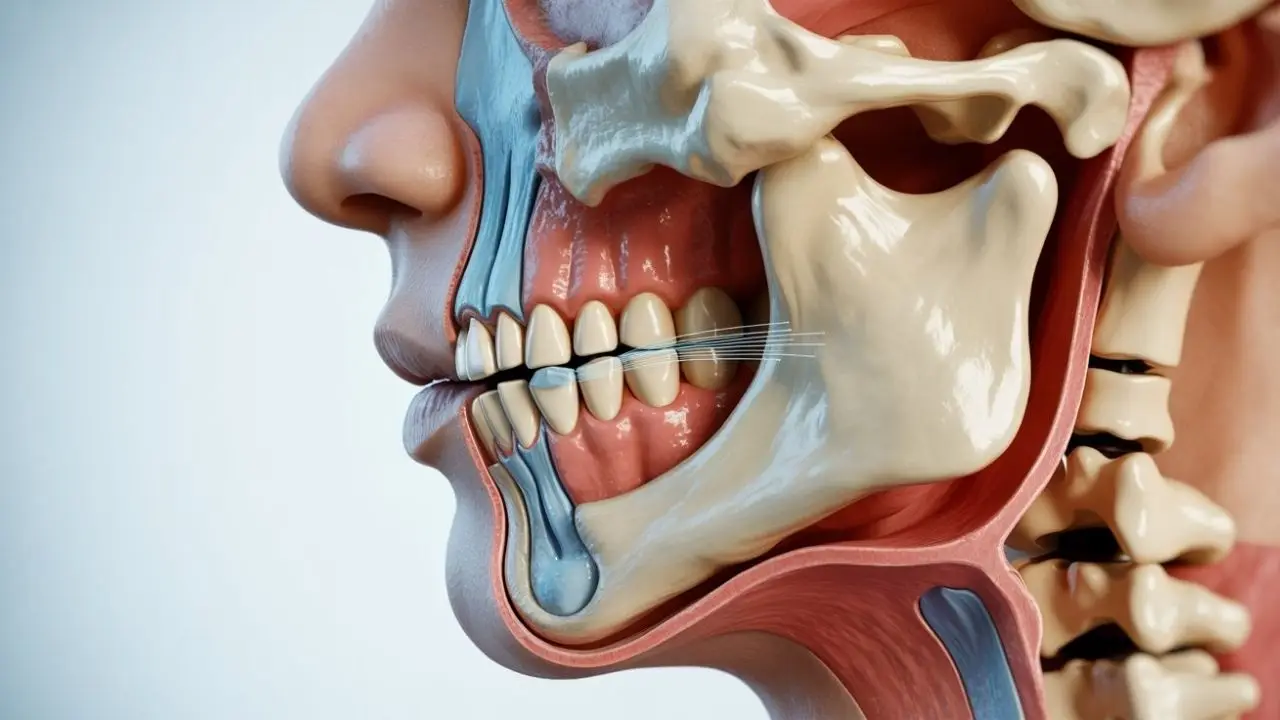
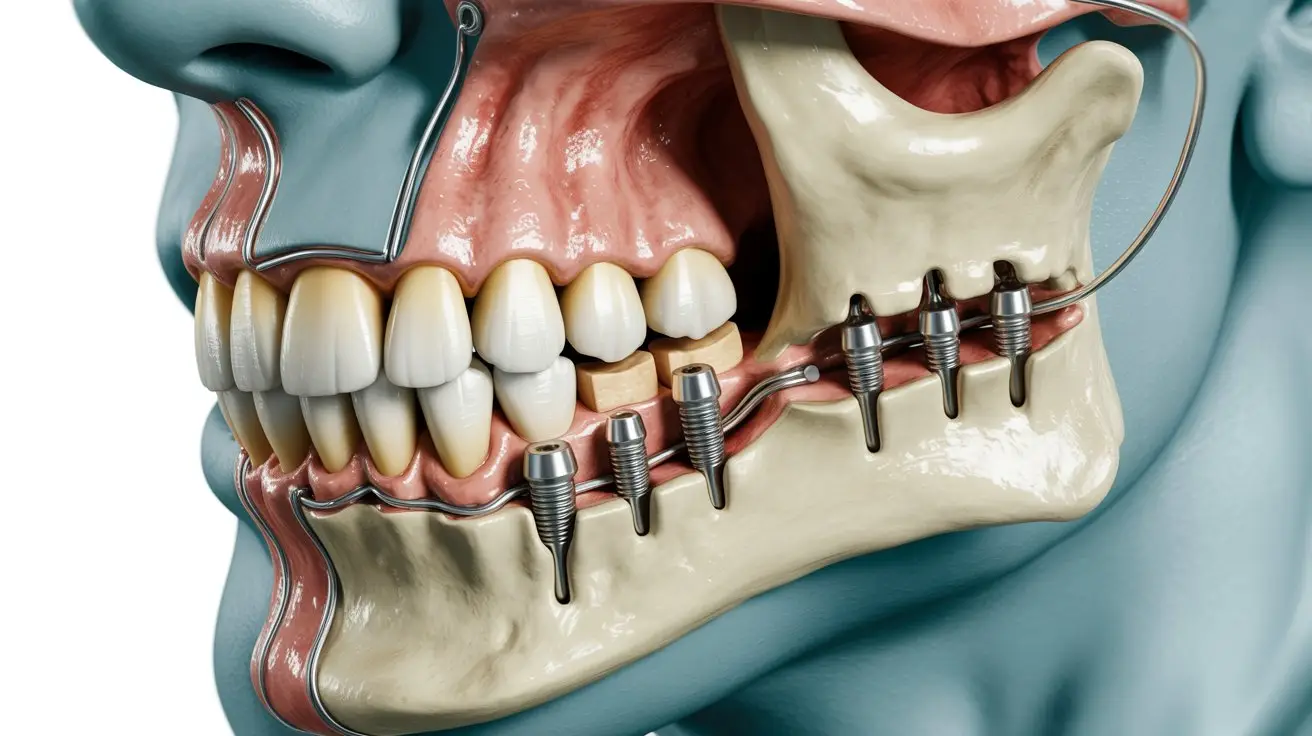
Virtual Surgical Planning (VSP) is an advanced medical technology that allows complex surgical operations in the jaw and facial region to be simulated in 3D on a computer before the actual procedure takes place. By pre-planning every step of the operation digitally, this method ensures that the surgical process is highly predictable, significantly safer, and executed with absolute millimetric precision.
What is 3D Virtual Surgical Planning (VSP)?
In previous decades, orthognathic (jaw) and facial surgeries relied heavily on 2D X-rays and physical measurements taken from plaster dental models. Today, however, Virtual Surgical Planning (VSP) has become the gold standard protocol in modern craniomaxillofacial surgery.
The process begins with acquiring the patient’s 3D Cone Beam Computed Tomography (CBCT) and high-resolution intraoral digital scans. This data is transferred into specialized medical software to create an exact “digital twin” of the patient’s skull, jawbones, teeth, and soft tissues.
On this digital interface, the surgeon virtually performs the entire operation—calculating all bone cuts (osteotomies), determining exactly how many millimeters the jaws need to be advanced or set back, and establishing the precise positioning of facial implants. Once the ideal skeletal anatomy is achieved digitally, custom 3D-printed surgical guides (splints) are fabricated to guide the surgeon flawlessly during the actual operation in the operating room.
Traditional Planning vs. VSP-Assisted Surgery
How does VSP technology transform the operational process by combining surgical expertise with digital engineering?
| Feature | Traditional Surgical Planning | 3D VSP-Assisted Surgical Planning |
| Pre-Operative Data | 2D X-rays, cephalometric tracings, and physical plaster models. | 3D CBCT scans and digital intraoral optical impressions. |
| Surgical Decisions | Some detailed anatomical adjustments are made intraoperatively (during surgery). | Bone movements and asymmetry corrections are calculated millimetrically on a computer prior to surgery. |
| Operation Duration | May take longer due to intraoperative measurements and manual assessments. | Operative time is significantly reduced since all calculations are pre-determined and 3D guides are used. |
| Surgical Guidance | Standard templates and physical measuring tools are utilized. | Custom 3D-printed surgical guides, perfectly molded to the patient’s own bone structure, are used. |
| Predictability | The treatment outcome relies heavily on the surgeon’s manual experience and intraoperative vision. | Both skeletal movements and the resulting soft tissue changes are digitally simulated in advance. |
Why VSP Demands High-Level Surgical Expertise
The most crucial point to understand about VSP is this: The software does not plan the surgery on its own. The computer is merely an advanced tool. Inputting the correct biomechanical movements, ensuring the preservation of the patient’s facial architecture, and maintaining temporomandibular joint (TMJ) health depend entirely on the clinical wisdom and experience of the surgeon.
Prof. Dr. Celal Çandırlı, utilizing his profound anatomical knowledge and academic expertise, personally manages this digital planning phase. From designing custom PEEK or Titanium facial implants to plotting complex orthognathic (double jaw) surgeries, the entire process is shaped by the surgeon’s medical and aesthetic decisions on the software.
Frequently Asked Questions (FAQ)
Does VSP technology make the surgery safer?
Yes, it is a major factor in enhancing operational safety. Through 3D planning, the exact locations of nerve canals, tooth roots, and main blood vessels are meticulously mapped out prior to the operation. This drastically minimizes the risk of tissue damage during surgery. Furthermore, the shortened operation time means the patient remains under general anesthesia for a shorter period, which translates to less postoperative swelling and a faster recovery.
Can VSP show me exactly what my face will look like after surgery?
VSP software offers an advanced “soft tissue simulation” that demonstrates how the new positioning of the bones will affect the overlying soft tissues (skin, lips, cheeks). This simulation provides a highly accurate prediction of your postoperative facial profile. However, because every individual’s biological healing process, tissue elasticity, and muscle structure are unique, the simulation should be viewed as the closest medical estimation rather than a guaranteed photographic replica.
Is VSP used for patients who have had failed surgeries in the past (revision surgery)?
Yes, the use of VSP is practically mandatory in revision (secondary) surgeries. Identifying bone loss, new asymmetries, and anatomical alterations caused by previous operations is highly complex. Digitally mapping out the existing damage and virtually planning the exact steps needed to reconstruct the face or jaw greatly increases the success rate of revision surgeries.
To receive a scientific evaluation regarding your complex maxillofacial surgical processes, 3D tomography analyses, and treatments supported by Virtual Surgical Planning (VSP), you can schedule a medical consultation with the Prof. Dr. Celal Çandırlı clinic.