Table of Contents
- What is the Temporomandibular Joint (TMJ)?
- Common Symptoms of TMJ Disorders
- When Is TMJ Surgery Necessary?
- Surgical Techniques Used in TMJ Surgery
- The Surgical Process and Recovery
- Risks and Success Rates
- Frequently Asked Questions
- Conclusion
Important Disclaimer: This article is for general informational purposes only. TMJ surgery is a complex procedure that requires individualized planning. Any treatment decision should be made only after a thorough examination and imaging by an experienced maxillofacial surgeon.
1. What is the Temporomandibular Joint (TMJ)?
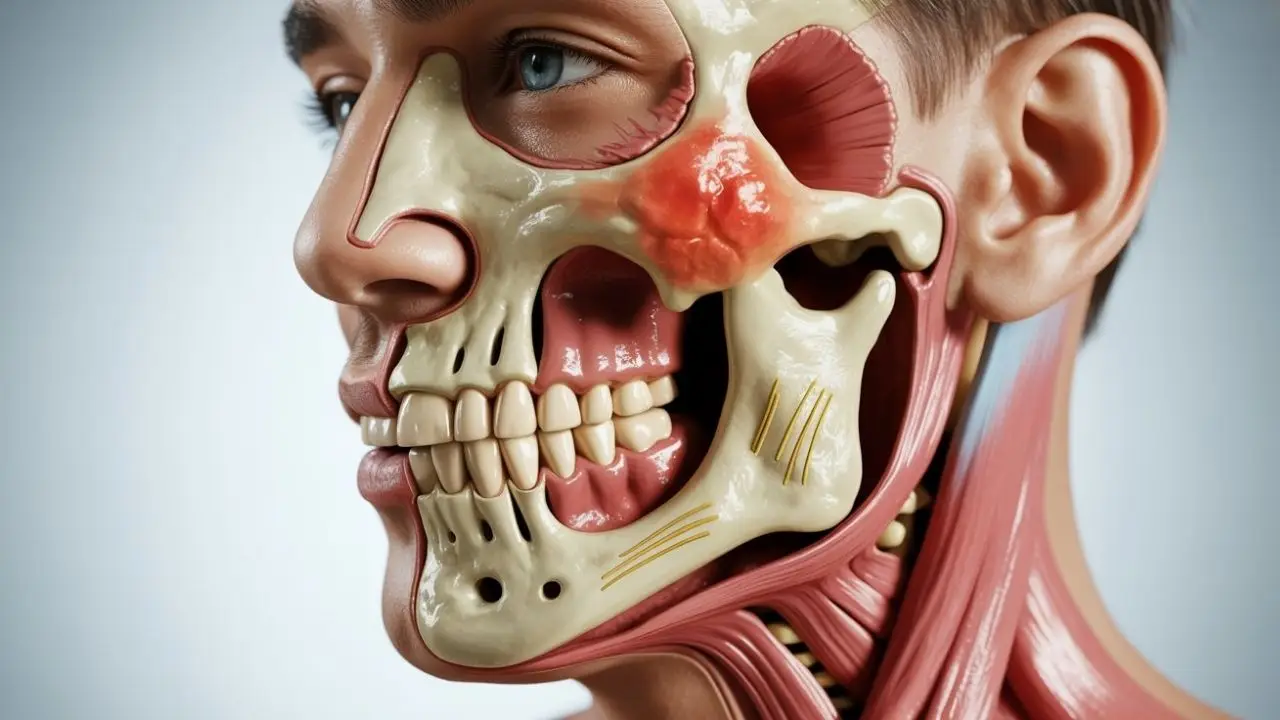
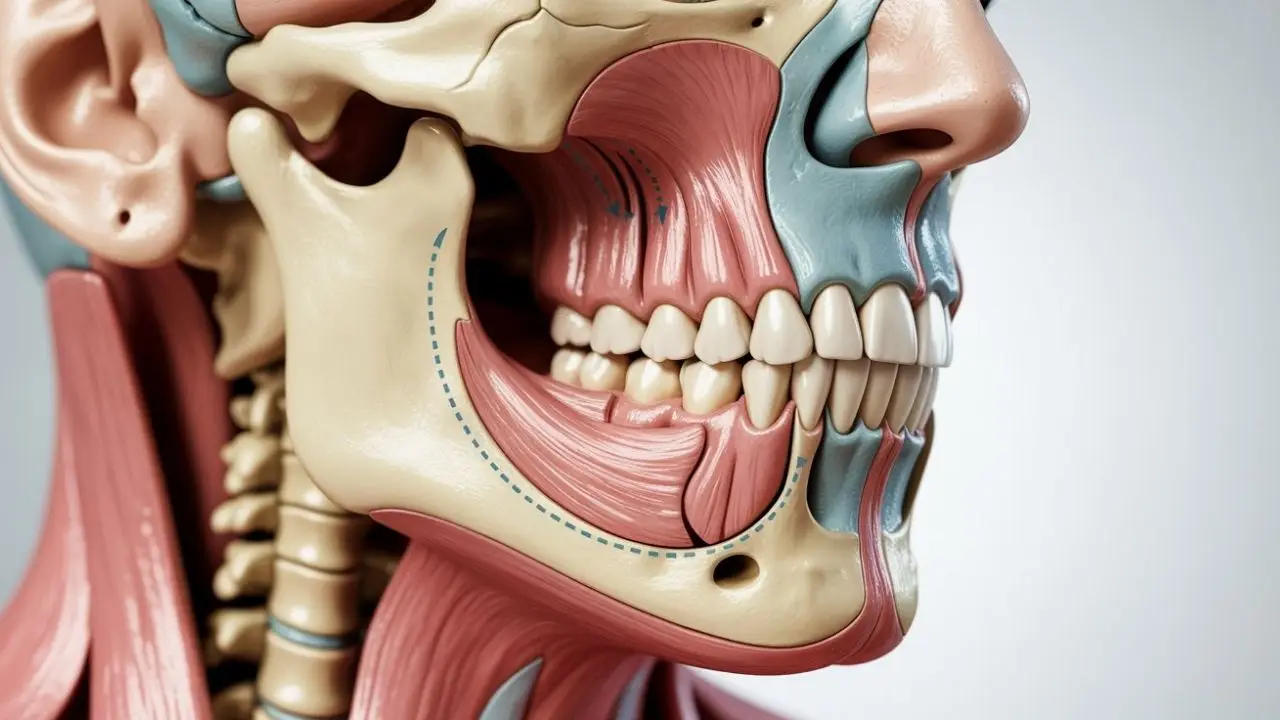
The temporomandibular joint (TMJ) is one of the most complex joints in the human body. It connects the lower jaw (mandible) to the skull and enables essential movements such as speaking, chewing, yawning, and smiling.
Disorders of this joint can cause not only jaw pain but also headaches, ear ringing, facial pain, and even neck problems.
2. Common Symptoms of TMJ Disorders
The most frequent symptoms include:
– Pain and tenderness in the jaw joint
– Clicking, popping, or locking when opening the mouth
– Limited mouth opening
– Ear pain or ringing (tinnitus)
– Frequent headaches, especially in the temples
– Difficulty chewing or facial asymmetry
If these symptoms persist for a long time, professional evaluation is strongly recommended.
3. When Is TMJ Surgery Necessary?
Most TMJ disorders can be managed with conservative treatments such as medication, splints, and physical therapy. Surgery may be considered when:
– There is advanced joint damage
– The disc is displaced or torn
– Ankylosis (joint stiffness) has developed
– Severe pain continues despite 6 months of conservative treatment
– There is permanent limitation in jaw movement
Prof. Dr. Celal Çandırlı has extensive experience in TMJ surgery and offers the most appropriate and least invasive solutions for each patient.
4. Surgical Techniques Used in TMJ Surgery
– **Arthroscopy:** Minimally invasive technique with small incisions for diagnosis and treatment
– **Disc Repair or Repositioning:** Correction of a displaced or damaged disc
– **Joint Replacement:** Artificial joint placement in advanced cases
– **Condylotomy or Condylectomy:** Removal of damaged joint parts (rarely)
– **Combined Orthognathic Surgery:** When jaw position also needs correction
5. The Surgical Process and Recovery
Surgery is usually performed under general anesthesia and takes 1–3 hours. Most patients are discharged the same day or the next day.
– First week: Swelling and mild discomfort are normal
– 2–4 weeks: Return to daily activities
– Full recovery and optimal function: 3–6 months
6. Risks and Success Rates
When performed by experienced surgeons, success rates are high. Possible risks include infection, temporary numbness, or limited jaw movement. These risks are significantly reduced with modern techniques and careful planning.
7. Frequently Asked Questions
Is TMJ surgery painful?
The surgery is done under anesthesia. Post-operative pain is usually mild and well controlled with medication.
Will my jaw lock after surgery?
With the right technique, this risk is very low. In fact, most patients experience improved jaw mobility.
How long is the recovery period?
Most patients return to social life within 2–4 weeks. Full functional recovery may take 3–6 months.
Can TMJ problems be treated without surgery?
Yes. The majority of cases improve with splints, physical therapy, and medication. Surgery is considered only when conservative treatments fail.
8. Conclusion
Temporomandibular joint surgery can significantly improve quality of life in patients with advanced TMJ disorders who do not respond to conservative treatments. With accurate diagnosis, modern techniques, and an experienced surgeon, successful and long-lasting results are achievable.
Prof. Dr. Celal Çandırlı, with over 20 years of experience and advanced training at NHS Poole and Newcastle Freeman Hospital in the UK, offers the latest and safest solutions in TMJ surgery.
If you suffer from jaw pain, clicking, locking, or limited mouth opening, please contact us for a detailed evaluation.
Prof. Dr. Celal Çandırlı
Oral, Maxillofacial & Jaw Surgeon • UK NHS Trained • 20+ Years Experience • 50+ International Publications
This article is for informational purposes only. Treatment decisions should be made only after a thorough clinical examination.