Important Disclaimer: This article is for general informational purposes only. Familial genetic jaw disorders are complex conditions that require individualized treatment planning. Genetic counseling, detailed examination, and a multidisciplinary team approach are essential.
1. What Are Familial Genetic Jaw Disorders?
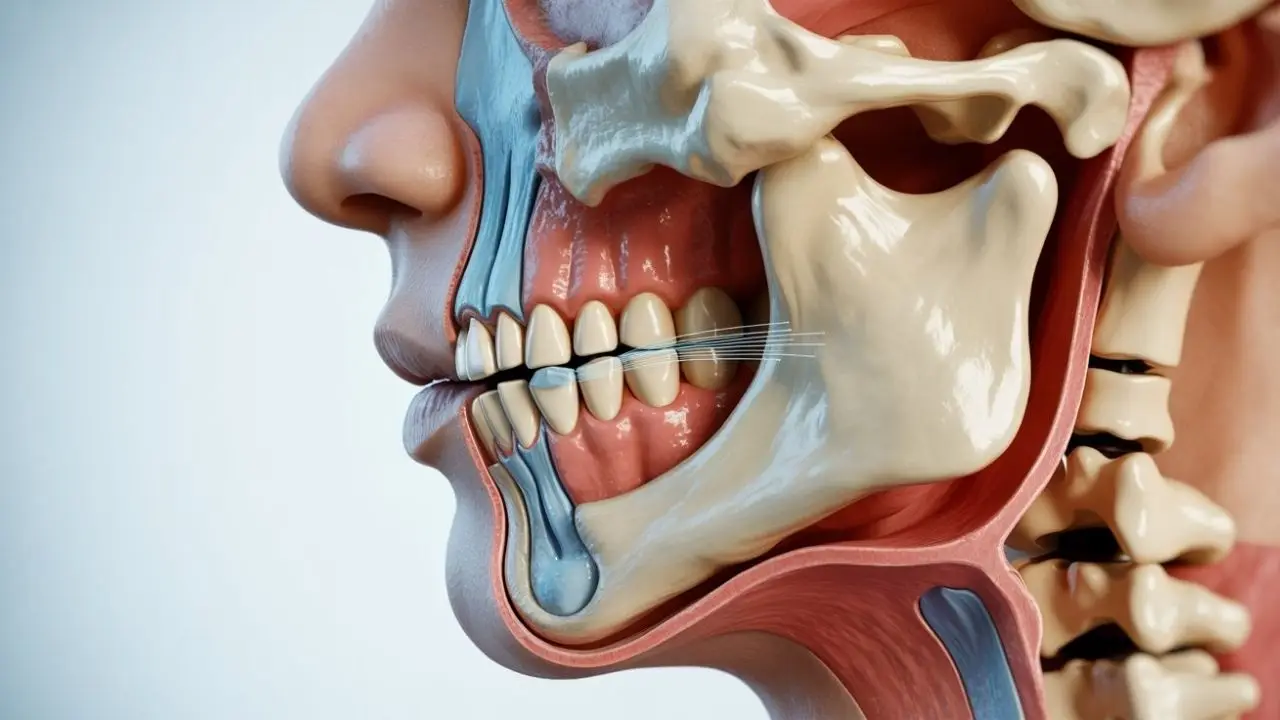
Familial genetic jaw disorders are inherited structural abnormalities that occur during the development of the jaw bones. These conditions often run in families and can affect the upper jaw, lower jaw, or both. They are not only aesthetic concerns but can also impact chewing, speech, breathing, and overall facial harmony.
Prof. Dr. Celal Çandırlı has extensive experience in diagnosing and treating genetically inherited jaw disorders.
2. Most Common Genetic Jaw Disorders
– Retrognathia (receding lower jaw)
– Prognathia (protruding lower jaw)
– Maxillary hypoplasia (underdeveloped upper jaw)
– Hemifacial microsomia (underdevelopment of one side of the face)
– Syndromes such as Apert, Crouzon, and Treacher Collins
– Open bite, deep bite, and crossbite malocclusions
These disorders affect both function and appearance, often requiring early intervention.
3. The Importance of Early Diagnosis in Familial Cases
Early diagnosis in families with a history of jaw disorders can make a significant difference. Interventions during the growth period (childhood and adolescence) can reduce the need for major surgery later in life or make it less complex.
If there is a family history of jaw problems, it is recommended that children undergo regular evaluations by a maxillofacial surgeon starting from age 7–8.
4. Treatment Approaches in Childhood and Adolescence
– Functional orthopedic appliances
– Guided orthodontic treatment
– Growth modification techniques
– Minimally invasive surgical interventions when necessary
Early treatments during the growth phase can significantly improve outcomes and sometimes prevent the need for extensive surgery in adulthood.
5. Treatment Options for Adults with Genetic Jaw Disorders
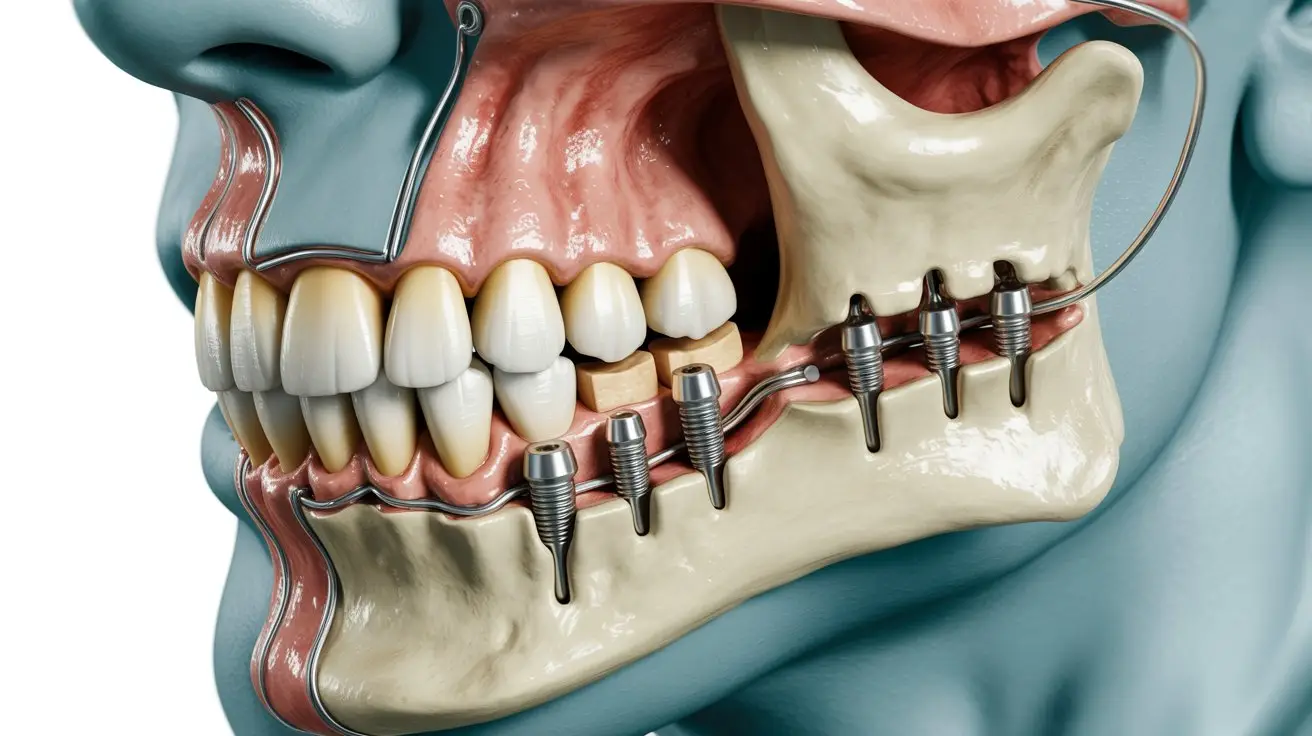
Once facial growth is complete, the most effective treatment is usually **orthognathic surgery**. This procedure repositions the upper and/or lower jaw into the correct position. With advanced 3D digital planning, results are highly predictable and natural.
6. Orthognathic Surgery and Multidisciplinary Approach
Successful treatment of genetic jaw disorders requires a multidisciplinary team including:
– Maxillofacial surgeon
– Orthodontist
– Genetic counselor
– Periodontist and pediatric dentist
– ENT specialist
Prof. Dr. Celal Çandırlı coordinates with a multidisciplinary team to create the most comprehensive treatment plans for complex familial cases.
7. Psychological Support and Genetic Counseling in Familial Cases
Genetic jaw disorders can affect not only the patient but also the entire family psychologically. Therefore, psychological support and genetic counseling are important parts of the treatment process. Patients and their families should be fully informed about the treatment journey, expectations, and possible outcomes.
8. Frequently Asked Questions
Do genetic jaw disorders correct themselves over time?
Mild cases may improve with growth and orthodontic treatment, but severe cases usually require surgery.
If there is a family history, will my child definitely have the same problem?
There is an increased risk. Early screening and monitoring are strongly recommended.
Is orthognathic surgery a permanent solution for genetic jaw disorders?
Yes, when properly planned, the results are permanent.
What is the ideal age for treatment?
The best time is after facial growth is complete (around 17–18 for females, 18–20 for males).
9. Conclusion
Familial genetic jaw disorders can be effectively managed with early diagnosis and a well-coordinated multidisciplinary treatment approach. Both aesthetic and functional improvements are possible, significantly enhancing the patient’s quality of life.
Prof. Dr. Celal Çandırlı, with over 20 years of experience and advanced training at NHS Poole and Newcastle Freeman Hospital in the UK, offers the most up-to-date and effective solutions for genetically inherited jaw disorders.
If you or your family members have a history of jaw structure problems, please contact us for a detailed evaluation, 3D planning, and genetic counseling.
Prof. Dr. Celal Çandırlı
Oral, Maxillofacial & Jaw Surgeon • UK NHS Trained • 20+ Years Experience • 50+ International Publications
This article is for informational purposes only. Treatment decisions should be made only after a thorough clinical examination and genetic counseling.