TMJ Disorders: Symptoms and Treatment Approaches
Temporomandibular joint disorders, often called tmj disorders, affect the jaw joint and surrounding muscles. These conditions can lead to discomfort during everyday activities such as chewing or speaking. This article explains tmj symptoms, possible causes, and general tmj treatment approaches in a clear manner.
Many people experience jaw pain and clicking without realizing the underlying issue. Understanding temporomandibular joint disorders helps individuals recognize when professional evaluation may be useful. The information below offers general awareness rather than personalized advice.
What Are TMJ Disorders?
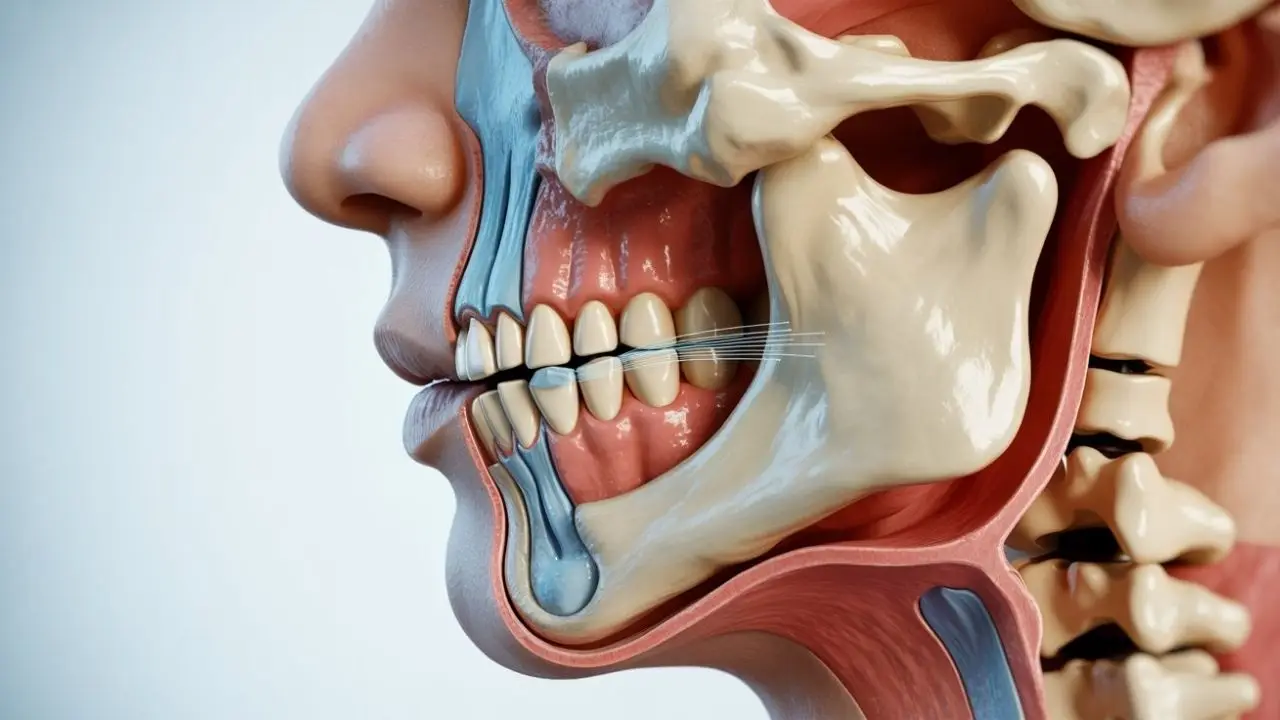
TMJ disorders involve problems with the temporomandibular joint (jaw joint) that connects the lower jaw to the skull. This joint allows movements needed for talking, eating, and yawning. When the joint or associated muscles do not function properly, symptoms may appear gradually or suddenly.
Each case differs based on individual anatomy and habits. Temporomandibular joint disorders are not always linked to a single cause and often require careful assessment through clinical examination and imaging.
Common TMJ Symptoms
People with tmj disorders frequently report several noticeable signs. Jaw pain and clicking rank among the most common complaints. Other symptoms may include limited mouth opening, headaches, or ear-related discomfort.
- Jaw pain that worsens with chewing or yawning
- Clicking or popping sounds when moving the jaw
- Difficulty opening the mouth fully
- Facial muscle tenderness or fatigue
These tmj symptoms can vary in intensity and may come and go. Persistent jaw pain and clicking should prompt a visit to a qualified health professional for proper assessment.
Possible Contributing Factors
Several elements may contribute to the development of tmj disorders. Stress-related teeth grinding, previous jaw injuries, or misalignment of teeth can play roles. Arthritis affecting the joint area is another consideration in some individuals.
Not everyone with these factors develops symptoms. A thorough evaluation helps determine which elements are relevant in each situation.
| Factor | General Description |
|---|---|
| Bruxism | Teeth grinding or clenching that places extra load on the joint |
| Trauma | Direct injury to the jaw or joint area |
| Arthritis | Inflammatory changes within the joint structures |
| Occlusion | Changes in how upper and lower teeth meet |
TMJ Treatment Approaches
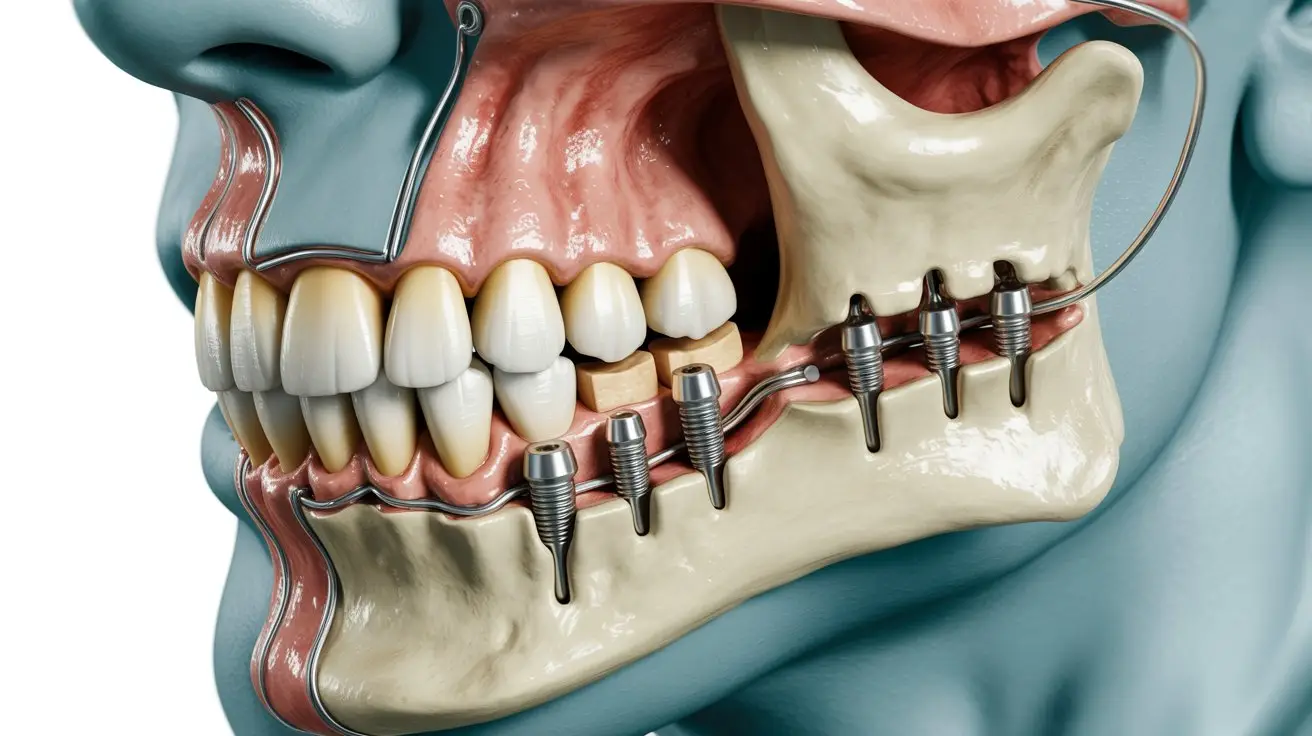
TMJ treatment focuses on relieving symptoms and improving jaw function. Conservative methods are often considered first. These may include lifestyle adjustments, physical therapy exercises, or oral appliances designed to reduce strain.
In some cases, medication for pain or inflammation is discussed. More advanced options such as injections or surgical interventions are evaluated only when necessary and after detailed imaging. The choice of approach depends on the specific findings for each person.
Regular follow-up allows adjustments to the plan as symptoms evolve. No single tmj treatment works universally for everyone.
Sık Sorulan Sorular
Can tmj disorders cause ear pain?
Yes, discomfort around the ears is sometimes reported because the temporomandibular joint lies close to the ear canal. A professional evaluation helps clarify whether the pain originates from the joint or another source.
Is jaw pain and clicking always a sign of tmj disorders?
Jaw pain and clicking can occur for various reasons. Only a clinical examination combined with appropriate imaging can determine if temporomandibular joint disorders are responsible.
What lifestyle changes may help with tmj symptoms?
Soft diet choices, avoiding extreme jaw movements, and stress management techniques are sometimes suggested. These measures are general and should be tailored after professional assessment.
How is tmj treatment usually planned?
Planning begins with a detailed history, physical examination, and imaging when needed. Treatment is then adjusted according to the individual’s findings and response to initial measures.
Do tmj disorders require surgery?
Surgery is considered only in specific situations after conservative options have been explored. Most cases are managed without surgical intervention.
Can tmj symptoms resolve without treatment?
Some mild cases improve with time and simple self-care, yet persistent or worsening tmj symptoms warrant professional attention to rule out other issues.
Sonuç
Temporomandibular joint disorders can affect daily comfort and jaw movement. Recognizing tmj symptoms such as jaw pain and clicking allows individuals to seek timely evaluation. Treatment approaches vary widely, and decisions should always follow personal clinical assessment rather than general information alone.
Uzman Bilgisi
This content is prepared for informational purposes in the field of oral, dental and maxillofacial surgery. Prof. Dr. Celal Çandırlı’s over 20 years of professional experience and training at England NHS Poole Hospital and Newcastle Freeman Hospital contribute to addressing the topic within a scientific and clinical framework.
This content is for general informational purposes only; it does not replace diagnosis or treatment. For complaints related to oral, dental and jaw health, you should consult your dentist or relevant specialist health professional.