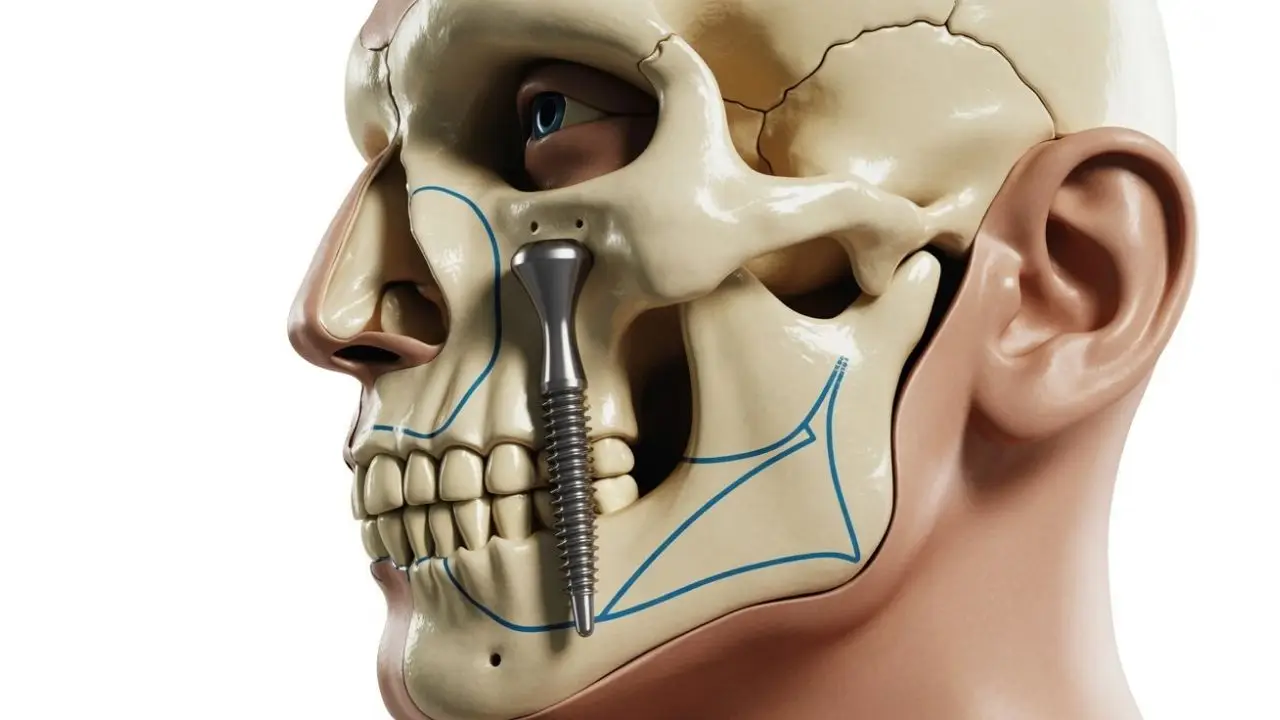
Advantages of Facial Implants
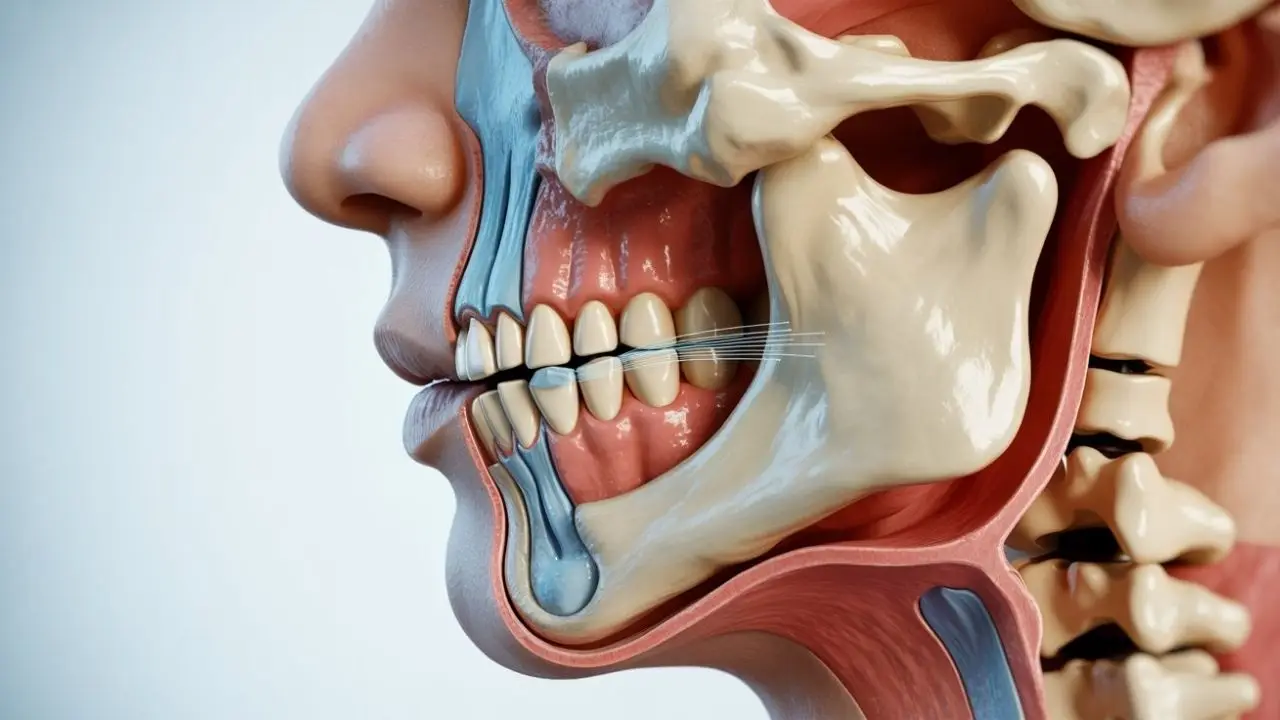
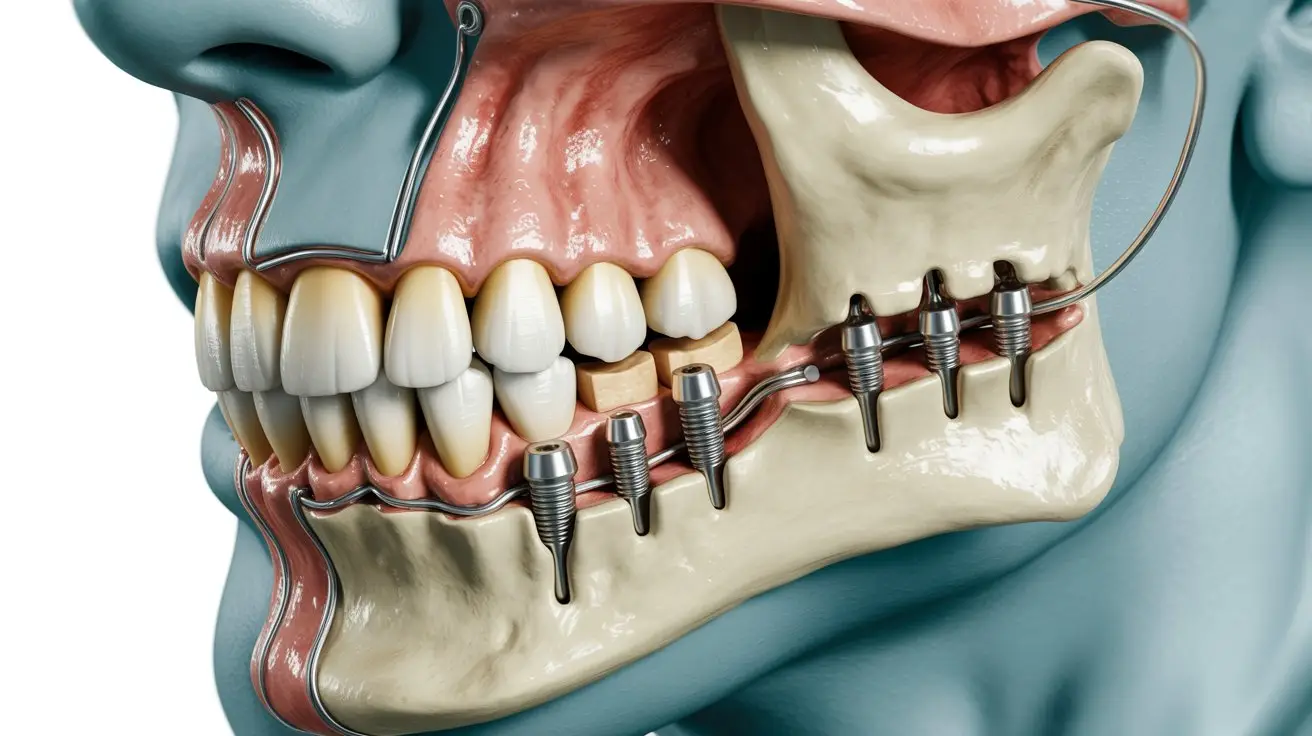
Facial implants offer a reliable option in cases requiring structural support for the jaw and facial bones. These implants are often considered when bone loss or trauma affects the facial skeleton and conventional methods may not suffice.
The biocompatible material used in titanium implants integrates well with living bone tissue. This property supports stability during jaw reconstruction procedures and reduces the likelihood of rejection in suitable candidates.
This article explains the general advantages of titanium facial implants, their material characteristics, and points to consider before any treatment decision.
What Makes Titanium a Preferred Material for Facial Implants
Titanium is known for its strength-to-weight ratio and resistance to corrosion inside the body. These features allow titanium facial implants to maintain form over time while remaining lightweight for the patient.
Because titanium bonds directly with bone through a process called osseointegration, the implant can provide lasting anchorage. This characteristic is especially relevant in jaw reconstruction where chewing forces are significant.
Comparison of Common Facial Implant Types
| Implant Type | General Characteristics | Typical Use Areas |
|---|---|---|
| Titanium | High biocompatibility, strong integration with bone | Jaw reconstruction, orbital rim, zygomatic area |
| PEEK | Lightweight polymer, radiolucent on imaging | Non-load bearing facial contours |
| Medpor | Porous polyethylene, allows tissue ingrowth | Cheek and chin augmentation |
Key Advantages in Clinical Practice
- Strong mechanical support for load-bearing regions such as the mandible
- Low rate of inflammatory reaction when properly placed
- Compatibility with imaging techniques for follow-up assessments
- Ability to be custom-shaped using preoperative planning software
Considerations Before Choosing Titanium Facial Implants
Patient-specific factors including bone quality, medical history, and smoking status can influence suitability. A thorough clinical examination and three-dimensional imaging are required to evaluate whether titanium facial implants represent an appropriate approach.
Alternative reconstructive options such as autogenous bone grafts or other synthetic materials may be discussed depending on the individual case.
Sık Sorulan Sorular
Are titanium facial implants suitable for everyone?
Titanium facial implants are not appropriate for every patient. Suitability depends on bone volume, general health status, and the specific area requiring reconstruction.
How does titanium compare with other implant materials?
Titanium provides superior strength and osseointegration compared with many polymers, yet the final choice is made after evaluating the patient’s anatomy and functional needs.
Can titanium implants be used in jaw reconstruction?
Yes, titanium implants are frequently considered in jaw reconstruction because they withstand masticatory forces and integrate with remaining bone.
What imaging is needed before titanium implant placement?
Computed tomography or cone-beam computed tomography scans are commonly used to assess bone dimensions and plan implant positioning.
Is titanium considered a biocompatible material?
Titanium is widely recognized as a biocompatible material that supports bone attachment with minimal adverse tissue response in most individuals.
Can titanium facial implants be removed later if necessary?
Removal is possible but requires another surgical procedure. Decisions about removal are made on a case-by-case basis after clinical evaluation.
Conclusion
Titanium facial implants represent one reconstructive option for patients with facial bone deficiencies. Their mechanical properties and tissue compatibility make them valuable in selected cases of jaw reconstruction. Individual assessment by a qualified specialist remains essential to determine the most suitable approach.
Specialist Information
This content is prepared for general informational purposes in the field of oral, dental and maxillofacial surgery. Prof. Dr. Celal Çandırlı’s more than 20 years of professional experience and training at England NHS Poole Hospital and Newcastle Freeman Hospital contribute to the scientific and clinical perspective presented.
This content is for general informational purposes only and does not replace diagnosis or treatment. Consult a dentist or appropriate specialist for any oral, dental or maxillofacial concerns.