Key Advantages of Immediate Loading Zygomatic Implants
Immediate loading zygomatic implant is a specialized dental implant approach that may be considered when there is significant bone loss in the upper jaw. This method uses the zygoma bone for support and can allow prosthetic teeth to be placed sooner than some traditional options.
Patients often seek information about fast treatment alternatives in complex cases. Understanding the general features of zygomatic implant procedures helps individuals discuss options with their healthcare provider during a personal evaluation.
What Is an Immediate Loading Zygomatic Implant?
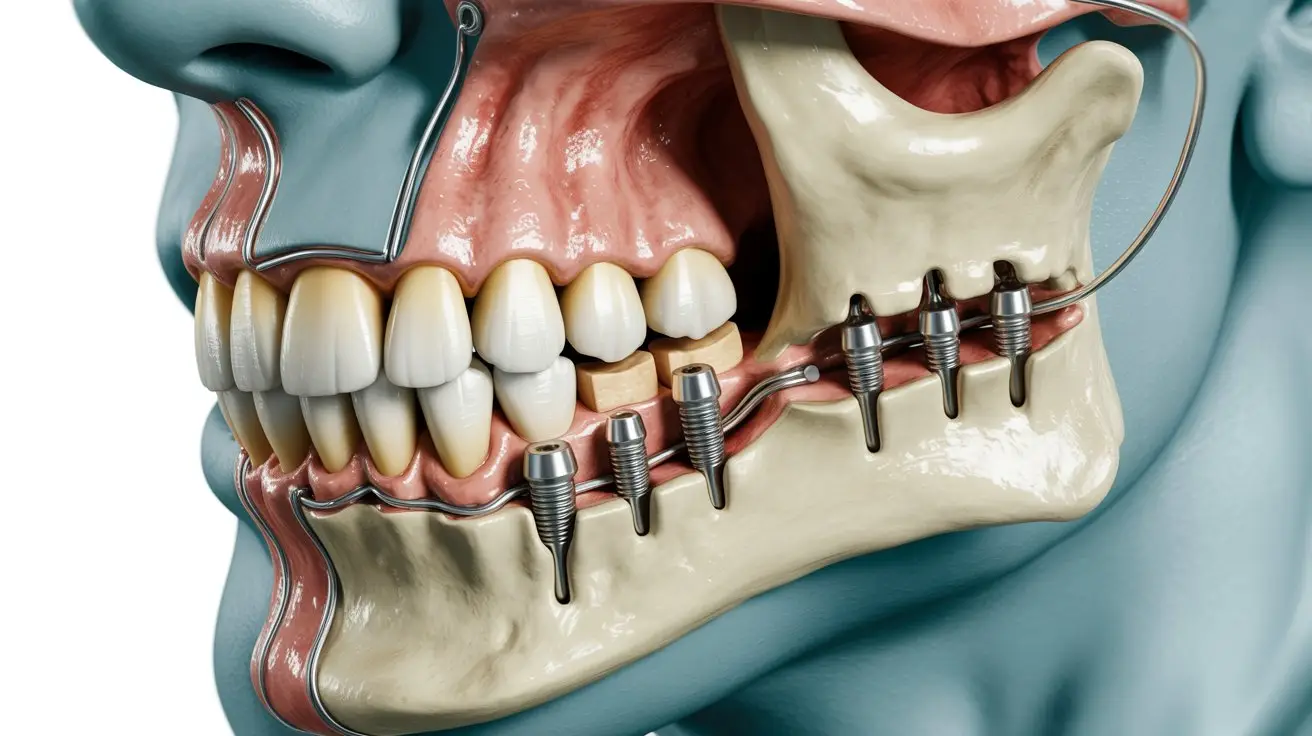
A zygomatic implant, also known as a zygoma implant, is anchored in the cheekbone rather than the upper jawbone. When immediate loading is applied, a temporary prosthesis may be attached on the same day or shortly after surgery in suitable cases.
This differs from conventional dental implant methods that often require longer healing periods before loading. The approach can support faster functional recovery for eligible patients.
Potential Benefits in Suitable Cases
Immediate loading zygomatic implant techniques may reduce overall treatment time compared to staged procedures. Fewer surgical interventions can sometimes be planned when bone grafting is avoided.
- Support for quicker return to chewing and speaking functions
- Reduced need for extensive bone grafting in advanced atrophy
- Single-stage surgery possibility in selected patients
- Improved stability from zygoma bone anchorage
General Considerations Before Treatment
Evaluation includes three-dimensional imaging and clinical examination to assess bone quality and overall health. Not every patient will be a candidate for immediate loading.
| Aspect | General Information |
|---|---|
| Healing Timeline | May allow earlier prosthesis placement in appropriate cases |
| Bone Requirements | Relies on zygoma bone when upper jaw support is limited |
| Procedure Steps | Assessment, planning, surgery and loading coordinated together |
| Follow-up | Regular monitoring supports long-term outcomes |
Possible Limitations and Risks
As with any surgical intervention, complications such as infection, sinus issues or implant failure remain possible. Individual healing responses vary and cannot be predicted with certainty.
Alternative treatments like conventional dental implant with bone grafting or removable prostheses may also be discussed during consultation.
Frequently Asked Questions
Is immediate loading suitable for every zygomatic implant case?
Immediate loading is not appropriate for all patients. Suitability depends on bone quality, implant stability achieved during surgery and the individual’s medical status.
How does zygomatic implant differ from standard dental implant?
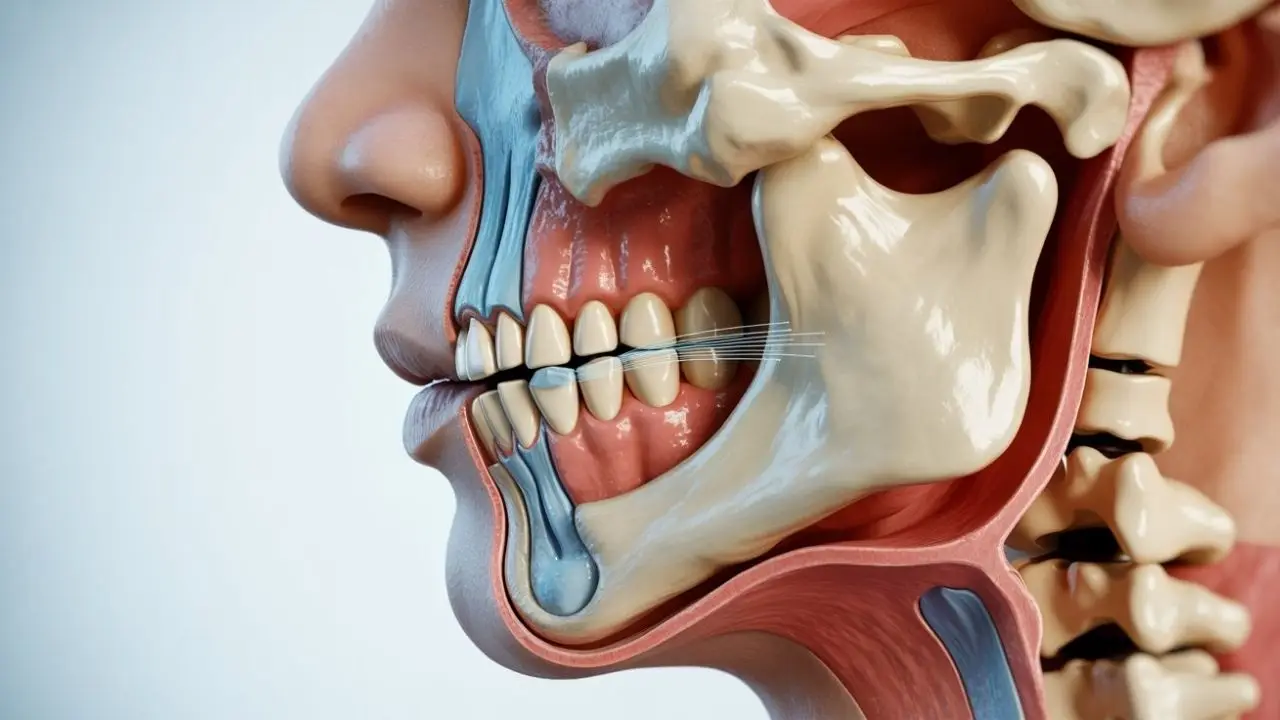
Standard dental implants are placed in the jawbone, whereas zygomatic implants engage the zygoma bone. This can provide an option when jawbone volume is insufficient.
Can fast treatment be expected with immediate loading?
Immediate loading may shorten the time to functional teeth in selected cases, yet final prosthetic outcomes still require proper healing and adjustments.
What preparation is needed before zygoma implant surgery?
Comprehensive imaging, medical history review and oral examination are typically performed to determine whether the approach is feasible.
Are there lifestyle factors that affect recovery?
Smoking, uncontrolled diabetes and poor oral hygiene can influence healing. Patients receive personalized instructions based on their situation.
Does immediate loading eliminate all follow-up visits?
Regular professional check-ups remain important to monitor implant health and prosthetic function over time.
Conclusion
Immediate loading zygomatic implant can offer a pathway for faster functional restoration in certain patients with advanced upper jaw bone loss. Final decisions require individualized assessment including imaging and clinical evaluation by a qualified professional.
Expert Information
This content is prepared for informational purposes in the field of oral, dental and maxillofacial surgery. Prof. Dr. Celal Çandırlı’s over 20 years of professional experience, education at England NHS Poole Hospital and Newcastle Freeman Hospital, contributes to addressing the topic within a scientific and clinical framework.
This content is for general informational purposes only and does not replace diagnosis or treatment. For complaints related to oral, dental and jaw health, consult your dentist or relevant specialist healthcare professional.