How Is 3D Planning Done Before Orthognathic Surgery?
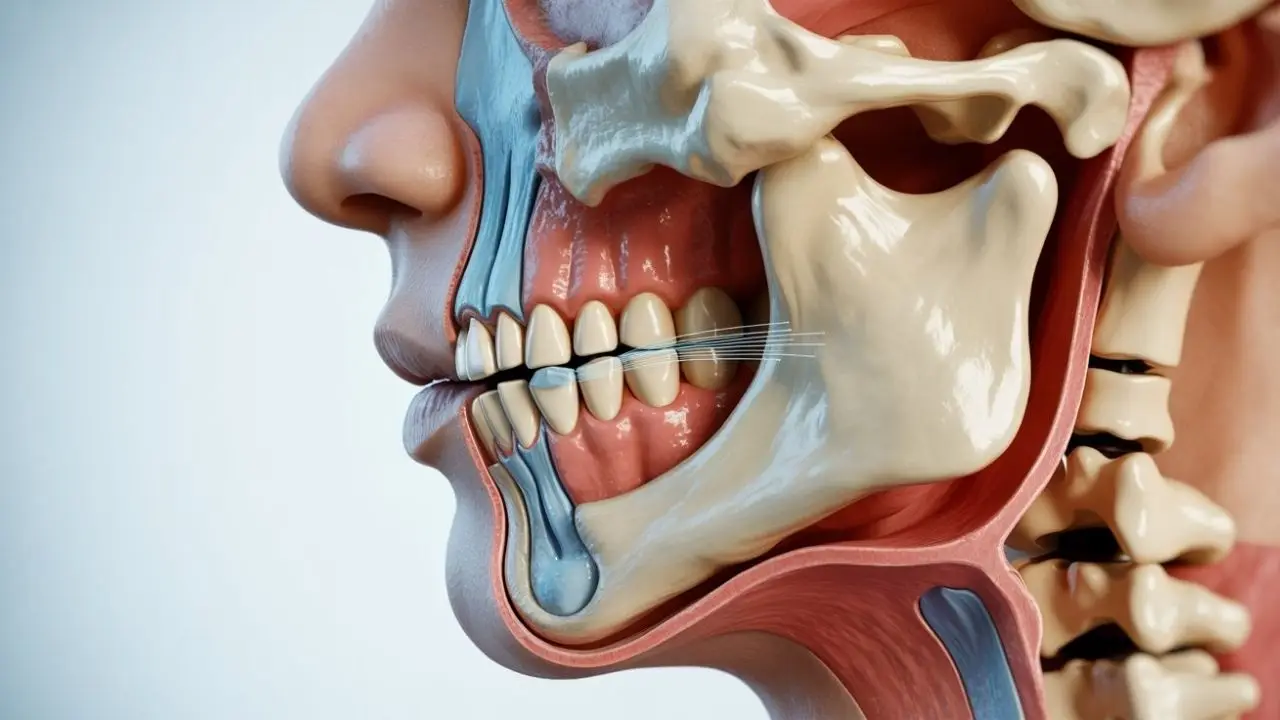
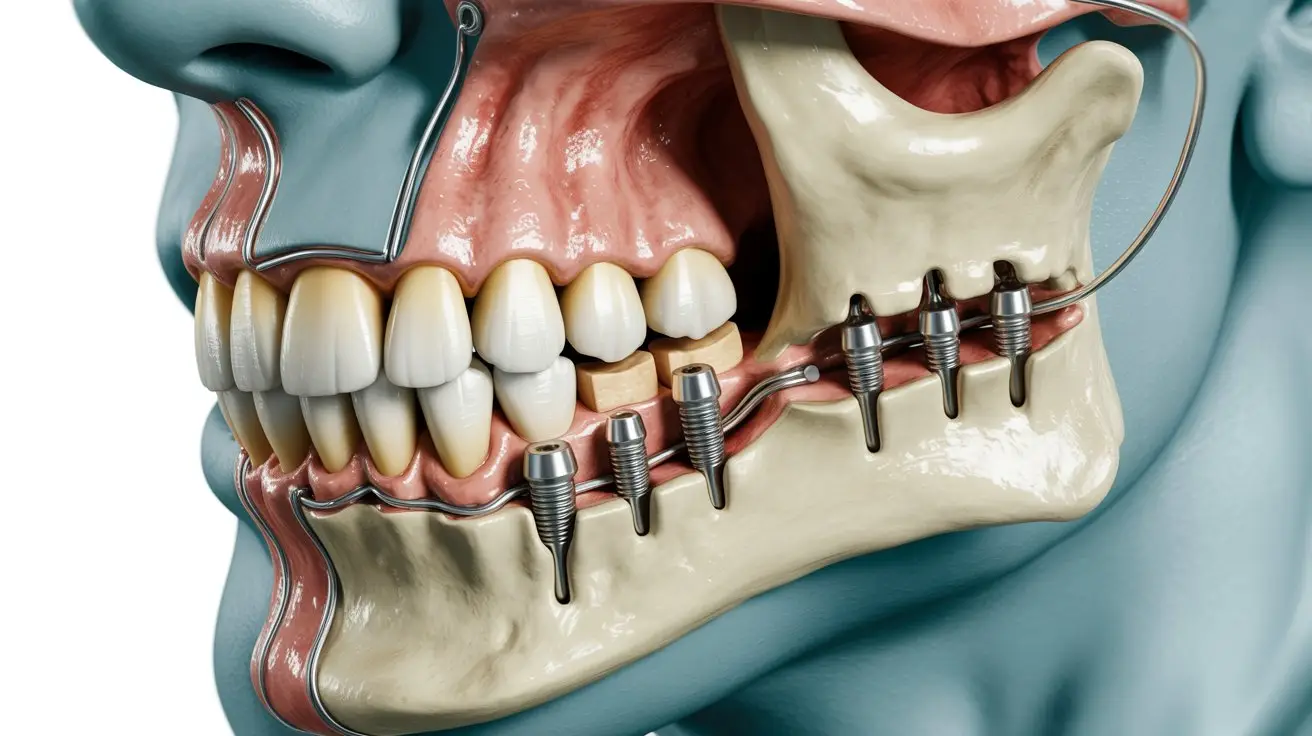
Orthognathic surgery 3d planning uses advanced digital tools to prepare for jaw correction surgery. This approach allows surgeons to analyze facial structures in detail before any procedure begins.
Patients often wonder about the steps involved in digital jaw surgery preparation. The process combines imaging, software analysis and simulation to create a personalized treatment roadmap.
What Does Orthognathic Surgery 3D Planning Involve?
Orthognathic surgery 3d planning starts with high-resolution cone-beam computed tomography scans. These images capture the bones, teeth and surrounding tissues in three dimensions.
Specialized software converts the scans into virtual models. Surgeons can then measure jaw positions, angles and asymmetries accurately.
Key Steps in Jaw Correction Surgery Prep
- Collection of 3D imaging data from CT or CBCT scans
- Digital alignment of upper and lower jaws using planning software
- Simulation of bone movements and final facial appearance
- Creation of surgical guides and splints from the virtual plan
- Review of airway space and soft tissue changes
Role of Digital Jaw Surgery Tools
Digital jaw surgery platforms help visualize different surgical options. They allow comparison of outcomes without performing actual surgery.
These tools also support communication between the surgical team and other specialists such as orthodontists.
| Stage | General Description |
|---|---|
| Imaging | Three-dimensional scans capture bone and tooth positions. |
| Segmentation | Software separates jaws, teeth and soft tissues for analysis. |
| Simulation | Virtual movements are tested to predict results. |
| Guide Design | Custom surgical splints are printed from the digital plan. |
Orthognathic Surgery Process and Patient Evaluation
Before finalizing any plan, the orthognathic surgery process requires clinical examination and dental records. This ensures the 3d jaw planning matches the patient’s actual anatomy.
Individual factors such as bite relationship, facial proportions and medical history influence the final surgical design.
Frequently Asked Questions
How accurate is orthognathic surgery 3d planning?
Accuracy depends on imaging quality and software precision. Final results still require clinical judgment during surgery.
Is radiation exposure a concern during 3D planning?
Modern cone-beam scans use lower radiation than traditional CT. Your doctor will decide if the scan is necessary based on your situation.
Can 3d planning replace physical models?
Digital models often replace plaster casts, yet some cases still benefit from printed prototypes for verification.
How long does the planning phase take?
Preparation usually requires several weeks. Time varies according to case complexity and the need for additional orthodontic work.
Does every patient need orthognathic surgery 3d planning?
Not every case requires full digital simulation. Simpler movements may be planned with conventional methods after careful evaluation.
What happens if the plan needs adjustment?
Surgeons can modify the digital plan before the operation. Intraoperative changes remain possible if unexpected findings occur.
Conclusion
Orthognathic surgery 3d planning provides a detailed preview of jaw movements and expected facial changes. Personal examination and imaging remain essential to determine whether this approach fits an individual’s needs.
Expert Information
This content has been prepared for general informational purposes in the field of oral, dental and maxillofacial surgery. Prof. Dr. Celal Çandırlı’s more than 20 years of professional experience and training at England NHS Poole Hospital and Newcastle Freeman Hospital contribute to the scientific and clinical framing of the topic.
This content is for general informational purposes only and does not replace diagnosis or treatment. For complaints related to oral, dental and jaw health, consult your dentist or relevant specialist healthcare professional.