Nutrition Guidelines After Orthognathic Surgery
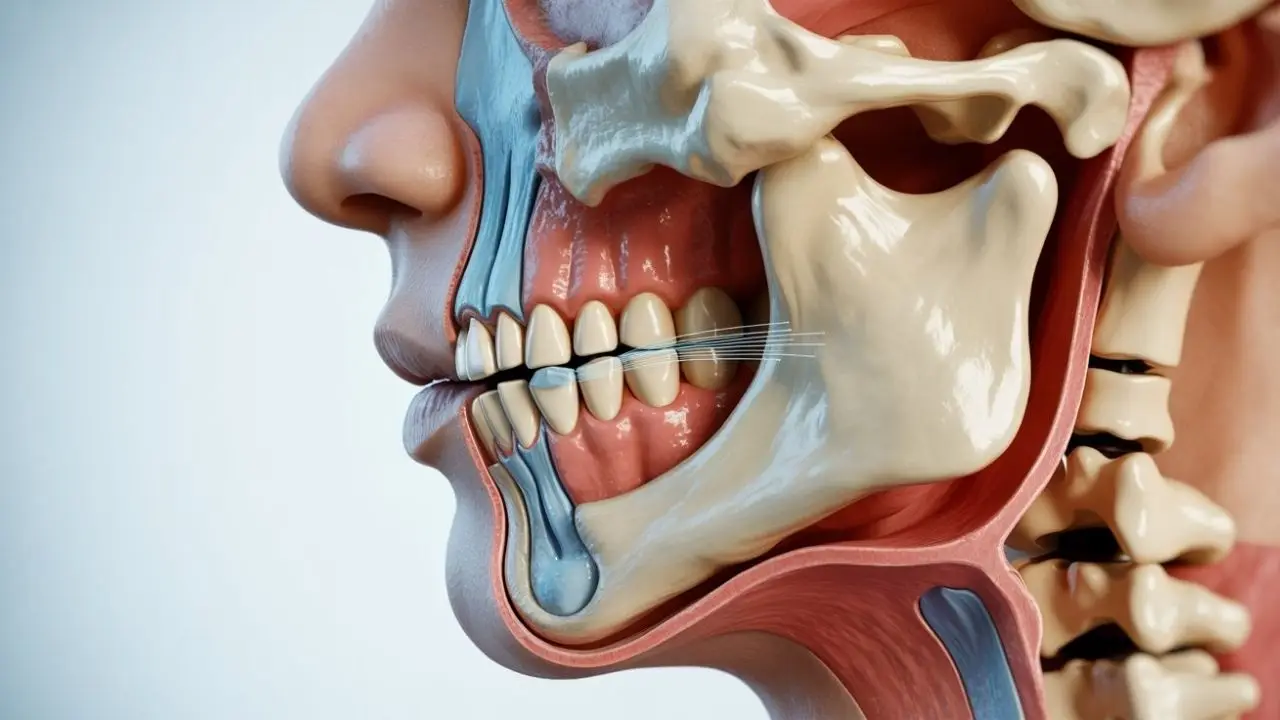
Orthognathic surgery nutrition supports healing and comfort during recovery from jaw surgery. Proper intake helps maintain strength while the jaws are healing and limited in function.
Recovery nutrition focuses on easy-to-consume foods that supply protein, vitamins, and minerals without requiring heavy chewing. Each patient’s needs vary, so personal medical advice remains essential.
This article outlines general dietary stages, suitable foods, and practical tips related to liquid diet after surgery and beyond.
Why Nutrition Matters After Orthognathic Surgery
Orthognathic surgery can temporarily restrict jaw movement and chewing ability. Adequate calories and nutrients help reduce fatigue and support tissue repair.
Protein and micronutrients such as vitamin C, zinc, and calcium contribute to wound healing. Dehydration is a common risk, so fluid intake must be monitored carefully.
Stages of Diet After Jaw Surgery
Most recovery plans progress through phases that match healing stages. The timeline differs for each individual and should be confirmed with the surgical team.
| Stage | General Description |
|---|---|
| Liquid phase | Only thin liquids and nutritional supplements for the first days or weeks. |
| Pureed phase | Smooth, spoonable foods without chunks once swelling decreases. |
| Soft food phase | Easy-to-chew items introduced gradually as comfort improves. |
| Normal diet | Return to regular textures only after clearance from the surgeon. |
Recommended Foods and Nutrients
- Protein shakes, milk, yogurt drinks, and fortified smoothies
- Blended soups, broths, and pureed vegetables for vitamins
- Nutritional supplements prescribed or suggested by the care team
- Soft fruits like mashed banana or applesauce for natural sugars
Foods to Avoid During Early Recovery
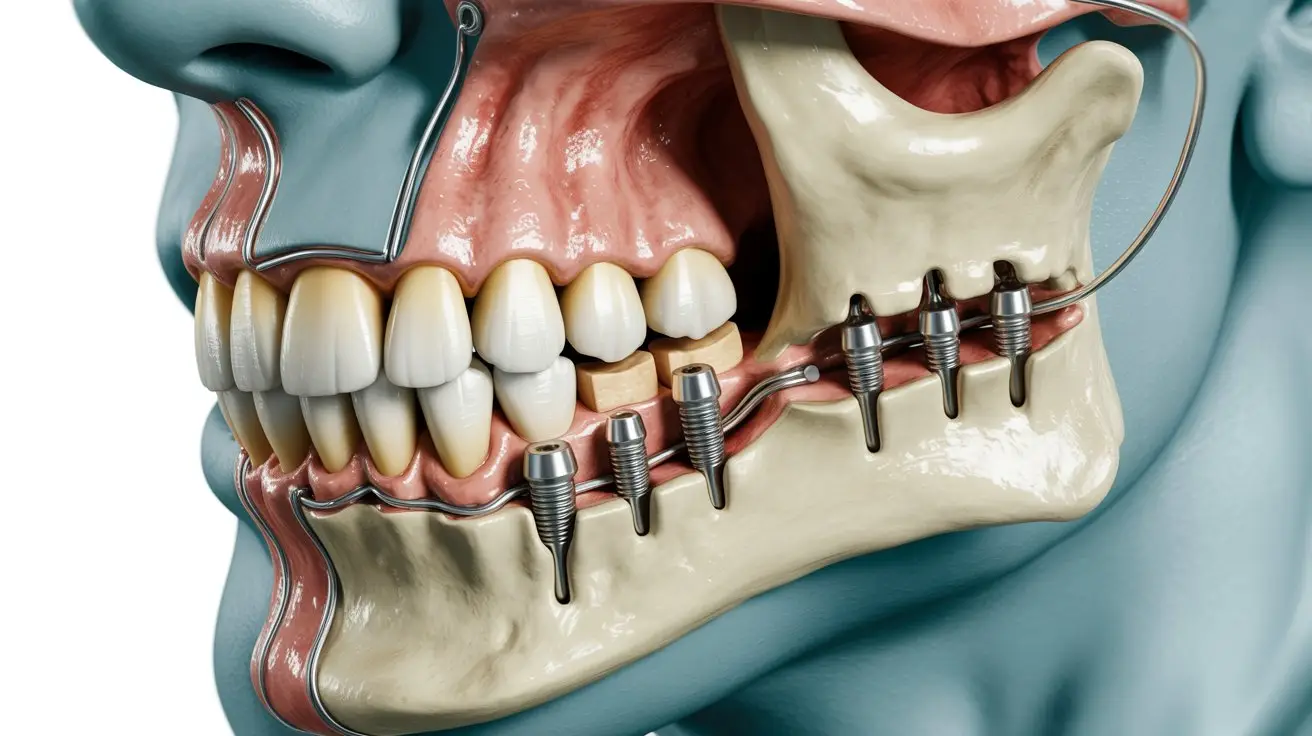
- Hard, crunchy, or sticky items that could damage fixation hardware
- Seeds, nuts, or grains that may lodge in surgical sites
- Spicy or acidic foods that might irritate healing tissues
- Alcohol and carbonated drinks until cleared by the surgeon
Practical Tips for Managing Intake
Small, frequent meals help maintain energy when appetite is reduced. Using a straw or syringe can assist with liquid intake if mouth opening is limited.
Keeping a food diary allows tracking of protein and fluid goals. Regular follow-up appointments help adjust the plan according to progress.
Frequently Asked Questions
How long does the liquid diet after orthognathic surgery usually last?
The liquid phase commonly continues for one to three weeks, but exact duration depends on individual healing and surgical details.
Can protein shakes replace regular meals after jaw surgery?
Protein shakes can supplement intake but should be combined with other nutrient sources when possible; a balanced plan is determined by the care team.
What nutrients are most important in recovery nutrition?
Protein, vitamin C, zinc, and adequate fluids support tissue repair; specific requirements vary and are assessed individually.
Is it safe to use a straw after orthognathic surgery?
Many patients use straws for liquids, yet some surgeons advise against them initially; follow the specific postoperative instructions provided.
When can solid foods be reintroduced?
Solid textures are typically added only after clinical evaluation confirms sufficient healing, often several weeks post-surgery.
Does orthognathic surgery nutrition differ for each patient?
Yes, factors such as age, overall health, and surgical extent influence dietary recommendations; personal assessment is required.
Conclusion
Orthognathic surgery nutrition focuses on easy, nutrient-dense intake that matches each recovery stage. Regular monitoring and adjustments help support healing while minimizing discomfort. Consultation with the surgical team ensures the plan fits individual needs.
Expert Information
This content has been prepared for informational purposes in the field of oral, dental and maxillofacial surgery. Prof. Dr. Celal Çandırlı’s over 20 years of professional experience and his training at England NHS Poole Hospital and Newcastle Freeman Hospital contribute to addressing the topic within a scientific and clinical framework.
This content is for general informational purposes only and does not replace professional medical advice, diagnosis, or treatment. Always consult a qualified healthcare provider for personal health concerns.