When to Consider Pterygoid Implants for Severe Upper Jaw Bone Loss
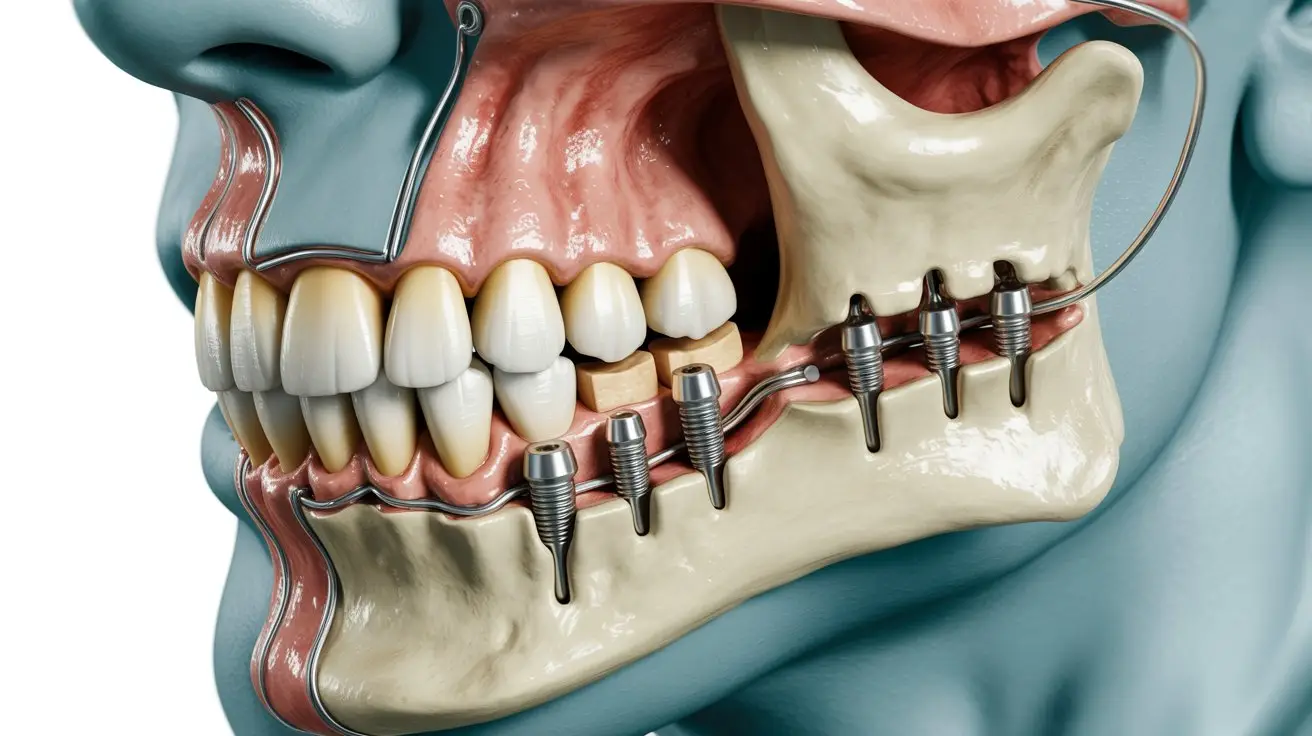
Pterygoid implant offers an alternative approach for patients who experience significant bone loss in the upper jaw and cannot receive standard implants. This method uses the pterygoid bone at the back of the maxilla for anchorage, providing support where conventional placement is not possible.
Severe bone loss often occurs after long-term tooth loss, trauma, or certain medical conditions. In such situations, additional procedures like bone grafting may be needed or sometimes avoided altogether with specialized implant techniques.
This article explains when a pterygoid implant may be evaluated, how it differs from other options such as the zygomatic implant, and what general factors influence suitability.
What Is a Pterygoid Implant?
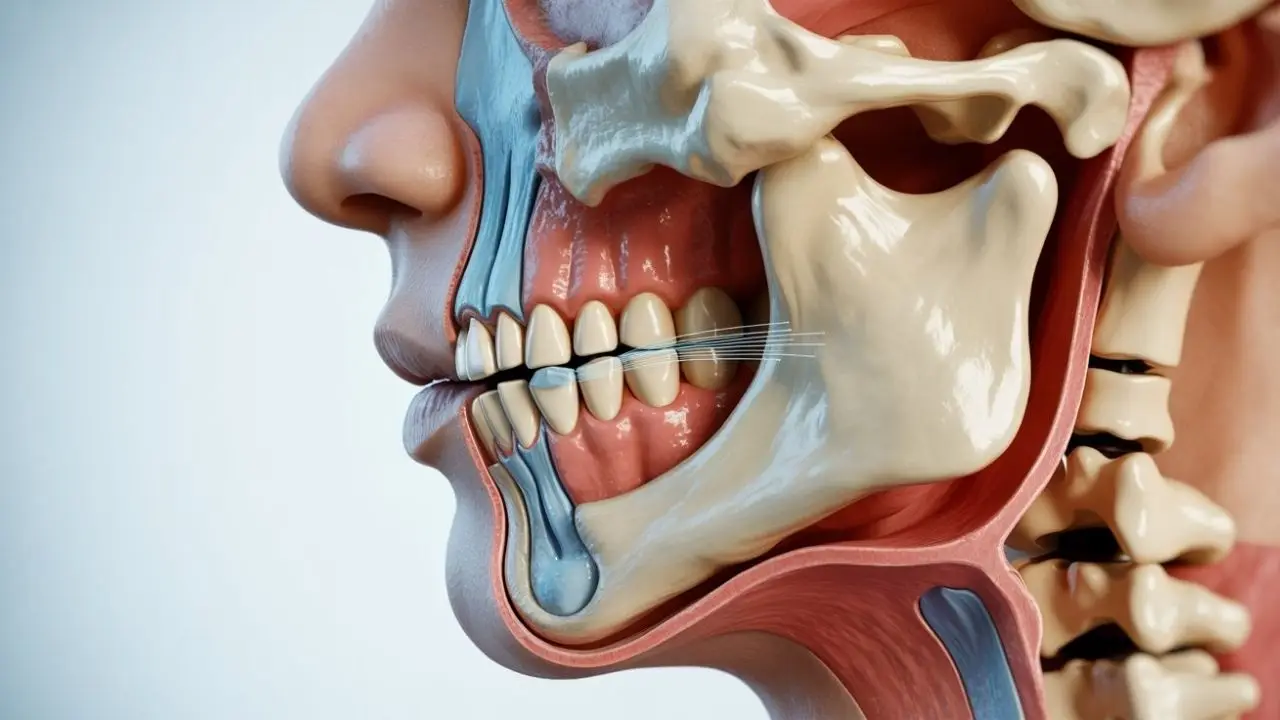
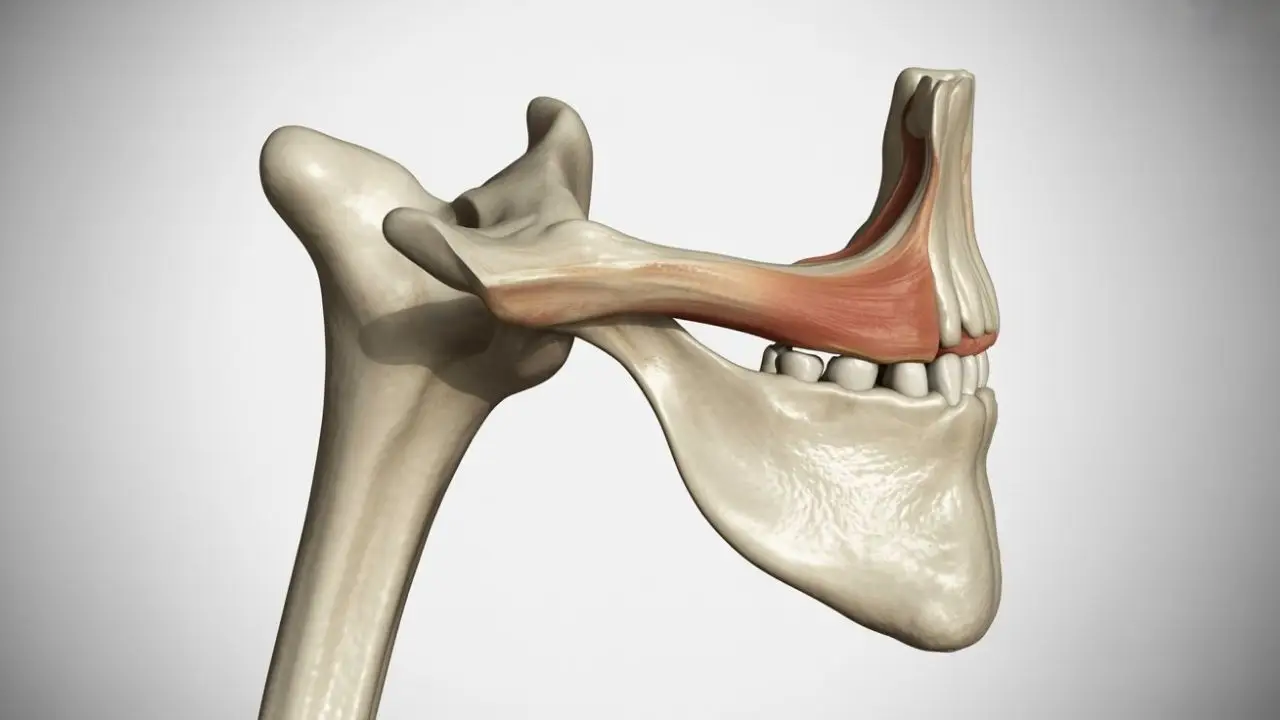
A pterygoid implant is placed in the dense pterygoid process of the sphenoid bone. It serves as a bone loss implant solution for the posterior maxilla when the alveolar bone (the bone that normally supports teeth) has resorbed extensively.
The technique avoids the need for extensive grafting in many cases and can be combined with other implants for full-arch rehabilitation.
When Might Pterygoid Implants Be Evaluated?
Clinicians may consider this approach in the following general situations:
- Advanced resorption of the posterior upper jaw that prevents standard implant placement
- Previous failed bone grafts or unwillingness to undergo grafting procedures
- Need for immediate loading protocols in severely atrophic maxilla
- Patients seeking a zygomatic implant alternative when anatomy allows pterygoid anchorage
Each case requires three-dimensional imaging and thorough clinical assessment to determine feasibility.
Comparison With Other Implant Options
| Feature | Pterygoid Implant | Zygomatic Implant | Standard Implant with Graft |
|---|---|---|---|
| Bone Anchorage | Pterygoid process | Zygomatic bone | Augmented alveolar bone |
| Grafting Need | Often avoided | Often avoided | Usually required |
| Surgical Complexity | Moderate | Higher | Variable |
| Upper Jaw Suitability | Posterior maxilla | Full maxilla | Depends on graft success |
General Considerations Before Treatment
Before any upper jaw implant plan is finalized, factors such as overall health, sinus anatomy, and bite relationship are reviewed. Pterygoid implants carry specific surgical risks that must be weighed against potential benefits.
Healing times and prosthetic loading protocols vary according to individual bone quality and the overall treatment design.
Possible Limitations and Alternatives
Not every patient with bone loss is a candidate for pterygoid implants. Severe sinus pathology, certain systemic diseases, or insufficient pterygoid bone volume may lead clinicians to recommend other solutions such as zygomatic implants or staged grafting procedures.
Personal evaluation remains essential to identify the most appropriate path.
Frequently Asked Questions
Is a pterygoid implant suitable for everyone with upper jaw bone loss?
No. Suitability depends on remaining bone volume, sinus health, and overall medical status. Only detailed imaging and examination can clarify whether this option fits a particular situation.
How does a pterygoid implant differ from a zygomatic implant?
While both address severe bone loss without grafting, pterygoid implants anchor in the pterygoid process whereas zygomatic implants use the cheekbone. The choice depends on individual anatomy.
Can pterygoid implants be used as a zygomatic implant alternative?
In selected cases they may serve as an alternative when zygomatic placement is less favorable due to anatomical or surgical considerations.
What is the typical recovery period after pterygoid implant surgery?
Recovery varies, but most patients experience initial swelling and discomfort for one to two weeks. Full integration may take several months before final prosthetics are placed.
Are there risks specific to pterygoid implants?
Like any surgical procedure, risks include infection, nerve involvement, or implant failure. These possibilities are discussed during consultation based on individual findings.
Is bone grafting still needed with a pterygoid implant?
Often grafting can be avoided, but some patients may still require minor augmentation depending on the overall plan and remaining bone quality.
Conclusion
Pterygoid implants represent one option among several for managing severe upper jaw bone loss. Their appropriateness is determined only after comprehensive clinical and radiographic evaluation. Patients should consult a qualified specialist to explore all available approaches tailored to their specific condition.
Expert Information
This content is prepared for general informational purposes in the field of oral and maxillofacial surgery. Prof. Dr. Celal Çandırlı’s more than 20 years of professional experience and training at England’s NHS Poole Hospital and Newcastle Freeman Hospital contribute to the scientific and clinical perspective presented.
This content is for general information only and does not replace professional medical advice. Anyone experiencing oral or jaw issues should consult a qualified dentist or specialist.