Comparing Silastic and Medpor Implants in Facial Reconstruction
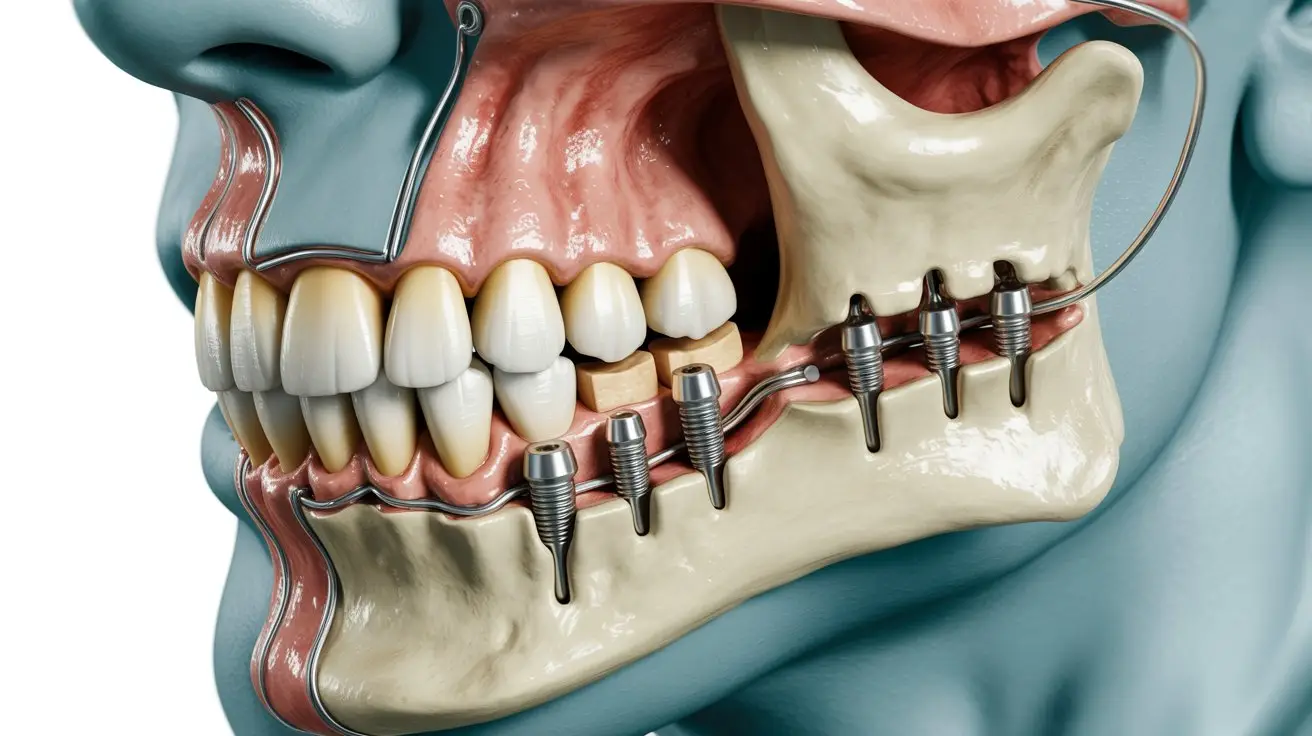
Silastic and Medpor implants are two materials often discussed in facial reconstruction procedures. These options may be considered when restoring facial contours or addressing structural deficiencies after trauma, congenital conditions or tumor removal.
Each material has distinct properties that can influence the choice during surgical planning. The decision typically depends on individual anatomy, the location of the defect and the surgeon’s assessment of long-term behavior.
What Are Silastic Implants?
Silastic is a form of medical-grade silicone. It is soft, flexible and relatively easy to shape during surgery. This material has been used for many years in facial augmentation because it can be contoured to fit various areas such as the chin, cheeks or jawline.
What Are Medpor Implants?
Medpor is a porous polyethylene material. Its structure allows surrounding tissue to grow into the pores, which may help with stabilization over time. Medpor is rigid compared with silicone and is sometimes chosen for areas that require more structural support.
Key Differences Between the Two Materials
| Feature | Silastic | Medpor |
|---|---|---|
| Flexibility | High | Low |
| Tissue integration | Limited | Possible through pores |
| Shape retention | Good for soft contours | Better for rigid support |
| Removal difficulty | Generally easier | May be more complex |
When Each Material May Be Considered
- Silastic may suit cases needing subtle volume or easy adjustment.
- Medpor may be evaluated when stronger structural support or tissue ingrowth is desired.
- Both options require careful evaluation of the patient’s bone quality and soft-tissue coverage.
General Considerations Before Surgery
Preoperative imaging and clinical examination help determine suitability. Factors such as infection risk, previous surgeries and overall health status are reviewed. No single material is appropriate for every situation.
Postoperative Care Points
- Follow the surgeon’s instructions regarding activity restrictions.
- Monitor the surgical site for signs of infection or displacement.
- Attend scheduled follow-up visits for assessment of healing.
Sık Sorulan Sorular
Can silastic or medpor implants be used in any facial area?
Both materials have been used in various facial sites, yet suitability depends on the specific defect, soft-tissue thickness and individual anatomy.
Is one material always better than the other?
Neither material is universally superior. The choice is made after evaluating clinical findings and the goals of reconstruction.
How long do these implants typically last?
Longevity varies. Some patients retain the implants for many years while others may require revision due to complications or changes in facial structure.
Can the implants be removed later if needed?
Removal is possible in most cases, although the ease of removal can differ between silastic and medpor depending on tissue integration.
Are there risks common to both materials?
Infection, displacement, asymmetry and need for revision are potential concerns with any facial implant. These risks are discussed during consultation.
Does the choice affect recovery time?
Recovery timelines are generally similar, but the specific surgical plan and patient healing response influence the overall process.
Conclusion
Silastic and Medpor implants represent two different approaches in facial reconstruction. The most appropriate option is determined through thorough clinical evaluation and imaging rather than material preference alone.
Expert Information
This content is prepared for general informational purposes in the field of oral, dental and maxillofacial surgery. Prof. Dr. Celal Çandırlı’s more than 20 years of professional experience and training at England NHS Poole Hospital and Newcastle Freeman Hospital support the scientific and clinical framing of the topic.
This content is for general informational purposes only and does not replace diagnosis or treatment. Please consult a dentist or relevant specialist healthcare professional for any concerns regarding oral, dental or maxillofacial health.