Ideal Candidates for Chin Aesthetic Surgery and Genioplasty
Chin aesthetics contribute significantly to overall facial harmony and balance. When the chin appears recessed, prominent or asymmetrical, individuals may explore options such as genioplasty or other chin reshaping procedures. This article provides general information about who might be considered suitable candidates for these interventions.
Chin aesthetic concerns can stem from congenital factors, developmental issues or changes that occur with age. Jaw surgery candidates often seek evaluation when chin position affects bite function, breathing or self-perception of facial proportions. Each person’s anatomy and health status remain unique, so professional assessment is essential.
What Is Chin Aesthetic Surgery?
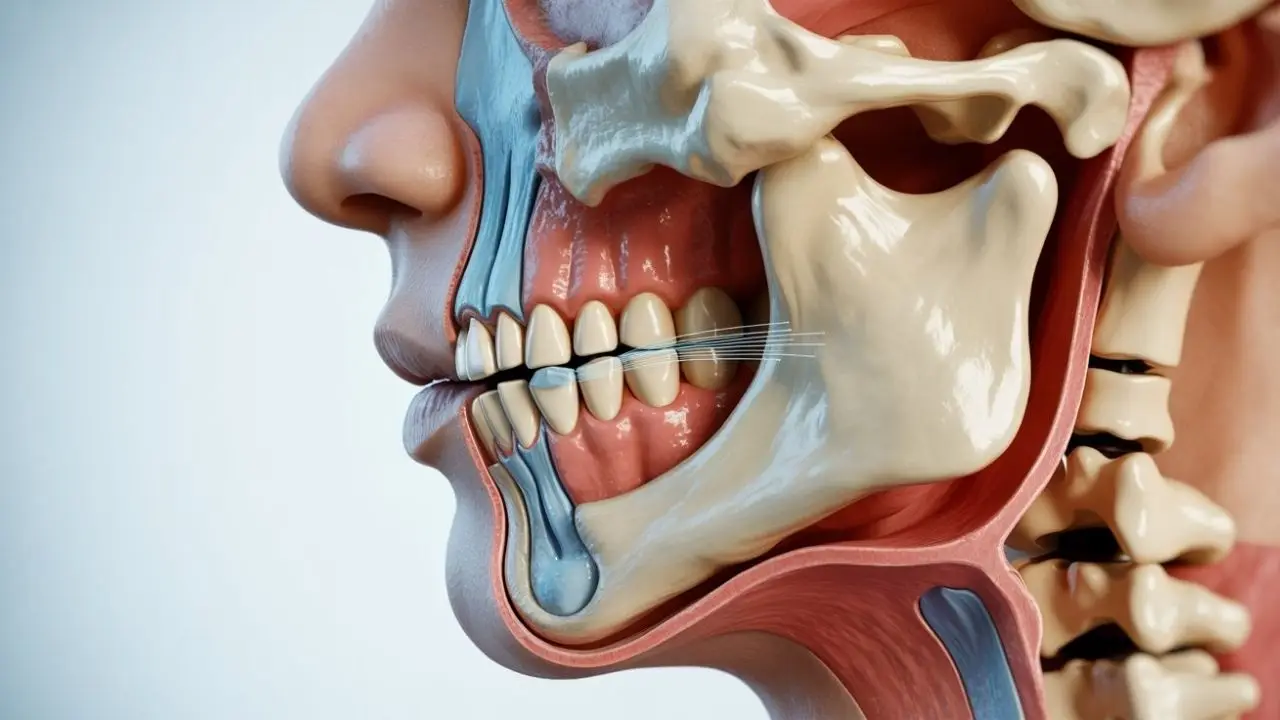
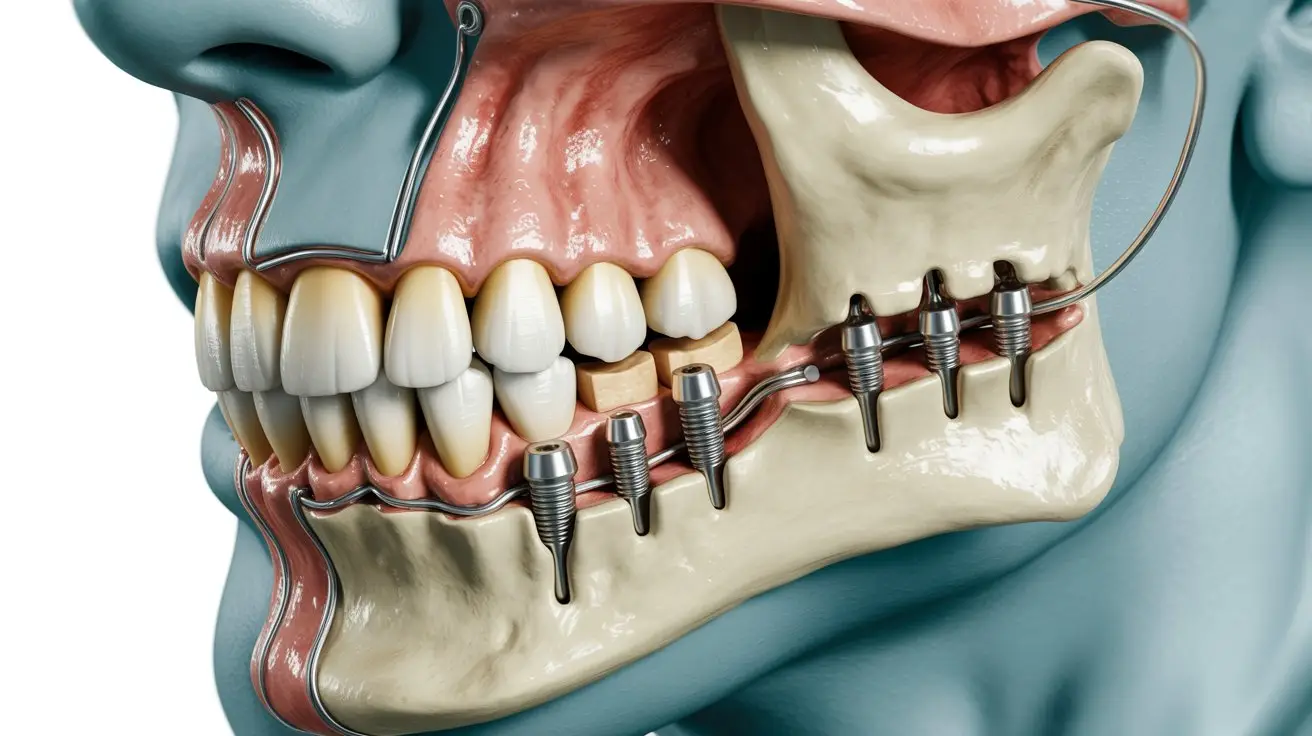
Chin aesthetic surgery encompasses procedures that modify the size, shape or projection of the chin. Genioplasty involves repositioning or reshaping the chin bone, while implant-based methods add volume without moving the bone itself. Both approaches fall under facial aesthetics and are planned according to individual anatomy.
Factors That May Influence Suitability for Chin Reshaping
Several elements are typically reviewed when determining whether chin aesthetics procedures could be appropriate. These include skeletal maturity, overall health, dental occlusion and realistic expectations about possible outcomes. Smoking, certain medical conditions and active jaw growth may affect candidacy.
| Aspect | General Consideration |
|---|---|
| Bone Development | Full skeletal maturity is usually required before planning genioplasty. |
| Occlusion | Bite relationship is evaluated to decide between isolated chin surgery and combined jaw procedures. |
| General Health | Absence of uncontrolled systemic conditions supports safer healing. |
| Soft Tissue Quality | Skin elasticity and muscle tone influence final contour after chin reshaping. |
Who Might Be Considered Jaw Surgery Candidates?
- Adults with stable occlusion and completed facial growth
- Individuals whose chin position affects facial balance or airway
- Patients without active periodontal disease or uncontrolled medical issues
- Those who understand that results vary and require thorough imaging and planning
Considerations That May Limit Eligibility
Some situations may lead clinicians to recommend against or postpone chin aesthetics interventions. These can include ongoing orthodontic treatment, unrealistic expectations, or significant medical risks. A detailed clinical examination and three-dimensional imaging help clarify individual suitability.
Frequently Asked Questions
Is chin aesthetics surgery suitable for everyone with a small chin?
Chin aesthetics procedures are not appropriate for every individual. Suitability depends on bone structure, dental relationships, general health and personal goals, all of which require professional evaluation.
How does genioplasty differ from chin implants?
Genioplasty moves the patient’s own chin bone, whereas implants add synthetic volume. The choice depends on the degree of correction needed and existing anatomy.
Can jaw surgery candidates combine chin reshaping with orthognathic procedures?
Yes, when bite correction and chin position are addressed together, combined planning may be considered. This decision follows comprehensive assessment by the surgical team.
What role does facial aesthetics play in candidacy decisions?
Facial aesthetics evaluation examines proportions between the chin, nose and lips. Balanced planning aims to maintain natural harmony rather than create exaggerated changes.
Are there age restrictions for chin reshaping?
Most clinicians prefer to wait until skeletal growth is complete, usually in the late teens or early twenties, to avoid unpredictable changes.
Conclusion
Chin aesthetic surgery and genioplasty can be considered for selected individuals whose chin position influences facial balance or function. However, suitability is determined only after clinical examination, imaging and discussion of realistic expectations. Personal consultation with a qualified specialist remains necessary.
Expert Information
This content is prepared for informational purposes in the field of oral, dental and maxillofacial surgery. Prof. Dr. Celal Çandırlı’s over 20 years of professional experience, training at England NHS Poole Hospital and Newcastle Freeman Hospital, contributes to addressing the topic within a scientific and clinical framework.
This content is for general informational purposes only and does not replace professional medical advice, diagnosis or treatment. Consult a qualified healthcare provider for concerns related to facial aesthetics or chin surgery.