Who Qualifies for Zygomatic Dental Implants with Severe Bone Loss?
Zygomatic dental implant offers an alternative approach that may be evaluated when conventional upper jaw implant options are limited due to advanced bone loss. This method uses the zygoma bone for support instead of relying solely on the upper jaw. The following sections explain general considerations for implant candidates.
Patients often seek solutions for missing teeth when significant bone resorption has occurred. A zygomatic dental implant can serve as one possible bone loss solution in selected situations. Individual assessment remains essential because suitability depends on many personal factors.
What Is a Zygomatic Dental Implant?
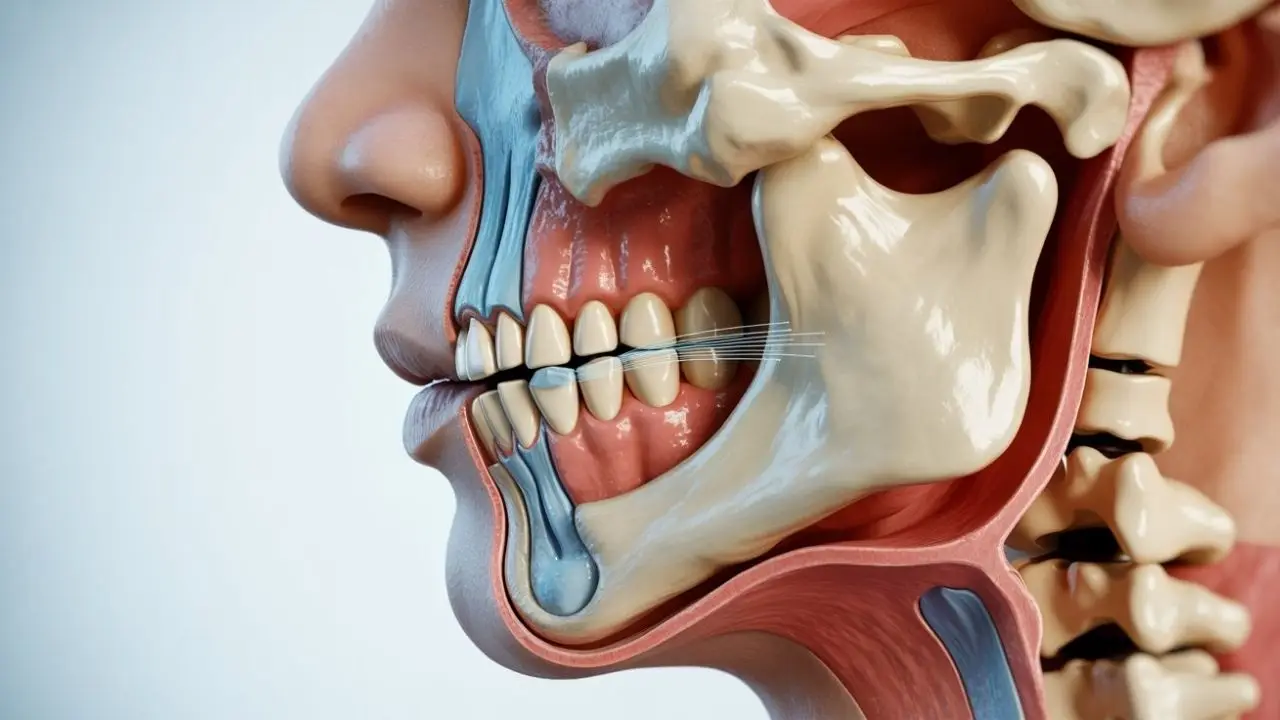
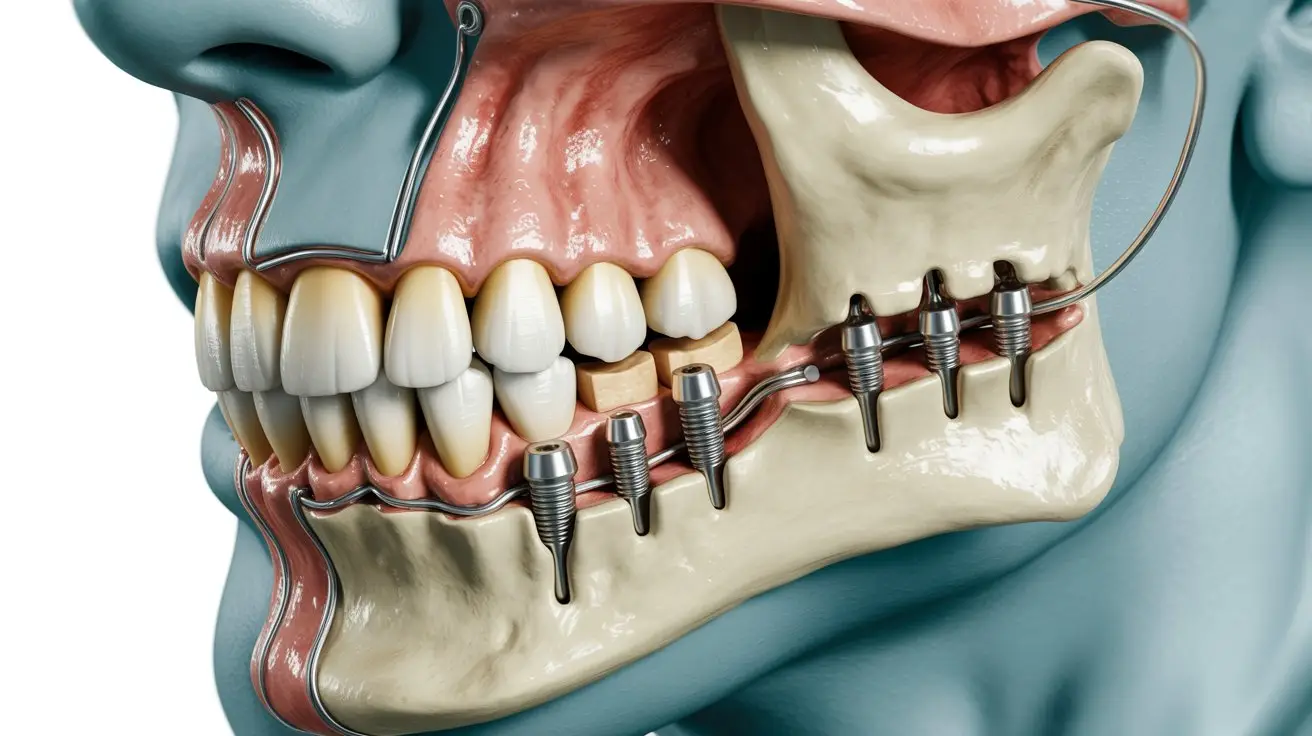
A zygomatic dental implant, sometimes called a zygoma implant, is longer than standard implants and anchors in the cheekbone. It may be discussed when the upper jaw lacks adequate bone volume for traditional placement. The approach differs from regular upper jaw implant techniques that require sufficient alveolar bone height.
General Criteria for Implant Candidates
Several factors are typically reviewed before considering a zygomatic dental implant. These include the extent of bone loss, overall health status, and the presence of any medical conditions that could affect healing. Imaging and clinical examination help determine whether this option aligns with a patient’s anatomy.
- Advanced resorption in the posterior maxilla
- Previous failed bone grafting attempts
- Desire to avoid extensive grafting procedures
- Good general health without uncontrolled systemic diseases
When Might This Option Be Discussed?
Individuals with long-term tooth loss or trauma that caused severe upper jaw bone loss may explore this route. It is not suitable for everyone and requires detailed radiographic evaluation. A zygomatic dental implant is generally considered only after conventional methods are ruled out.
| Aspect | General Description |
|---|---|
| Bone Condition | Severe upper jaw loss where standard implants cannot be placed |
| Health Status | Stable systemic health without contraindications |
| Previous Treatments | Failed grafting or inability to undergo major augmentation |
| Evaluation Needed | 3D imaging and specialist consultation required |
Points That May Limit Suitability
Certain conditions could make a zygomatic dental implant less appropriate. Active sinus disease, uncontrolled diabetes, or insufficient zygoma bone quality are examples. Each case must be reviewed individually by a qualified professional.
General Process Overview
Planning usually involves detailed scans and discussions about expectations. The procedure itself is performed under appropriate anesthesia. Recovery timelines and aftercare instructions vary according to personal circumstances and should be explained by the treating clinician.
Sık Sorulan Sorular
Who may be considered for a zygomatic dental implant?
Patients with severe upper jaw bone loss that prevents standard implant placement may be evaluated. Final decisions depend on clinical examination and imaging results.
Is a zygoma implant suitable for everyone with bone loss?
No. Suitability depends on the amount of remaining bone, sinus health, and overall medical condition. Personal assessment is always necessary.
How does a zygomatic dental implant differ from regular upper jaw implants?
It anchors in the zygoma bone rather than the maxilla, allowing treatment in cases where conventional upper jaw implant options are limited.
What evaluations are typically performed beforehand?
Three-dimensional scans, clinical examination, and review of medical history help determine whether this approach may be appropriate.
Are there alternatives to a zygomatic dental implant?
Options such as bone grafting combined with conventional implants or removable prostheses may be discussed depending on individual findings.
Does age affect eligibility for zygomatic implants?
Age alone is not a strict barrier, but general health and bone quality play larger roles. A specialist evaluates each situation separately.
Sonuç
Zygomatic dental implant techniques may provide an option for selected patients experiencing advanced upper jaw bone loss. Determining whether this approach fits an individual’s needs requires professional evaluation, imaging, and discussion of all available possibilities. Personal circumstances always guide final decisions.
Expert Information
This content is prepared for informational purposes in the field of oral, dental and maxillofacial surgery. Prof. Dr. Celal Çandırlı’s over 20 years of professional experience, training at England NHS Poole Hospital and Newcastle Freeman Hospital, contributes to addressing the topic within a scientific and clinical framework.
This content is for general informational purposes only and does not replace diagnosis or treatment. Consult a dental or maxillofacial specialist for personal concerns regarding oral health.