Pre-Surgical Evaluation for TMJ Surgery: Key Steps
Pre-surgical evaluation for TMJ surgery helps determine whether jaw joint surgery may be suitable for a person experiencing ongoing jaw problems. This process focuses on understanding the condition of the temporomandibular joint through careful assessment rather than immediate intervention.
During jaw surgery preparation, clinicians review medical history, symptoms, and imaging results. The goal is to gather clear information before any joint treatment decision is considered.
What Does Joint Examination Involve Before TMJ Surgery?
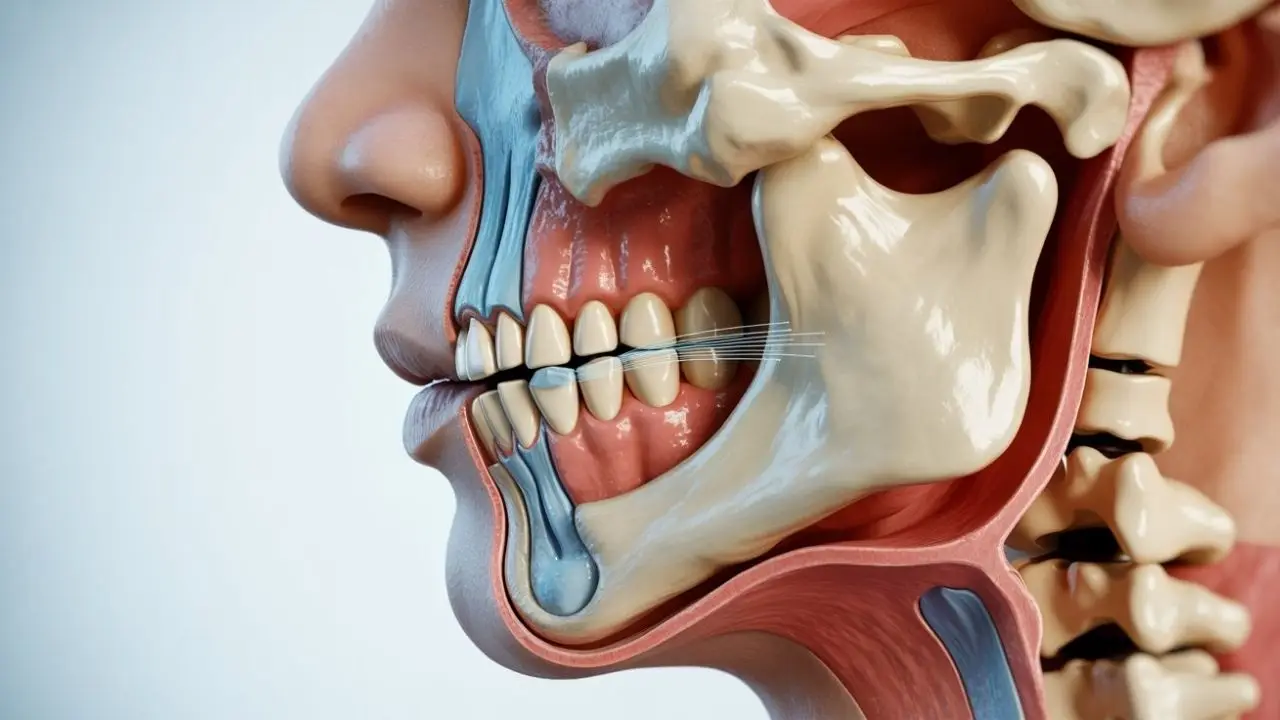
Joint examination includes physical assessment of jaw movement, bite alignment, and muscle tenderness. Clinicians may also use imaging such as panoramic radiographs or cone-beam computed tomography to evaluate bone structure and disc position.
These steps allow identification of issues that could influence the approach to TMJ surgery. Each finding contributes to a clearer picture of the joint’s current state.
Which Factors Are Reviewed During Jaw Surgery Preparation?
- Duration and pattern of jaw pain or clicking
- Previous conservative treatments such as splints or physiotherapy
- Overall health conditions that may affect healing
- Presence of arthritis or structural changes in the joint
| Evaluation Area | General Purpose |
|---|---|
| Clinical Examination | Assess jaw range of motion and muscle function |
| Imaging Studies | Review bone and soft tissue details |
| Medical History | Identify conditions affecting surgical planning |
| Previous Treatments | Understand response to non-surgical options |
When Might TMJ Surgery Be Considered After Evaluation?
TMJ surgery may be discussed when non-surgical methods have not provided sufficient relief and symptoms significantly affect daily function. The decision depends on individual findings from the joint examination and imaging.
Are There Situations Where Jaw Joint Surgery May Not Be Recommended?
Certain medical conditions, insufficient bone support, or uncontrolled inflammatory disorders can make jaw joint surgery less appropriate. In such cases, alternative management strategies are usually explored first.
Sık Sorulan Sorular
How long does pre-surgical evaluation for TMJ surgery typically take?
The process may span several visits and includes clinical checks plus imaging. Timing varies according to each person’s specific situation.
Is joint examination painful during TMJ surgery preparation?
Most parts of the joint examination involve gentle palpation and movement tests. Discomfort, if any, is usually mild and temporary.
Can imaging alone confirm the need for jaw joint surgery?
Imaging provides important details but must be combined with clinical findings and symptom history. No single test determines treatment on its own.
What role does medical history play in joint treatment decisions?
Medical history helps identify factors that could influence healing or anesthesia choices. It forms a key part of the overall evaluation.
Are there alternatives to TMJ surgery after evaluation?
Many patients explore continued physiotherapy, medication adjustments, or occlusal splints. The evaluation helps clarify which options remain viable.
Why is personal assessment essential before jaw surgery preparation?
Every individual’s joint anatomy and health background differ. Only a direct clinical review can determine whether TMJ surgery is a reasonable consideration.
Conclusion
Pre-surgical evaluation for TMJ surgery provides structured information about the jaw joint and surrounding structures. This assessment helps patients and clinicians understand possible next steps based on individual findings rather than general assumptions.
Expert Information
This content is prepared for informational purposes in the field of oral, dental and maxillofacial surgery. Prof. Dr. Celal Çandırlı’s over 20 years of professional experience and educational background at England NHS Poole Hospital and Newcastle Freeman Hospital contribute to addressing the topic within a scientific and clinical framework.
This content is for general informational purposes only and does not replace diagnosis or treatment. Consult a dentist or appropriate specialist for any jaw or joint concerns.