Orthognathic Surgery Consultation: Key Evaluation Factors
Orthognathic surgery consultation involves a detailed assessment of facial structure, bite alignment and overall health to determine whether corrective jaw procedures may be appropriate. This process helps identify individual needs without providing any specific treatment guarantees.
During the consultation, specialists review medical history, perform clinical examinations and use advanced imaging to understand the case. Patients learn what factors influence decisions and why personal evaluation remains essential.
Medical History and General Health Review
Reviewing past medical conditions forms the first step. Conditions such as diabetes, heart issues or bleeding disorders can affect surgical planning. Medications and allergies are also noted to reduce potential complications.
- Systemic diseases that may influence healing
- Previous dental or facial treatments
- Current medications and lifestyle factors
Clinical Examination of Jaw and Bite
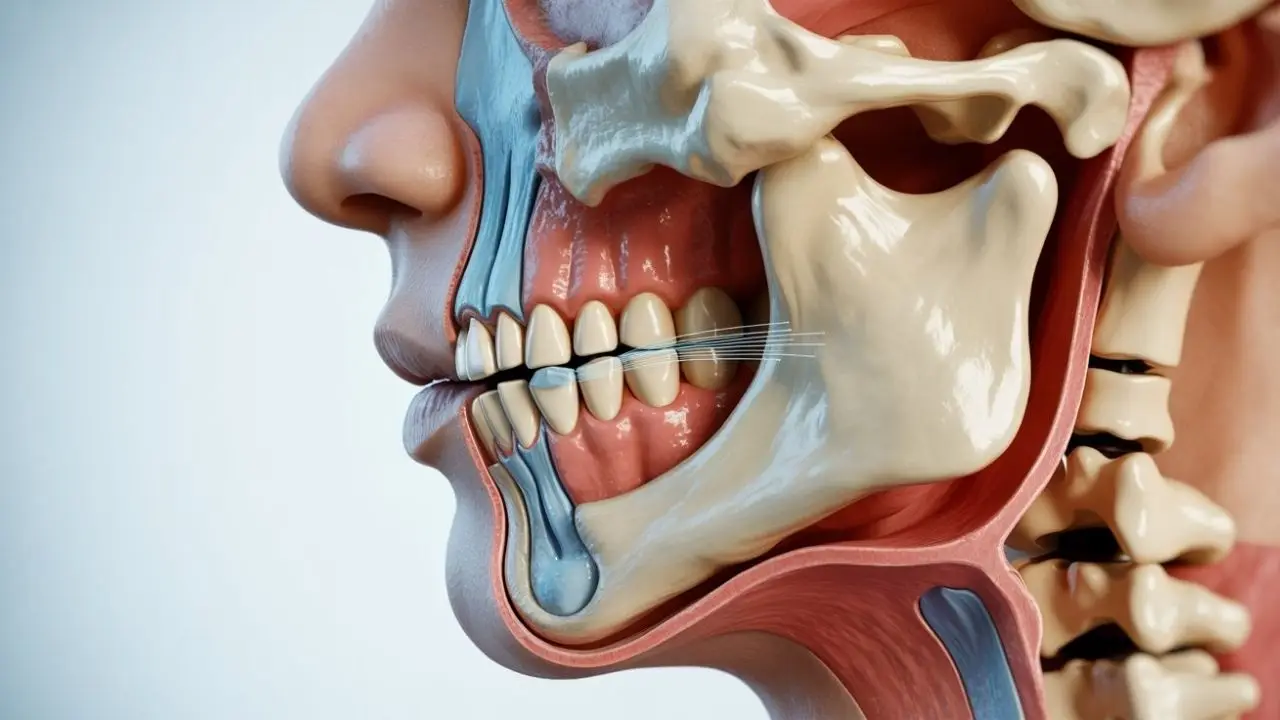
A physical examination evaluates jaw symmetry, bite relationship and temporomandibular joint function. Measurements of facial proportions help identify discrepancies that may require orthognathic surgery consultation.
3D Analysis and Imaging Techniques
Three-dimensional imaging provides precise data on bone structure and soft tissue. Cone-beam computed tomography and facial scans allow detailed surgical planning while considering individual anatomy.
| Evaluation Area | General Purpose |
|---|---|
| Medical History | Identify systemic risks before any procedure |
| 3D Imaging | Assess bone volume and facial proportions |
| Bite Analysis | Determine functional and aesthetic needs |
| Patient Preparation | Review expectations and recovery factors |
Patient Preparation and Surgical Planning
Preparation includes orthodontic evaluation, discussion of possible timelines and understanding recovery expectations. Surgical planning integrates all collected data to create a personalized approach when orthognathic surgery consultation indicates suitability.
Frequently Asked Questions
What happens during an orthognathic surgery consultation?
The process includes medical review, clinical examination, imaging and discussion of possible options based on individual findings.
Why is 3D analysis important in jaw surgery evaluation?
3D analysis provides accurate measurements of bone and soft tissue, supporting precise treatment planning when needed.
Who might not be suitable for orthognathic procedures?
Individuals with certain uncontrolled medical conditions or insufficient bone support may require alternative approaches after full assessment.
How long does the evaluation process usually take?
Multiple appointments involving examinations and imaging are often necessary to complete a thorough jaw surgery evaluation.
Can orthognathic surgery consultation replace a full examination?
No, a consultation provides general information only. Final decisions require in-person assessment by a qualified specialist.
What role does patient preparation play?
Preparation helps patients understand the process, recovery timeline and importance of following professional guidance after any procedure.
Conclusion
Orthognathic surgery consultation gathers essential information through history review, examination and imaging. Every case differs, so personal evaluation by a health professional determines the most suitable path forward.
Uzman Bilgisi
This content is prepared for general informational purposes in the field of oral, dental and maxillofacial surgery. Prof. Dr. Celal Çandırlı’s more than 20 years of professional experience and training at England’s NHS Poole Hospital and Newcastle Freeman Hospital support the scientific and clinical context of the topic.
This content is for general informational purposes only and does not replace diagnosis or treatment. Consult a dentist or relevant specialist for any oral, dental or jaw health concerns.