What Is the Recovery Process Like After Zygomatic Implant Surgery?
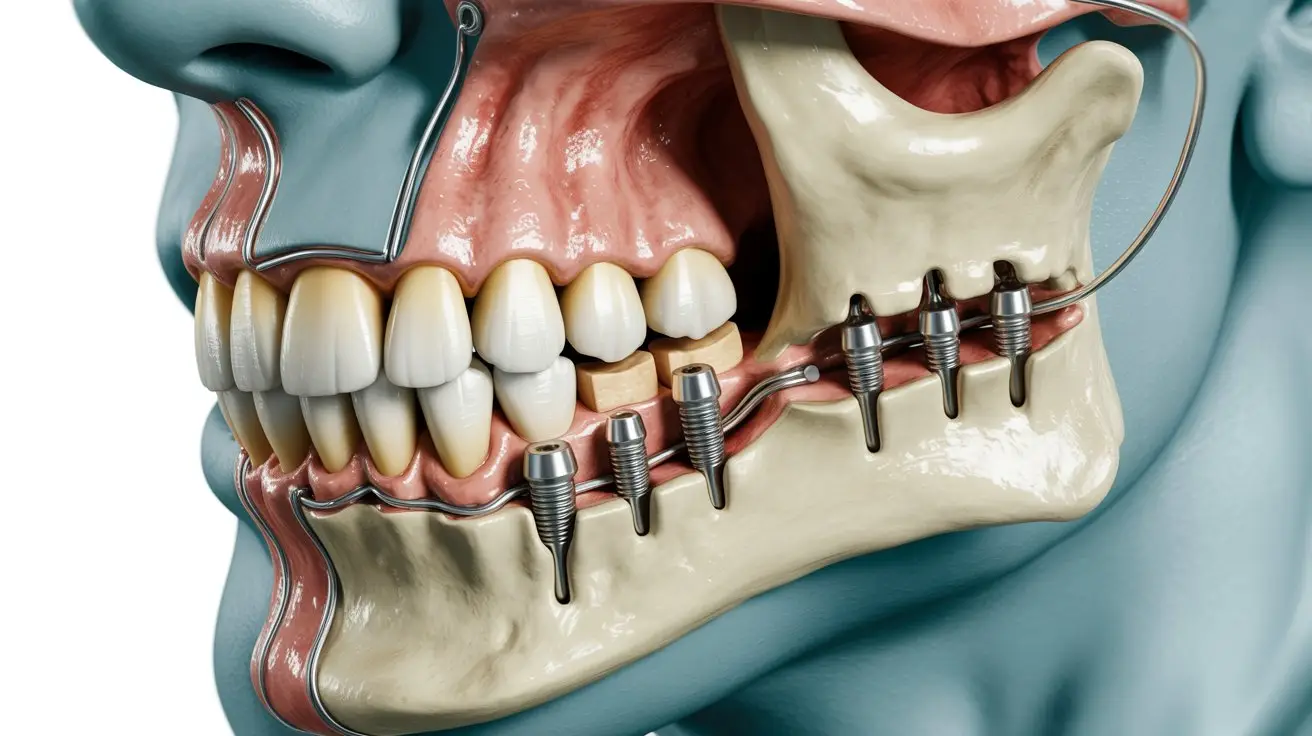
Zygomatic implant surgery offers an option for patients with significant upper jaw bone loss when traditional implants may not be suitable. The recovery process after this procedure varies from person to person and depends on individual healing capacity, overall health, and adherence to post-implant care instructions.
Understanding the general stages of healing can help set realistic expectations. While the surgery itself addresses severe bone loss in the upper jaw, the weeks that follow require careful attention to swelling, diet, and oral hygiene.
Immediate Post-Surgery Period
Swelling and mild discomfort are common in the first 48 to 72 hours. Cold compresses applied externally may help reduce swelling during this time. Most patients are advised to rest and avoid strenuous activities for at least one week.
Soft or liquid nutrition is typically recommended to protect the surgical site. Pain medication prescribed by the surgeon is usually sufficient to manage discomfort in the early days.
Healing Timeline and Key Milestones
| Time Frame | General Expectations |
|---|---|
| First Week | Swelling peaks then gradually decreases; bruising may appear. |
| 2-4 Weeks | Soft tissue healing progresses; follow-up visits assess implant stability. |
| 2-3 Months | Bone integration around the zygomatic implant continues. |
| 4-6 Months | Final prosthetic restoration may be considered after clearance. |
Post-Implant Care Recommendations
- Maintain gentle oral hygiene using prescribed rinses.
- Avoid smoking and alcohol, as both can delay healing.
- Attend all scheduled follow-up appointments for monitoring.
- Report any unusual pain, bleeding, or fever promptly.
Factors That Influence Recovery
Age, existing medical conditions, and the extent of bone loss can affect how quickly a patient heals after jaw surgery involving zygomatic implants. Patients with controlled systemic diseases generally experience smoother recovery compared to those with unmanaged health issues.
Possible Challenges During Recovery
Some individuals report temporary changes in sensation or difficulty with certain foods. These effects are usually short-lived but should be discussed with the treating surgeon if they persist.
Sık Sorulan Sorular
How long does swelling last after zygomatic implant surgery?
Swelling often peaks within three days and subsides over the following one to two weeks, though minor residual swelling can linger longer in some cases.
What type of diet is advised during the recovery process?
A soft or liquid diet is generally recommended for the first several weeks to protect the surgical area and support healing.
Can I return to work soon after zygomatic implant placement?
Many patients take one week off, but the exact time depends on the nature of the job and individual comfort level.
Is numbness normal after jaw surgery with zygomatic implants?
Temporary numbness or altered sensation can occur and usually resolves gradually; persistent changes should be evaluated by the surgeon.
When can normal oral hygiene resume after the procedure?
Gentle brushing and prescribed rinses may begin within a few days, but aggressive cleaning around the site is avoided until cleared by the clinician.
Does bone loss affect the length of the recovery process?
Significant bone loss may influence healing speed, yet each case requires individual assessment through clinical follow-up.
Conclusion
The recovery process after zygomatic implant surgery involves several predictable stages centered on swelling control, nutrition, and gradual return to normal function. Personal healing rates differ, and final outcomes depend on careful post-implant care and professional monitoring. Consultation with a qualified specialist remains essential for tailored guidance.
Uzman Bilgisi
This content is prepared for general informational purposes in the field of oral, dental and maxillofacial surgery. Prof. Dr. Celal Çandırlı’s more than 20 years of professional experience and training at England NHS Poole Hospital and Newcastle Freeman Hospital contribute to presenting the topic within a scientific and clinical framework.
This content is for general information purposes only and does not replace diagnosis or treatment. For complaints related to oral, dental and jaw health, consult your dentist or relevant specialist healthcare professional.