What Causes Jaw Joint Pain and How Is It Diagnosed?
Jaw joint pain often stems from issues involving the temporomandibular joint, the hinge connecting the jawbone to the skull. This discomfort can affect daily activities such as chewing, speaking, or yawning. Understanding the possible causes and diagnostic approaches helps patients recognize when professional evaluation is necessary.
The temporomandibular joint works with surrounding muscles and ligaments to allow smooth jaw movement. When this balance is disrupted, pain and restricted motion may develop. Early recognition of symptoms supports timely assessment through appropriate diagnostic methods.
Understanding the Temporomandibular Joint
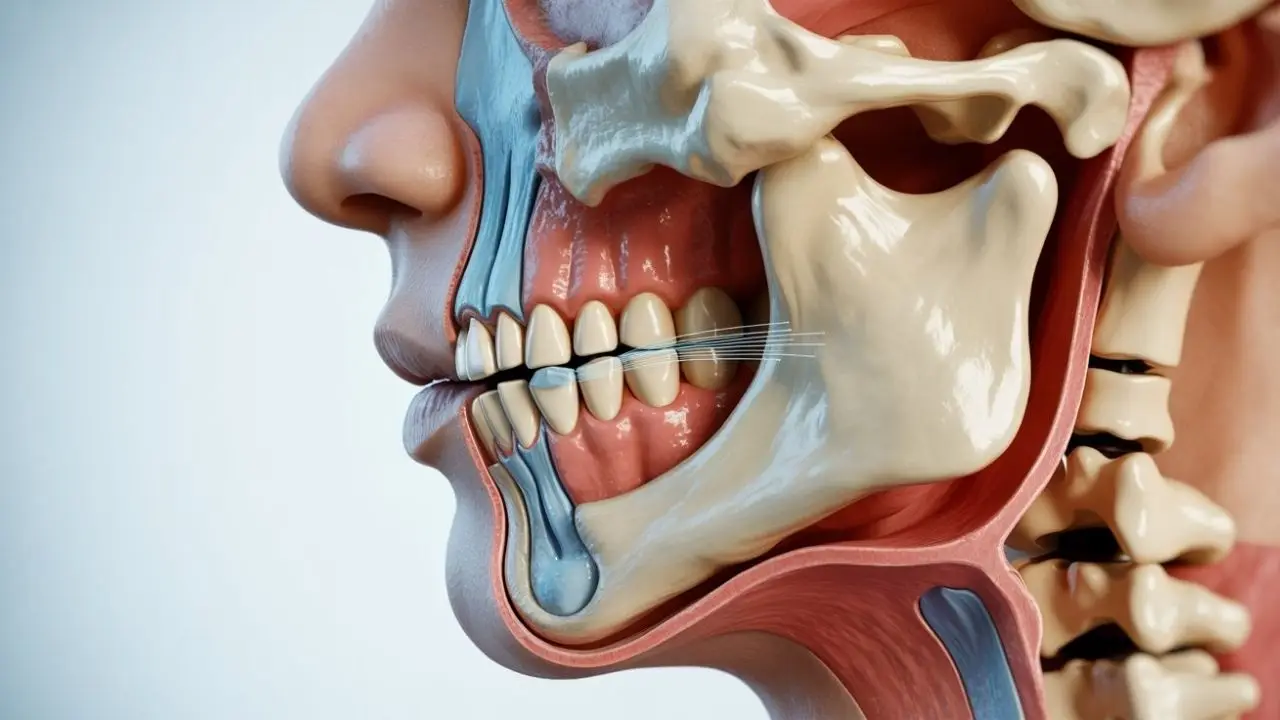
The temporomandibular joint functions as a sliding hinge on each side of the head. It supports complex movements required for eating and communication. Disorders in this area are commonly referred to as temporomandibular joint disorders.
Common Causes of Jaw Joint Pain
Several factors can contribute to jaw joint pain. These include teeth grinding, jaw misalignment, arthritis, or injury to the joint area. Stress-related muscle tension may also play a role by increasing pressure on the joint.
- Bruxism or habitual teeth clenching
- Arthritis affecting the joint cartilage
- Direct trauma or whiplash injuries
- Structural changes in bite alignment
Diagnostic Methods for Jaw Joint Pain
Diagnosis begins with a detailed clinical examination of jaw movement and muscle tenderness. Imaging techniques such as panoramic X-rays, CT scans, or MRI provide detailed views of bone and soft tissue structures. These diagnostic methods help identify inflammation, disc displacement, or degenerative changes.
| Method | General Purpose |
|---|---|
| Clinical examination | Assesses range of motion and pain triggers |
| MRI | Evaluates soft tissue and disc position |
| CT scan | Reveals bone abnormalities or fractures |
| Panoramic radiograph | Offers initial overview of joint structure |
Role of Early Diagnosis
Early diagnosis allows for identification of contributing factors before symptoms become chronic. Prompt evaluation can clarify whether conservative approaches or further intervention, such as jaw surgery in selected cases, might be discussed.
When Jaw Surgery May Be Considered
Jaw surgery is generally reserved for structural problems that do not respond to other measures. Decisions involve careful review of imaging results and overall health status. Each case requires individualized assessment by a qualified specialist.
Sık Sorulan Sorular
What are the most frequent triggers of jaw joint pain?
Common triggers include teeth grinding, arthritis, and direct injury. Stress-related muscle tension can also increase discomfort in the temporomandibular joint area.
How do diagnostic methods help identify the source of pain?
Diagnostic methods combine physical examination with imaging to detect inflammation, disc issues, or bone changes that may explain the symptoms.
Can jaw joint pain resolve without intervention?
Some mild cases improve with rest and self-care, yet persistent pain warrants professional evaluation to rule out underlying conditions.
Is early diagnosis important for jaw joint problems?
Early diagnosis supports better understanding of the condition and helps guide appropriate next steps based on individual findings.
When might jaw surgery enter the discussion?
Jaw surgery may be considered when structural abnormalities significantly limit function and other approaches have not provided relief. Suitability depends on detailed assessment.
Does stress contribute to temporomandibular joint disorders?
Stress can lead to increased muscle tension and teeth clenching, which may aggravate symptoms in the temporomandibular joint.
Conclusion
Jaw joint pain can arise from various mechanical, inflammatory, or behavioral factors. Accurate identification through diagnostic methods and consideration of early diagnosis remain central to informed decision-making. Any treatment pathway, including the potential role of jaw surgery, requires personal clinical evaluation.
Expert Information
This content has been prepared for general informational purposes in the field of oral, dental, and maxillofacial surgery. Prof. Dr. Celal Çandırlı’s more than 20 years of professional experience and training at England’s NHS Poole Hospital and Newcastle Freeman Hospital contribute to the scientific and clinical framing of the topic.
This content is for general informational purposes only and does not replace diagnosis or treatment. For jaw joint pain or related concerns, consult a dentist or relevant healthcare professional.