Why Consider Pterygoid Implants for Severe Upper Jaw Bone Loss?
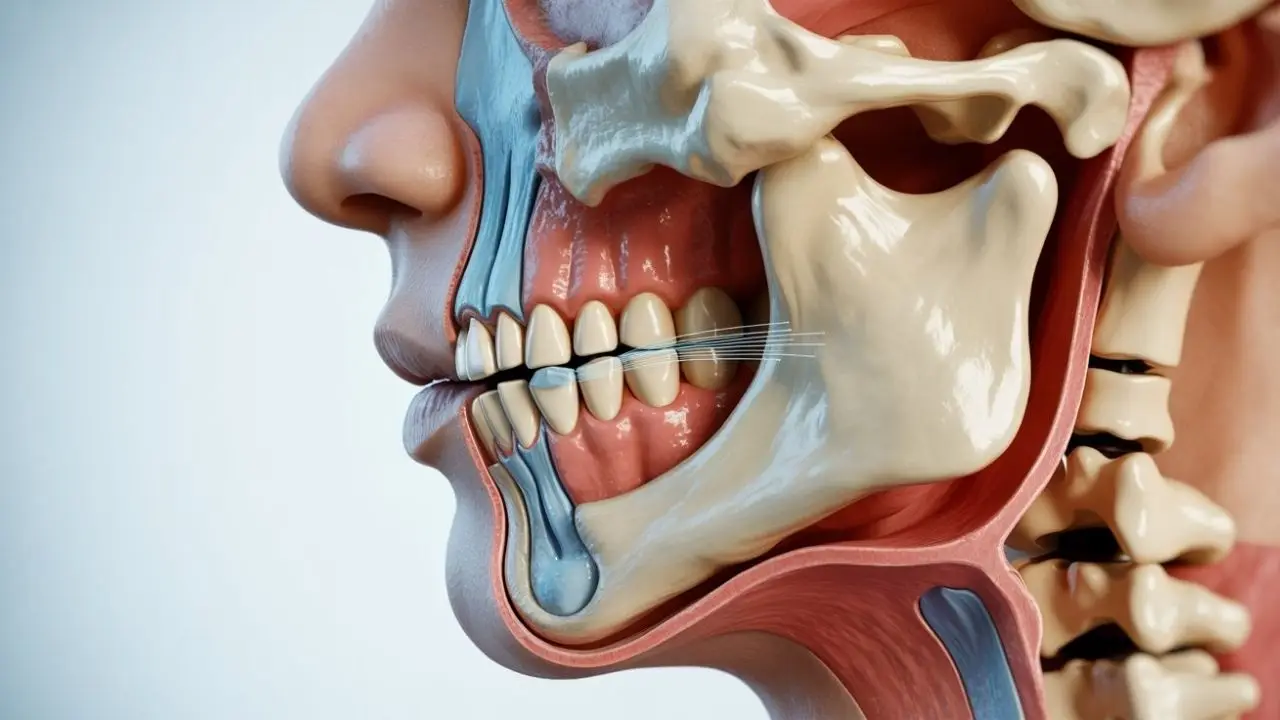
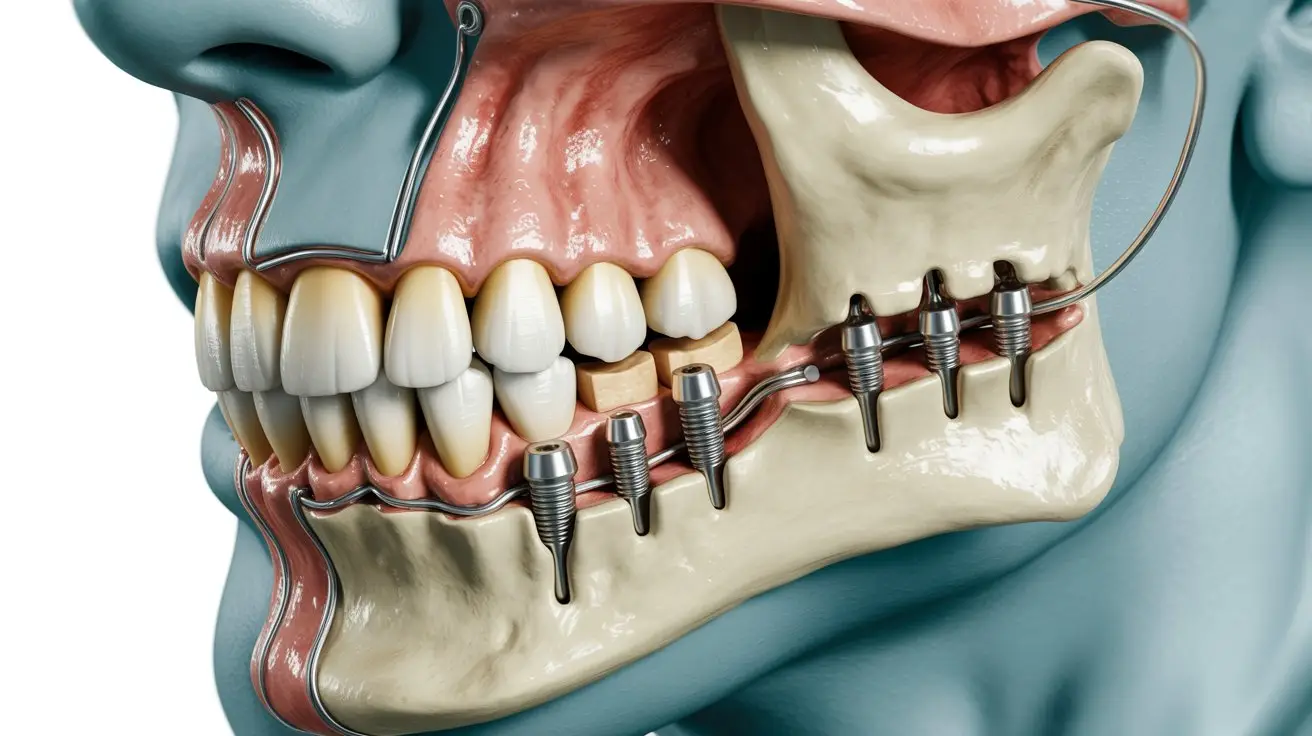
Pterygoid implant offers an alternative approach when severe upper jaw bone loss limits the use of standard implant methods. This technique anchors the implant in the pterygoid bone located at the back of the upper jaw, providing support even after significant bone resorption has occurred.
Patients facing advanced bone loss often explore different implant options to restore function without extensive grafting procedures. Understanding the general process helps set realistic expectations before any personal evaluation.
What Is a Pterygoid Implant?
A pterygoid implant is a longer fixture placed into the pterygoid process of the sphenoid bone. Unlike conventional implants that rely on the alveolar bone (the bone that normally supports teeth), this method uses denser posterior bone for stability.
When Upper Jaw Bone Loss Makes Standard Implants Difficult
Upper jaw bone loss can result from long-term tooth absence, periodontal disease, or previous trauma. In such situations, the remaining bone may be too thin or short for traditional implant placement without additional procedures like bone grafting or sinus lifts.
- Reduced vertical height in the posterior maxilla
- Significant bone resorption after tooth extraction
- Previous failed grafting attempts
How Pterygoid Implants Differ From Other Implant Options
| Aspect | Standard Implant | Pterygoid Implant |
|---|---|---|
| Bone Requirement | Requires adequate alveolar bone | Uses pterygoid bone for anchorage |
| Grafting Need | Often needed | Usually avoided |
| Placement Location | Front or middle upper jaw | Posterior upper jaw region |
| Healing Considerations | Varies with bone quality | Depends on pterygoid bone density |
General Considerations Before Choosing This Approach
Evaluation typically includes three-dimensional imaging and clinical examination to assess remaining bone structure and overall health. Not every case of upper jaw bone loss will suit this method, and suitability is determined individually.
Possible Advantages in Jaw Reconstruction Cases
In selected situations involving extensive bone resorption, pterygoid implants may reduce the need for multiple grafting surgeries. Recovery timelines and functional outcomes still vary according to each patient’s anatomy and healing capacity.
Frequently Asked Questions
Is a pterygoid implant suitable for everyone with upper jaw bone loss?
No. Suitability depends on specific bone anatomy, general health status, and detailed imaging results. A personal clinical assessment is necessary to determine appropriateness.
How does pterygoid implant placement differ from conventional methods?
The implant is angled toward the pterygoid bone rather than the front or middle upper jaw areas. This changes surgical planning and requires specialized radiographic evaluation.
Can pterygoid implants be combined with other implant options?
In some treatment plans, pterygoid implants may be used alongside zygomatic or conventional implants. The final configuration is decided after thorough diagnostic imaging and planning.
What is the general recovery process after pterygoid implant surgery?
Initial healing involves swelling and dietary modifications similar to other jaw procedures. Full integration time varies and is monitored through follow-up visits.
Are there risks associated with pterygoid implants?
As with any surgical procedure, risks such as infection, nerve irritation, or implant failure exist. These are discussed during individualized consultations based on medical history.
Does upper jaw bone loss always require pterygoid implants?
Not necessarily. Alternative approaches including grafting or different implant designs may be considered depending on the degree of bone resorption and patient-specific factors.
Conclusion
Pterygoid implant represents one possible solution for individuals experiencing severe upper jaw bone loss when conventional implant options are limited. Final decisions always require detailed examination, imaging, and discussion with a qualified specialist.
Expert Information
This content has been prepared for general informational purposes in the field of oral, dental and maxillofacial surgery. Prof. Dr. Celal Çandırlı’s more than 20 years of professional experience and training at England NHS Poole Hospital and Newcastle Freeman Hospital contribute to the scientific and clinical perspective presented.
This content is for general information purposes only and does not replace diagnosis or treatment. For complaints related to oral, dental and jaw health, consult your dentist or relevant specialist healthcare professional.