Facial Feminization Surgery: When Is It Recommended?
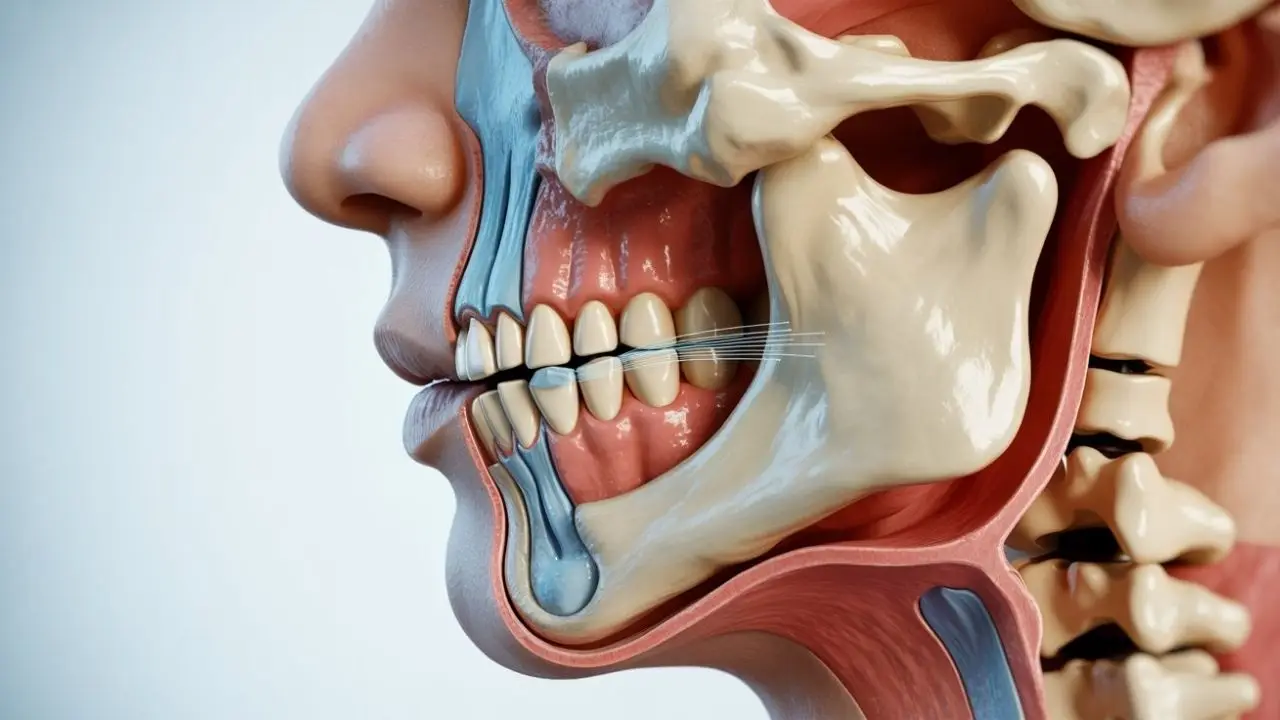
Facial feminization surgery refers to a set of procedures that may help align facial features with a person’s gender identity. This type of facial surgery often involves adjustments to the jaw, forehead, nose and chin to create softer contours. Many individuals explore these options when they seek changes in jaw aesthetics or overall facial harmony.
What Does Facial Feminization Surgery Involve?
The procedures can include reshaping the jawbone, reducing brow prominence and refining the chin. Each step is planned according to the patient’s unique bone structure and soft tissue. Jaw aesthetics play a central role because the lower face strongly influences perceived femininity.
When Might Facial Feminization Surgery Be Considered?
People usually consider facial feminization surgery after social transition or hormone therapy has begun. It may also be discussed when facial features cause ongoing discomfort in daily life. The decision depends on personal goals, medical stability and realistic expectations about outcomes.
Who Are Ideal Candidates?
Ideal candidates are generally adults whose facial growth is complete. Good overall health and stable mental health support better recovery. A thorough evaluation by a qualified surgeon helps determine whether the desired changes in jaw aesthetics and other areas are achievable.
| Factor | General Description |
|---|---|
| Age | Usually after skeletal maturity is reached. |
| Health Status | Absence of uncontrolled medical conditions. |
| Expectations | Clear understanding that results vary between individuals. |
| Support System | Access to emotional and practical support during recovery. |
Evaluation Before Facial Surgery
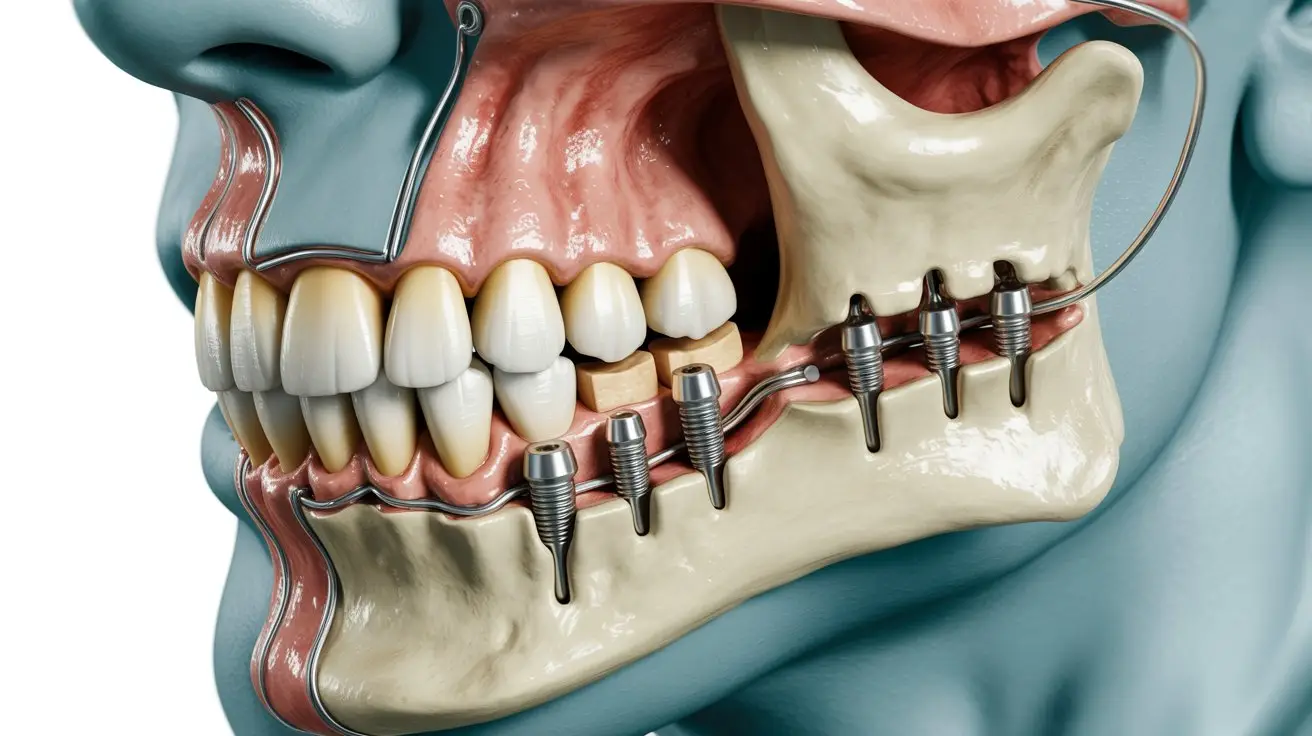
Surgeons review medical history, perform clinical examination and order imaging studies. Three-dimensional scans help assess bone thickness and nerve positions. This information guides whether jaw contouring or other procedures can be safely planned.
Points to Consider After Surgery
- Swelling may last several weeks and gradually subsides.
- Soft diet is often advised in the early recovery phase.
- Follow-up visits allow monitoring of healing and any adjustments.
- Individual healing rates differ and final appearance emerges over months.
Frequently Asked Questions
Is facial feminization surgery suitable for everyone?
Not every person seeking facial changes will be a candidate. Suitability depends on bone structure, general health and personal objectives determined during consultation.
How does jaw aesthetics factor into facial feminization surgery?
The jawline significantly affects facial balance. Procedures may soften angles or reduce prominence to align with desired aesthetics.
What is the typical recovery timeline?
Most daily activities resume within two to four weeks, though full swelling resolution can take several months. Exact timing varies by individual.
Are there non-surgical alternatives?
Some patients explore fillers or contouring makeup before surgery. These options provide temporary changes and do not alter underlying bone.
Does facial feminization surgery guarantee specific results?
Outcomes depend on anatomy, healing and surgical planning. No procedure can promise identical results for every patient.
Why is personal assessment important?
Only a face-to-face examination and imaging can clarify which procedures, if any, are appropriate for an individual’s situation.
Conclusion
Facial feminization surgery may be considered when facial features, including jaw aesthetics, do not match a person’s gender identity. The decision requires careful evaluation by specialists and realistic expectations about the process and recovery.
Uzman Bilgisi
This content is prepared for informational purposes in the field of oral, dental and maxillofacial surgery. Prof. Dr. Celal Çandırlı’s over 20 years of professional experience and training at England NHS Poole Hospital and Newcastle Freeman Hospital contribute to addressing the topic within a scientific and clinical framework.
This content is for general informational purposes only; it does not replace diagnosis or treatment. For complaints related to oral, dental and maxillofacial health, you should consult your dentist or relevant specialist health professional.