Titanium vs PEEK Facial Implants: Key Differences Explained
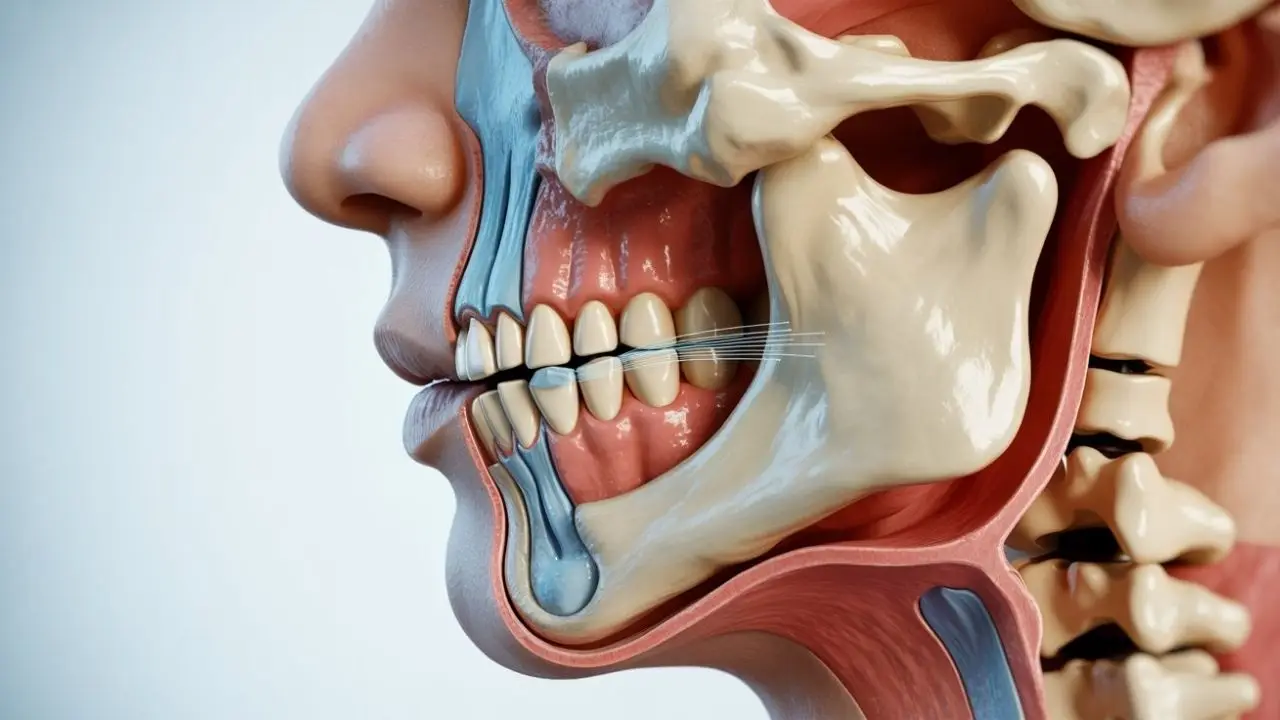
Titanium implant and peek implant materials are frequently compared in facial implant applications, especially when patients consider options related to jaw surgery. Each material offers distinct physical and biological properties that may influence suitability for individual cases.
This article provides a general overview of the main differences between titanium and PEEK facial implants. Readers are encouraged to discuss personal circumstances with a qualified healthcare professional for any medical decision.
What Are Titanium and PEEK Facial Implants?
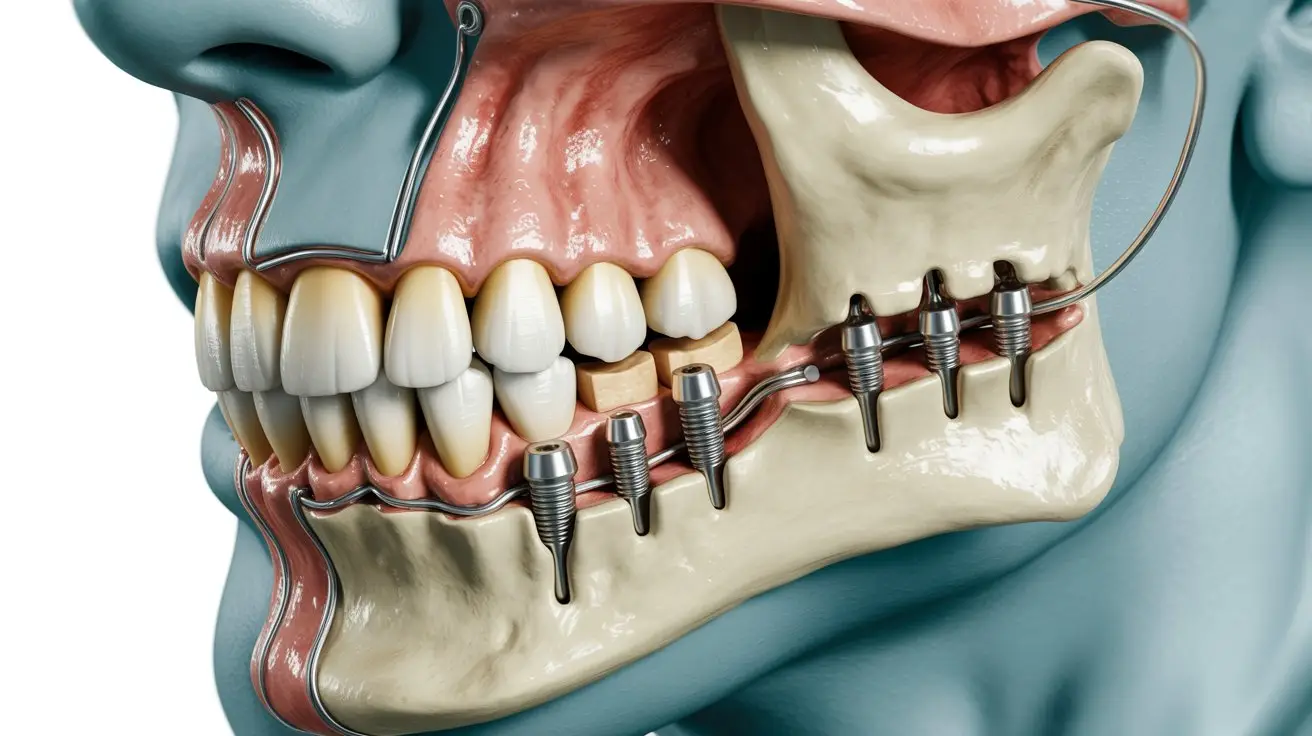
Titanium implants are made from a strong, biocompatible metal widely used in maxillofacial procedures. They integrate well with bone and are often chosen when structural support is needed during jaw surgery or facial reconstruction.
PEEK implants, on the other hand, are produced from a high-performance polymer. This material is lightweight and has an elasticity closer to natural bone, which some surgeons consider when planning certain facial implant cases.
Material Properties and Biocompatibility
Both titanium implant and peek implant options demonstrate good biocompatibility. Titanium is radiopaque, meaning it appears clearly on X-rays and CT scans, which can help with post-operative monitoring. PEEK is radiolucent, allowing better visualization of surrounding tissues on imaging.
- Titanium offers high strength and corrosion resistance.
- PEEK provides lower thermal conductivity and reduced artifact on MRI scans.
- Both materials generally show low rates of rejection when properly placed.
Comparison of Titanium and PEEK Implants
| Feature | Titanium Implant | PEEK Implant |
|---|---|---|
| Weight | Heavier | Lighter |
| Elasticity | Stiffer than bone | Closer to bone |
| Imaging compatibility | Clear on X-ray, may cause artifacts on MRI | Better MRI visibility |
| Osseointegration | Strong bone bonding | Limited direct bone bonding |
| Custom fabrication | Possible but more complex | Easier to 3D print |
When Might Each Material Be Considered in Jaw Surgery?
In jaw surgery contexts, titanium implants may be evaluated for cases requiring rigid fixation or load-bearing support. PEEK implants are sometimes discussed when a more flexible material or reduced imaging interference is preferred.
Final material selection depends on the patient’s anatomy, medical history, and surgical goals. A thorough clinical examination and imaging are always necessary before any decision.
Potential Considerations and Limitations
Every implant type carries general risks such as infection, implant movement, or the need for revision surgery. Titanium may cause cold sensitivity in some patients, while PEEK can be more prone to wear in high-stress areas.
Long-term outcomes vary widely between individuals. No material guarantees identical results for every patient.
Sık Sorulan Sorular
Is titanium implant stronger than peek implant?
Titanium generally provides higher mechanical strength, but strength requirements differ according to each surgical plan and patient anatomy.
Can peek implant be used in jaw surgery?
PEEK implants may be considered in certain jaw surgery cases, yet suitability must be assessed through clinical evaluation and imaging.
Does titanium implant affect MRI scans?
Titanium can create some artifacts on MRI; however, modern protocols often minimize these effects during facial imaging.
Which material integrates better with bone?
Titanium typically shows stronger osseointegration, while PEEK relies more on soft-tissue adaptation and mechanical stability.
Are there allergy risks with facial implants?
Both materials have low allergy potential, but individual sensitivities should be discussed with a specialist before surgery.
How long do facial implants last?
Durability depends on multiple factors including material, surgical technique, and patient health; regular follow-up is recommended.
Sonuç
Titanium and PEEK each present unique characteristics that may be suitable for different facial implant scenarios, including those involving jaw surgery. The choice between a titanium implant and a peek implant should be made only after comprehensive assessment by a qualified healthcare provider.
Uzman Bilgisi
Bu içerik, ağız, diş ve çene cerrahisi alanında bilgilendirme amacıyla hazırlanmıştır. Prof. Dr. Celal Çandırlı’nın 20 yılı aşkın mesleki deneyimi, İngiltere NHS Poole Hospital ve Newcastle Freeman Hospital eğitim geçmişi, konunun bilimsel ve klinik çerçevede ele alınmasına katkı sağlar.
This content is for general informational purposes only and does not replace professional medical advice. Consult a qualified healthcare professional for any concerns regarding facial implants or jaw surgery.