Table of Contents
- What Is Facial Trauma and Why Is It Important?
- Most Common Facial Bone Fractures
- Symptoms and Diagnosis of a Jaw Fracture
- How Are Facial Trauma and Jaw Fractures Treated?
- The Process Before, During, and After Surgery
- What to Pay Attention to During Recovery
- Possible Complications and Preventive Measures
- Frequently Asked Questions
- Conclusion
Important Notice: This article is for general informational purposes only. Every patient and every fracture is different. A specialist examination is essential for an accurate diagnosis and appropriate treatment. Individual outcomes may vary from person to person.
1. What Is Facial Trauma and Why Is It Important?
A traffic accident, a sports injury, a workplace accident, or a simple fall… Facial injuries can occur at any time and can immediately affect both function and appearance. Jaw fractures and facial bone fractures are among the most common serious injuries. Problems such as bite misalignment, difficulty speaking and chewing, facial asymmetry, and chronic pain may become permanent.
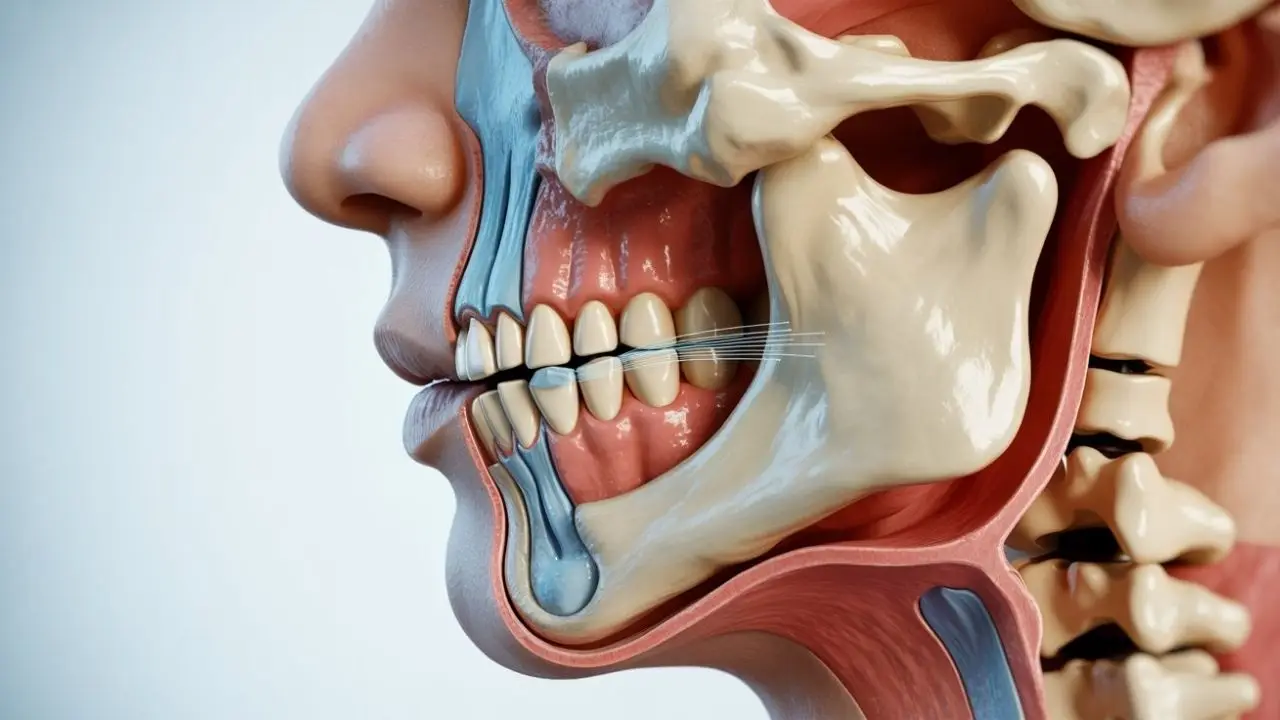
Facial trauma refers to fractures, cracks, or displacements in the facial bones (lower jaw/mandible, upper jaw/maxilla, cheekbone/zygoma, eye socket/orbit, nasal bone). Jaw fractures (mandibular fractures) are particularly common because the mandible is the most mobile facial bone and is frequently exposed to impact.
Trauma commonly occurs due to:
- Traffic accidents
- Sports injuries (football/soccer, basketball, combat sports)
- Workplace accidents and falls
- Violence/assault
If treatment is delayed, the risk of infection, improper healing (malunion), temporomandibular joint (TMJ) problems, and permanent facial deformity increases.
2. Most Common Facial Bone Fractures
| Fracture Type | Frequency | Typical Symptoms | Common Treatment Approach |
|---|---|---|---|
| Lower Jaw (Mandible) | Most common | Bite misalignment, limited jaw movement, swelling | Plates/screws or conservative management |
| Upper Jaw (Maxilla) | Moderate | Midface elongation, double vision | Surgical fixation |
| Cheekbone (Zygoma) | Very common | Cheek flattening, restricted eye movement | Repair with mini-plates |
| Eye Socket (Orbit) | Moderate | Double vision, sunken eye appearance | Titanium mesh or graft |
| Nasal Bone | Common (simple) | Bleeding, swelling, deformity | Usually closed reduction |
3. Symptoms and Diagnosis of a Jaw Fracture
The most common symptoms include:
- Severe pain and swelling
- Difficulty opening and closing the mouth
- Changes in the way the teeth fit together (malocclusion)
- Bleeding or bruising inside the mouth
- Numbness (if nerve injury is present)
- Facial asymmetry
Diagnosis is made through a clinical examination and imaging such as a panoramic X-ray (OPG) and 3D CT (cone-beam computed tomography). Advanced imaging helps accurately determine the exact fracture location, the degree of displacement, and the impact on surrounding structures.
4. How Are Facial Trauma and Jaw Fractures Treated?
Treatment varies depending on the fracture type, the amount of displacement, and the patient’s overall condition.
Conservative (Non-Surgical) Treatment
Used for mild, non-displaced fractures:
- Immobilization for 4–6 weeks with maxillomandibular fixation (MMF)
- A soft/liquid diet
- Pain relievers and antibiotics (when indicated)
Surgical Treatment (Most Effective Approach)
Preferred for most moderate to severe fractures:
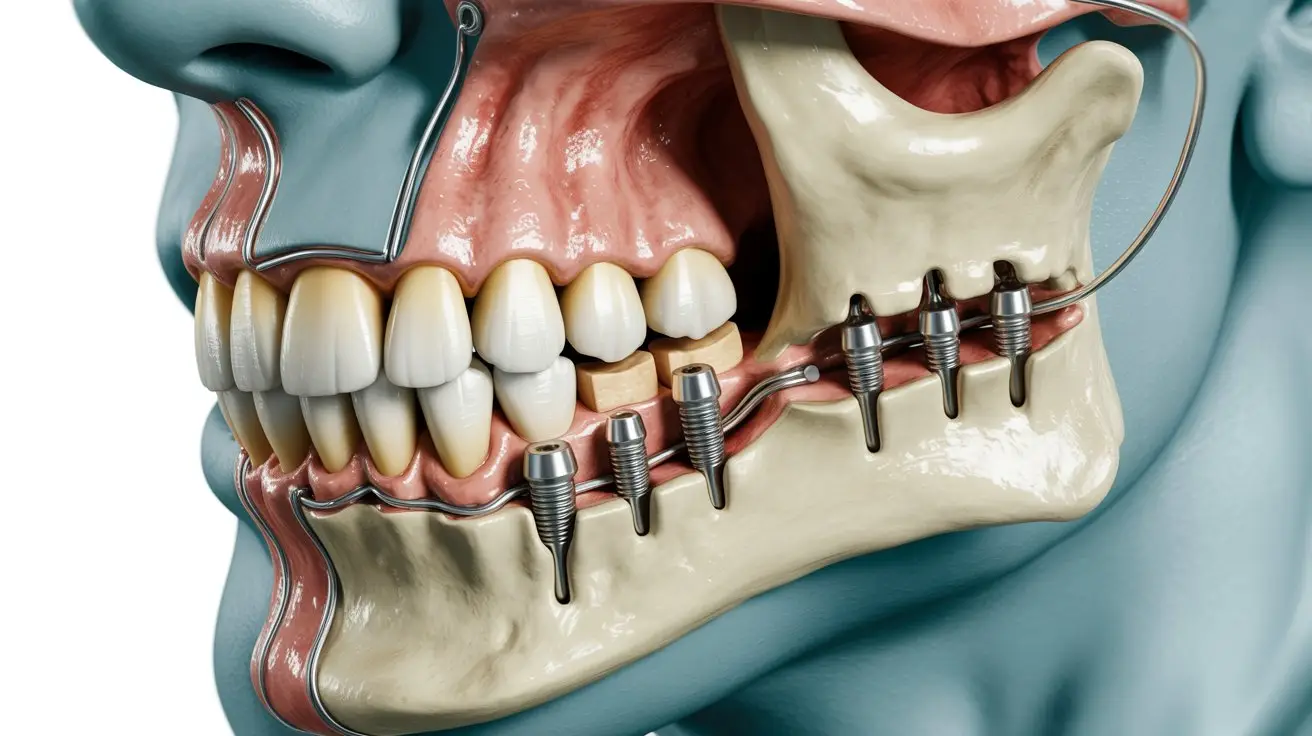
- Open Reduction and Internal Fixation (ORIF): Through small incisions inside the mouth, the fractured bone segments are repositioned and stabilized with titanium mini-plates and screws.
- Advantages: earlier return of function, shorter immobilization time, and improved aesthetic outcomes.
- With modern techniques, the risk of infection and complications can often be reduced.
In complex trauma cases, 3D planning and intraoperative navigation-assisted surgery can help restore both function and aesthetics together.
5. The Process Before, During, and After Surgery
Before: A detailed examination, 3D CT imaging, blood tests, and an anesthesia assessment. Smoking cessation and stopping blood thinners may be recommended when medically appropriate.
During: The procedure is usually performed under general anesthesia with intraoral incisions, so external scars are typically not visible.
After:
- Cold packs/ice application for the first 48 hours
- Swelling and bruising for 1–2 weeks
- A soft diet for 4–6 weeks
- Regular follow-up visits
Approximate Recovery Timeline:
- Week 1 → Swelling peaks; rest is important
- Weeks 2–4 → Swelling decreases; transition to softer foods
- Weeks 6–8 → Bone healing is largely completed
- Months 3–6 → Full functional and aesthetic recovery
6. What to Pay Attention to During Recovery
- Maintain a liquid and soft diet (soups, purees, yogurt)
- Pay close attention to oral hygiene (saltwater rinses, a soft toothbrush)
- Limit physical activity for 6–8 weeks
- Avoid smoking and alcohol
- Do not miss follow-up appointments
7. Possible Complications and Preventive Measures
Infection, improper healing, nerve injury, and TMJ problems are uncommon. When managed by an experienced surgeon with appropriate planning and follow-up, risks can often be minimized.
8. Frequently Asked Questions
Can a jaw fracture heal without surgery? Yes, in some mild cases. However, for displaced fractures, surgical treatment often provides more predictable results.
Will there be a visible scar after surgery? Because the procedure is typically performed through incisions inside the mouth, an external scar is usually not present.
How long does treatment take? Surgery typically takes 1–3 hours. Full recovery can vary from 2 to 6 months.
Can I receive treatment as an international patient? Yes. Support can be provided for international patients.
What is the cost? The cost depends on the complexity of the fracture and the required treatment. Please contact us for a personalized estimate.
9. Conclusion
Facial trauma and jaw fractures can be treated effectively with the right approach. Prof. Dr. Celal Çandırlı is a maxillofacial surgeon specialized in the management of facial trauma and maxillofacial fractures, with over 20 years of clinical experience and advanced training at NHS Poole Hospital and NHS Newcastle Freeman Hospital in the United Kingdom. Through meticulous planning and modern surgical techniques applied in hundreds of complex trauma cases, the goal is to achieve the best possible functional and aesthetic outcomes for each patient.
For more information and to schedule an appointment, you can contact us.
Prof. Dr. Celal Çandırlı Specialist in Oral, Facial & Maxillofacial Surgery • NHS Poole & Newcastle Freeman Hospital (UK) • 20+ years of experience • 50+ international publications
This article is for informational purposes only. Treatment decisions should be made after a physician’s examination.