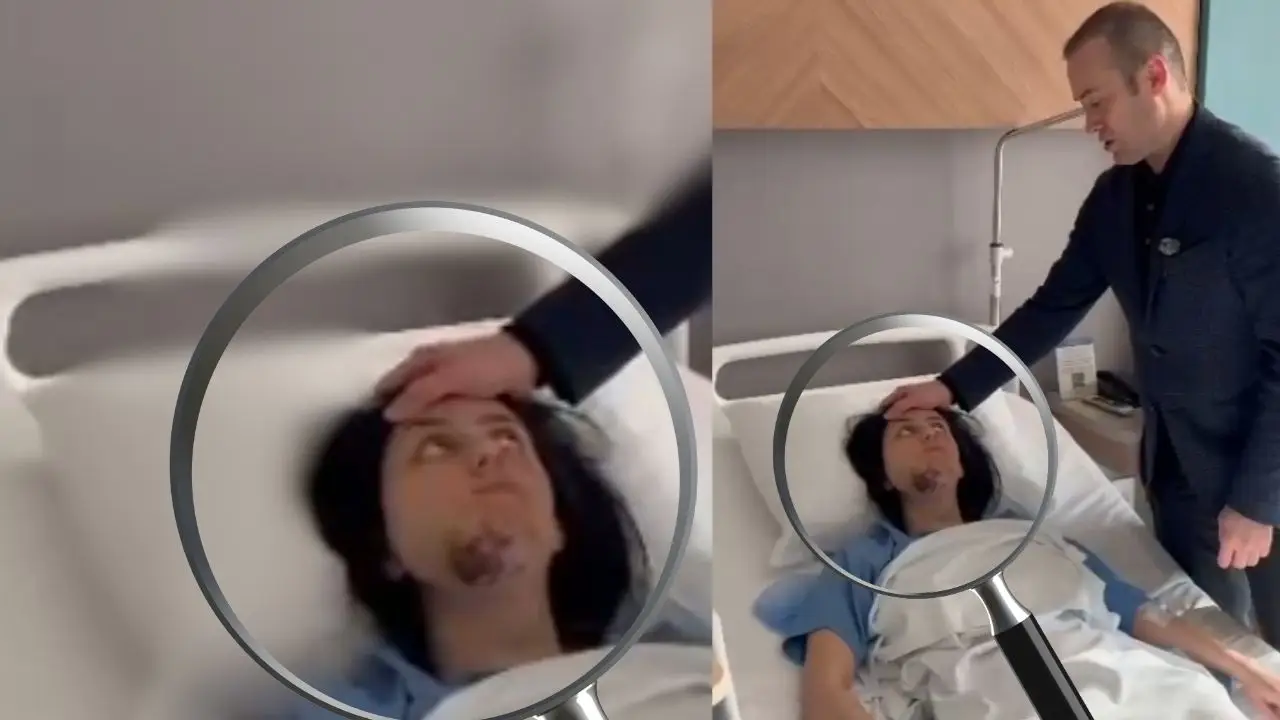
Disclaimer: This article is for general informational purposes only and does not constitute medical advice. Tumors in the jaw and facial region can be serious. If you notice any swelling, pain, or unusual symptoms, consult a qualified maxillofacial surgeon immediately. Diagnosis and treatment must be personalized by a professional.
Jaw and facial tumors, also known as maxillofacial tumors, can range from benign cysts to malignant cancers. These conditions affect the bones, soft tissues, and oral cavity, impacting functions like chewing, speaking, and breathing. Early detection significantly improves outcomes, with success rates often exceeding 80-90% in specialized centers.
Turkey has emerged as a leading destination for maxillofacial tumor treatment, offering world-class expertise at affordable costs. Surgeons like Prof. Dr. Celal Çandırlı combine advanced techniques—such as piezoelectric surgery, microvascular reconstruction, and 3D planning—with international training (including NHS experience in the UK) to deliver exceptional results for both local and international patients.
Below, we outline 10 essential things to know about jaw and facial tumor treatment.
1. Jaw and Facial Tumors Can Be Benign or Malignant
Maxillofacial tumors are classified as odontogenic (tooth-related) or non-odontogenic. Benign examples include ameloblastoma, odontoma, and cysts, which grow slowly but can weaken the jawbone. Malignant tumors include squamous cell carcinoma, osteosarcoma, or metastatic cancers with potential to spread.
| Type | Benign Examples | Malignant Examples | Growth Rate | Spread Risk |
|---|---|---|---|---|
| Odontogenic | Ameloblastoma, Odontoma, Cysts | Odontogenic Carcinoma | Slow | Low/High |
| Non-odontogenic | Fibroma, Hemangioma | Squamous Cell Carcinoma, Sarcoma | Variable | High |
Early intervention for benign tumors often results in complete cure, while malignant cases achieve 5-year survival rates of 70-90% with proper treatment (data from Cleveland Clinic and similar sources).
2. Symptoms Often Develop Gradually and Are Detected During Routine Checkups
Many patients discover tumors incidentally during dental visits. Common signs include:
- Swelling or hard lumps in the jaw or face
- Persistent oral ulcers (lasting over 2 weeks)
- Loose teeth or shifting bite
- Difficulty swallowing, chewing, or speaking
- Numbness or pain in the jaw/face
- Unusual bleeding or bad breath
These can mimic infections, making panoramic X-rays or cone-beam CT (CBCT) essential for early screening.
3. Risk Factors Are Linked to Lifestyle and Genetics
Tobacco and excessive alcohol use are the primary risks (combined use increases risk 30-fold). Other factors:
- HPV infection (especially for oropharyngeal cancers)
- Excessive sun exposure (lip cancers)
- Genetic syndromes (e.g., Gorlin-Goltz)
- Chronic irritation (poor dentures, trauma)
Quitting smoking can reduce risk by up to 50%.
4. Diagnosis Involves Imaging and Biopsy for Confirmation
The process starts with clinical examination, followed by:
- Panoramic X-rays and CBCT for 3D views
- MRI/CT for soft tissue and spread assessment
- Incisional or excisional biopsy for pathology
Biopsy is mandatory—no treatment plan without it. Modern centers use PET-CT for metastasis screening.
5. Surgery Is the Gold Standard Treatment
Benign tumors often require enucleation or curettage. Malignant cases need wide resection (mandibulectomy or maxillectomy). In Turkey, minimally invasive tools like piezoelectric surgery and lasers reduce tissue damage and recovery time. Procedures typically last 4-12 hours depending on complexity.
6. Reconstruction Is Critical for Aesthetics and Function
Post-resection defects are reconstructed in the same session using:
- Titanium plates and bone grafts
- Microvascular free flaps (fibula, radius, or iliac crest)
- 3D-printed implants with virtual surgical planning (“Jaw-in-a-Day”)
This preserves chewing, speech, and appearance, with success rates over 95% (Mayo Clinic standards).
Turkey excels in microvascular reconstruction, offering natural results at lower costs than Europe or the US.
7. Radiotherapy and Chemotherapy Play Supportive Roles
Intensity-modulated radiotherapy (IMRT) is commonly added post-surgery. Chemotherapy is used for advanced or metastatic cases. Immunotherapy (PD-1 inhibitors) shows promising results in recent years.
8. A Multidisciplinary Team Approach Maximizes Success
Treatment involves maxillofacial surgeons, oncologists, radiation oncologists, plastic surgeons, and prosthodontists. Leading Turkish clinics follow this model, mirroring top global centers.
9. Recovery and Follow-Up Are Essential
Post-operative hospital stay is 1-2 weeks, with liquid diets for 4-6 weeks. Follow-up schedule:
- Every 3 months in the first year
- Annually for 5 years
Lifestyle changes (healthy diet, no smoking) significantly reduce recurrence.
10. Turkey Offers Advanced Treatment with Medical Tourism Advantages
Istanbul and other cities feature state-of-the-art facilities with JCI accreditation. Costs are 50-70% lower than in the UK, Germany, or USA, without compromising quality. International patients benefit from English-speaking staff, airport transfers, and comprehensive packages.
Prof. Dr. Celal Çandırlı’s Approach to Jaw and Facial Tumor Treatment
Prof. Dr. Celal Çandırlı is one of Turkey’s leading experts in maxillofacial tumor surgery and reconstruction. With international training (UK NHS), hundreds of successful cases, and academic publications, he specializes in:
Frequently Asked Questions (FAQ)
Are jaw tumors always cancerous? No—most are benign, but biopsy confirms.
Will surgery affect my speech or appearance? Modern reconstruction techniques typically restore full function and natural looks.
What is the cost in Turkey? Varies by case; contact for personalized quote (generally more affordable than Western countries).
How long is recovery? Functional recovery: 3-6 months; full aesthetic: up to 1 year.
Is Turkey safe for international patients? Yes—high standards, experienced surgeons, and dedicated medical tourism services.
Conclusion: Early Action Saves Lives
Jaw and facial tumors are highly treatable when caught early. Seek professional evaluation at the first sign of concern.
Ready for consultation? Contact Prof. Dr. Celal Çandırlı’s clinic in Istanbul Kadıköy. Schedule via WhatsApp, online form, or phone for personalized guidance—English support available.

Disclaimer: This content is informational only. Always seek professional medical evaluation for diagnosis and treatment.