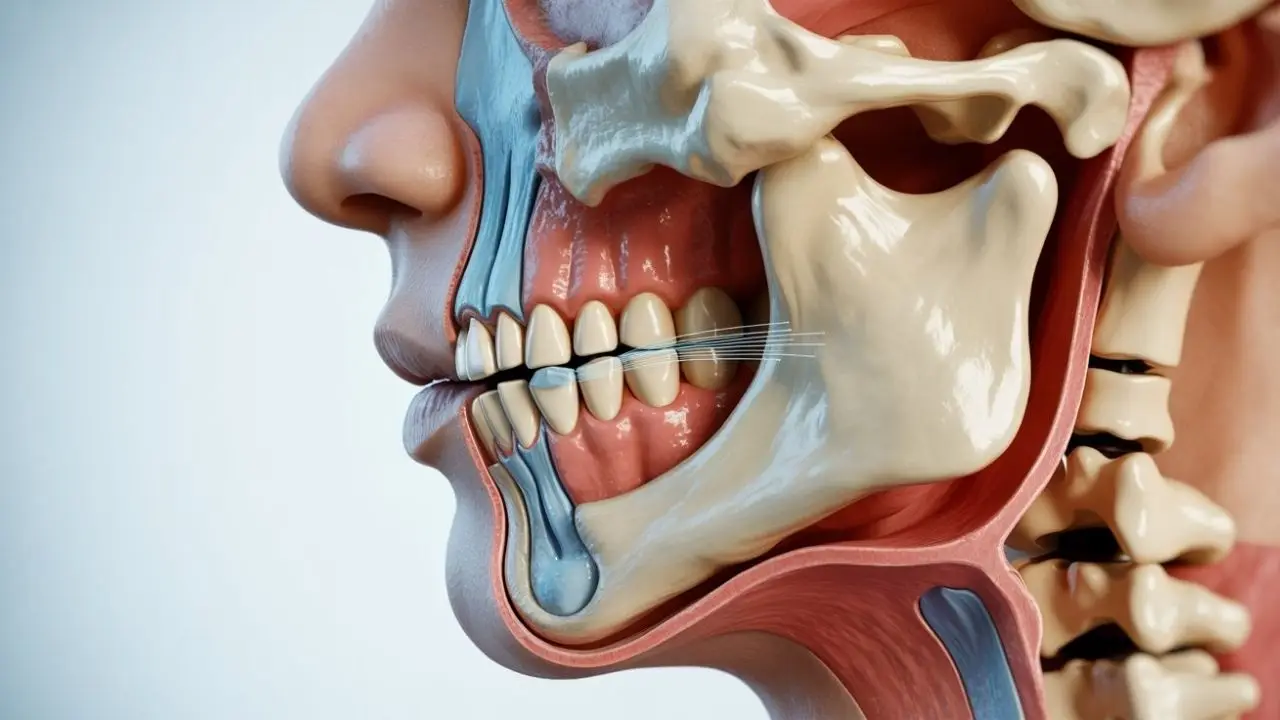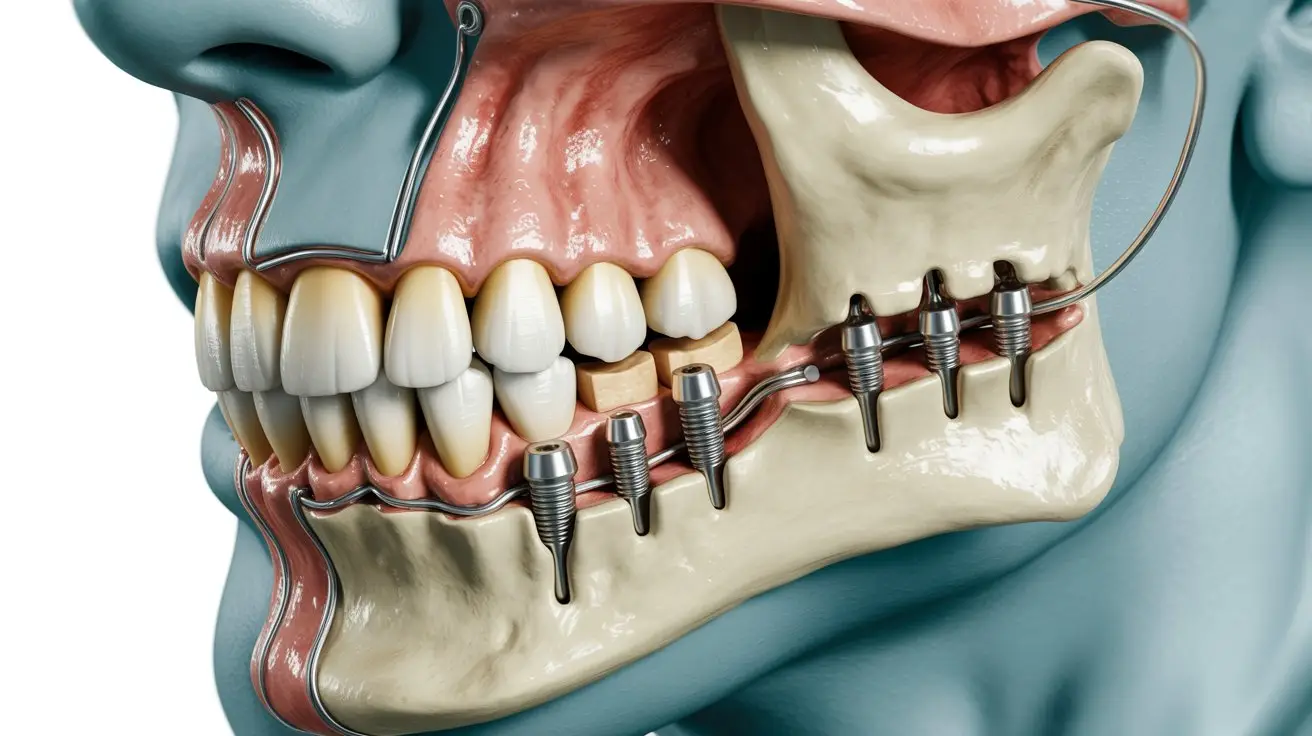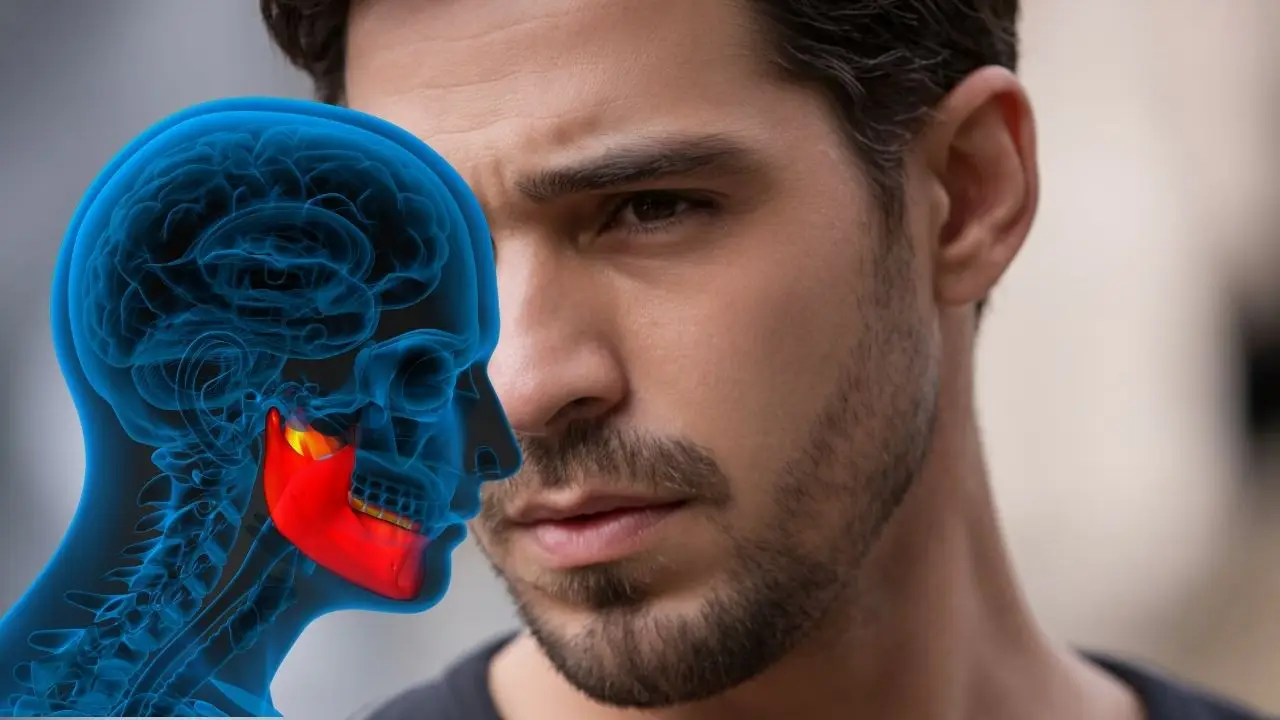
In recent years, the concept of “Forward Growth” to achieve a sharply defined jawline and a strong facial profile has gained massive popularity on social media. Many individuals seeking to achieve this aesthetic goal without surgery turn to “Mewing” (tongue posture exercises) and hard silicone chewing devices (jawline exercisers). While correcting tongue posture at an early age is highly beneficial, it is anatomically impossible to correct existing skeletal jaw retrusion in adulthood through exercises alone. For moderate to severe jaw retrusion, the permanent and true skeletal solution is provided by Orthognathic Surgery (Corrective Jaw Surgery).
What Are Mewing and Jawline Exercisers?
The fundamental logic behind these two socially popularized methods is as follows:
Mewing: Named after British orthodontist Dr. John Mew, this technique aims to establish proper resting mouth posture and nasal breathing by pressing the entire surface of the tongue flat against the roof of the mouth (the palate).
Jawline Exercisers (Jawliners): These are typically hard silicone bite blocks placed between the teeth. The goal is to induce hypertrophy (growth) in the chewing muscles (masseter) by repeatedly biting down on them against high resistance, thereby attempting to make the jawline more prominent.
During childhood and early adolescence—while facial bones are still actively growing—proper tongue posture (mewing) and nasal breathing are indeed critical for the healthy, forward development of the upper jaw. However, in adulthood, once bone growth has completely ceased and the cranial sutures have fused, there is no scientific evidence to support the claim that these exercises can alter the facial skeleton.
Why Do Jaw Exercises Fail to Create Skeletal Change in Adults?
A weak and retruded jaw profile (Retrognathia) is a structural issue concerning the bone, not the muscle. In adult individuals, the growth process has concluded.
Chewing hard silicone devices only enlarges the masseter muscle located on the sides of your face. Building muscle on top of a retruded jawbone does not pull your jaw forward (it does not create forward growth); instead, it merely makes the lower portion of your face appear wider, squarer, and heavier laterally. Because the actual length and angle of the bone remain unchanged, your side profile will remain retruded.
The TMJ Risks of Excessive Chewing Exercises
Chewing on hard silicone for hours every day to achieve a sharper jawline fundamentally violates the biomechanics of the jaw joint. The human Temporomandibular Joint (TMJ) is not designed to withstand continuous, excessively high resistance. The uncontrolled use of these products carries severe medical risks:
Crushing or displacing the cartilaginous articular disc within the joint.
The onset of clicking or popping sounds from the jaw and pain during chewing.
Severe wear, micro-fractures, and sensitivity in the tooth enamel.
Chronic tension headaches and neck pain.
True “Forward Growth”: Double Jaw Advancement Surgery
In adults where the jawbones are anatomically retruded, causing resulting respiratory, chewing, or aesthetic issues, the definitive scientific solution is Orthognathic Surgery.
For patients whose upper and lower jaws are set back relative to the rest of the face, Prof. Dr. Celal Çandırlı performs Bimaxillary (Double Jaw) Advancement surgery. Millimetrically designed using 3D Virtual Surgical Planning (VSP), this operation involves surgically freeing the upper jaw (maxilla) and lower jaw (mandible) and advancing them into their ideal positions to achieve the facial golden ratio.
Because this surgical intervention directly reconstructs the skeletal architecture rather than manipulating muscles, the aesthetic and functional results are immediate and last a lifetime.
Comparison: Mewing/Exercises vs. Orthognathic Surgery
| Feature | Jaw Exercises & Mewing (In Adults) | Double Jaw Advancement (Orthognathic Surgery) |
| Target Tissue | Targets only the chewing (masseter) muscles and posture. | Directly targets and alters the jawbones (the skeleton). |
| Skeletal Change | Does not change bone position or length in adults. | Bones are surgically advanced (True ‘forward growth’). |
| Effect on Facial Aesthetics | May widen the face laterally due to muscle growth. | Balances the profile forward, defining the chin and tightening the neck/double chin area. |
| Effect on Respiration | Encourages nasal breathing but cannot fix structural narrowing. | Advancing the jaws permanently expands the posterior airway (treating sleep apnea). |
| TMJ (Joint) Effect | Applying excessive resistance risks joint health and cartilage. | Relieves uneven pressure on the joint by establishing a flawless dental bite. |
Frequently Asked Questions (FAQ)
Does Mewing work for children?
Yes. During childhood, when bone development is highly active, correct swallowing, resting the tongue on the palate (mewing posture), and nasal breathing are of critical importance for the healthy and broad growth of the upper jaw. At these ages, posture exercises (myofunctional therapy) guided by orthodontists positively and significantly contribute to skeletal development.
Will jawline exercisers define my jawline?
If your body fat percentage is very low and your jawbone is already in a normal position, these devices might slightly define your masseter muscle. However, if your jawbone is skeletally retruded, using these devices will not extend your jaw forward. On the contrary, excessive use has a high probability of permanently damaging your teeth and your jaw joint (TMJ).
Will jaw advancement surgery (Orthognathic Surgery) leave scars?
No. All orthognathic surgical procedures are performed entirely intraorally (inside the mouth, through the gums). Therefore, there will be no visible surgical incisions or scars on your face or neck from the outside.
To scientifically determine the root cause of the jaw retrusion in your facial profile and to evaluate the most appropriate treatment alternatives guided by 3D analysis, you can schedule a specialist consultation at the Prof. Dr. Celal Çandırlı clinic.