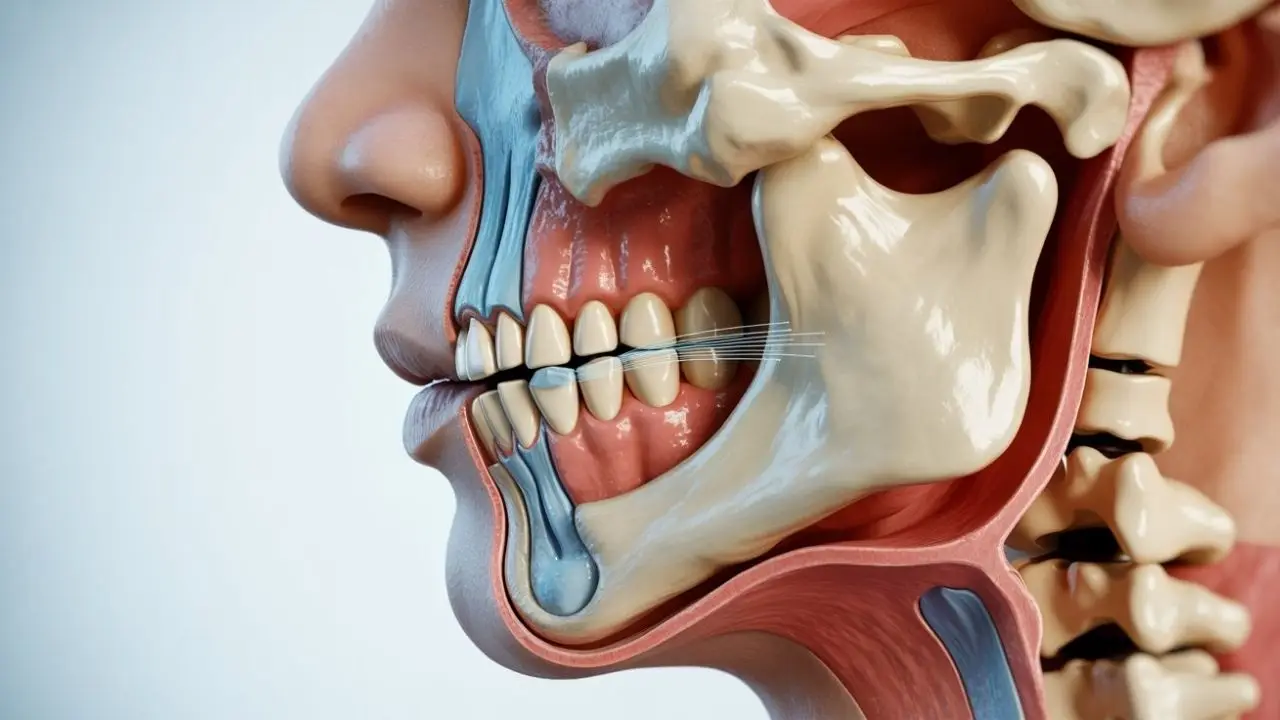
A retruded and undefined chin in your side profile is one of the most prominent factors disrupting facial aesthetic balance. To correct a weak chin (Micrognathia/Retrognathia), two different surgical methods are currently applied: Chin Implants (Silicone, Medpor, etc.) placed over the bone, and Genioplasty (Bone Advancement Surgery), where the patient’s own jawbone is moved forward. The correct treatment choice should be determined by an expert maxillofacial surgeon based on the severity of the chin retrusion, the vertical height of the face, and the patient’s expectations for permanence.
What Are Chin Implants (Silicone, Medpor) and When Are They Used?
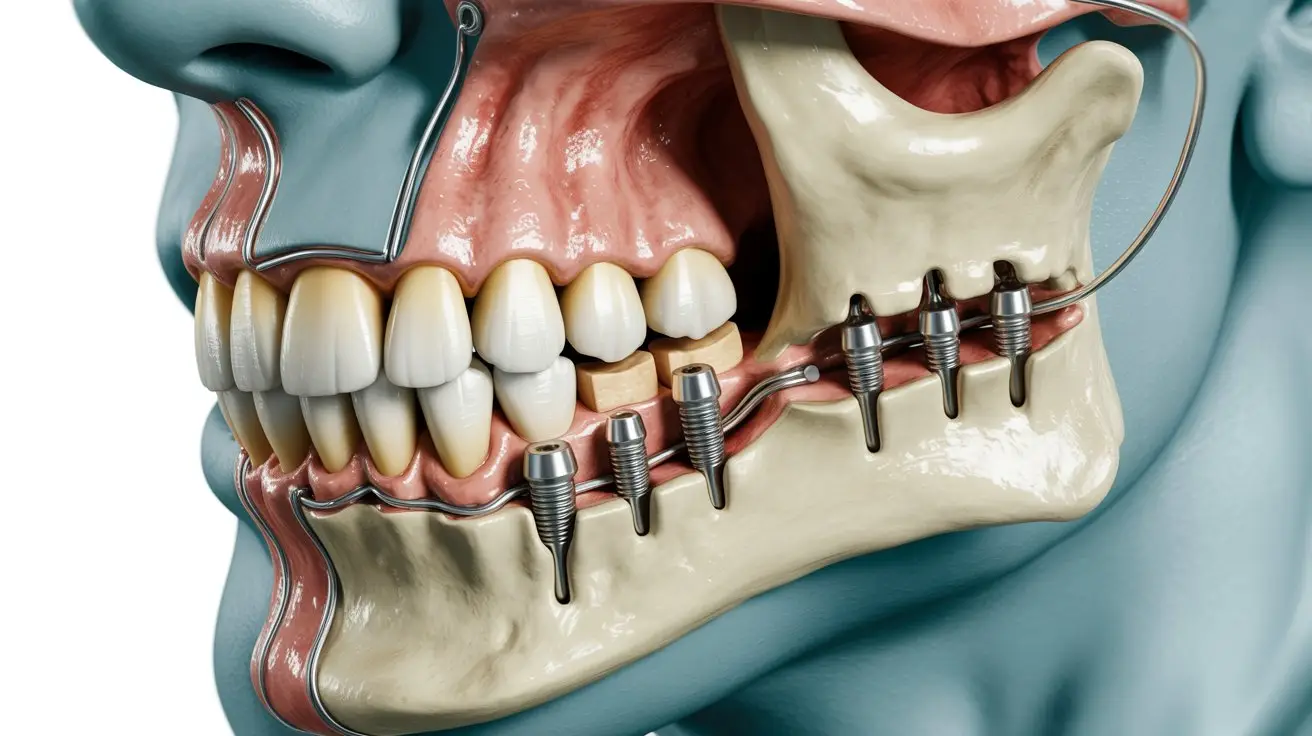
Chin implants are medical materials placed directly over the bone (under the muscle) to augment and volumize the chin. These are relatively shorter aesthetic procedures, usually performed under local or general anesthesia, that do not require cutting the bone.
These implants can yield successful aesthetic results only in very mild cases of chin retrusion and if the patient’s vertical facial height (the downward length of the chin) is already ideal. However, if the issue is a pronounced skeletal retrusion, chin implants have certain biomechanical and long-term medical limitations.
Potential Disadvantages of Chin Implants and the Risk of Bone Resorption
The chin muscles (Mentalis muscle) are among the most active and powerful muscle groups in our face, constantly working when we speak, smile, and close our lips.
If a large silicone implant is placed on the chin, these strong muscles continuously push the implant against the underlying jawbone. Over the years, this chronic pressure and friction can trigger a condition known in medical literature as “Bone Resorption” (Bone Erosion). In other words, the bone tissue wears away and melts over time due to the applied mechanical pressure. In advanced implant-induced bone resorption, there is a risk of the implant pressing on the tooth roots (apex) or the lower lip nerve (mental nerve).
Furthermore, because silicone implants are foreign objects, they carry (albeit rarely) risks of rejection by the body, infection, or shifting out of place (causing asymmetry) due to trauma or capsule formation.
The Permanent and Biological Solution: Genioplasty (Bone Advancement)
The way to permanently correct a retruded chin profile without using a foreign material, utilizing 100% of the patient’s own natural tissue, is Sliding Genioplasty surgery. Considered the “gold standard” in lower face contouring, this procedure directly repairs and enhances the skeletal architecture.
In the Genioplasty procedure performed by Prof. Dr. Celal Çandırlı, the bone tissue at the tip of the chin is millimetrically freed using special surgical saws. The cut, living bone is slid forward (and downward, if necessary) to its ideal position—determined by 3D planning—and secured with miniature biocompatible titanium plates. Just as a broken bone heals and strengthens, the gap in between fills with the patient’s new, solid bone tissue within a few months.
Comparison: Chin Implant vs. Genioplasty
When deciding which method is the right permanent solution for you, you can review the differences between the two techniques in the table below:
| Feature | Chin Implant (Silicone / Medpor, etc.) | Genioplasty (Bone Advancement Surgery) |
| Material Used | A foreign, synthetic material. | 100% the patient’s own living jawbone. |
| Volumizing (3D Movement) | Can only push the chin forward. | Can move the chin forward, downward (to lengthen), or upward (to shorten). |
| Bone Resorption Risk | Carries a long-term risk of bone erosion due to chronic muscle pressure. | Zero. On the contrary, the cut bone heals to provide natural structural integrity. |
| Risk of Shifting or Asymmetry | Can shift out of place due to trauma or capsule formation. | Lifelong and permanent as the bone fuses; it cannot shift or move. |
| Effect on Airway | Provides only aesthetic volume. | Advancing the chin bone also pulls the tongue base muscles forward, easing respiration (airway). |
Who Are the Ideal Candidates for Genioplasty?
Genioplasty surgery is ideal for patients seeking aesthetic perfection while actively avoiding the long-term risks associated with foreign bodies. You are a highly suitable candidate for Genioplasty if:
You have a pronounced chin retrusion (Retrognathia).
Your chin is not only retruded but also vertically too short (Implants cannot provide vertical lengthening; Genioplasty can).
You have had a chin implant (silicone) placed in the past but wish to have it removed and corrected with your natural bone (revision surgery) due to issues like shifting, infection, or bone resorption.
Your chin is asymmetrical (During Genioplasty, asymmetry can be perfectly corrected by shaving or shifting the bone exactly to the facial midline).
3D Virtual Surgical Planning (VSP) and the Recovery Process
Before the operation, Prof. Dr. Celal Çandırlı plans the Genioplasty surgery millimetrically in a digital environment using 3D Cone Beam Computed Tomography (CBCT) and Virtual Surgical Planning (VSP). Exactly how many millimeters the bone will be slid forward and downward is precisely determined beforehand to achieve the golden ratio.
Because the entire surgical procedure is performed intraorally (behind the lower lip, inside the mouth), there are absolutely no incisions or scars left on your face or under your chin. Genioplasty has a much faster and more comfortable recovery process compared to other major jaw surgeries (orthognathic surgery). Patients are generally able to return to their normal social and professional lives 7 to 10 days after the operation.
To achieve an aesthetic, permanent, and strong jawline using the natural strength of your own bone, and to establish your treatment plan guided by 3D analysis, you can schedule a specialist consultation at the Prof. Dr. Celal Çandırlı clinic.