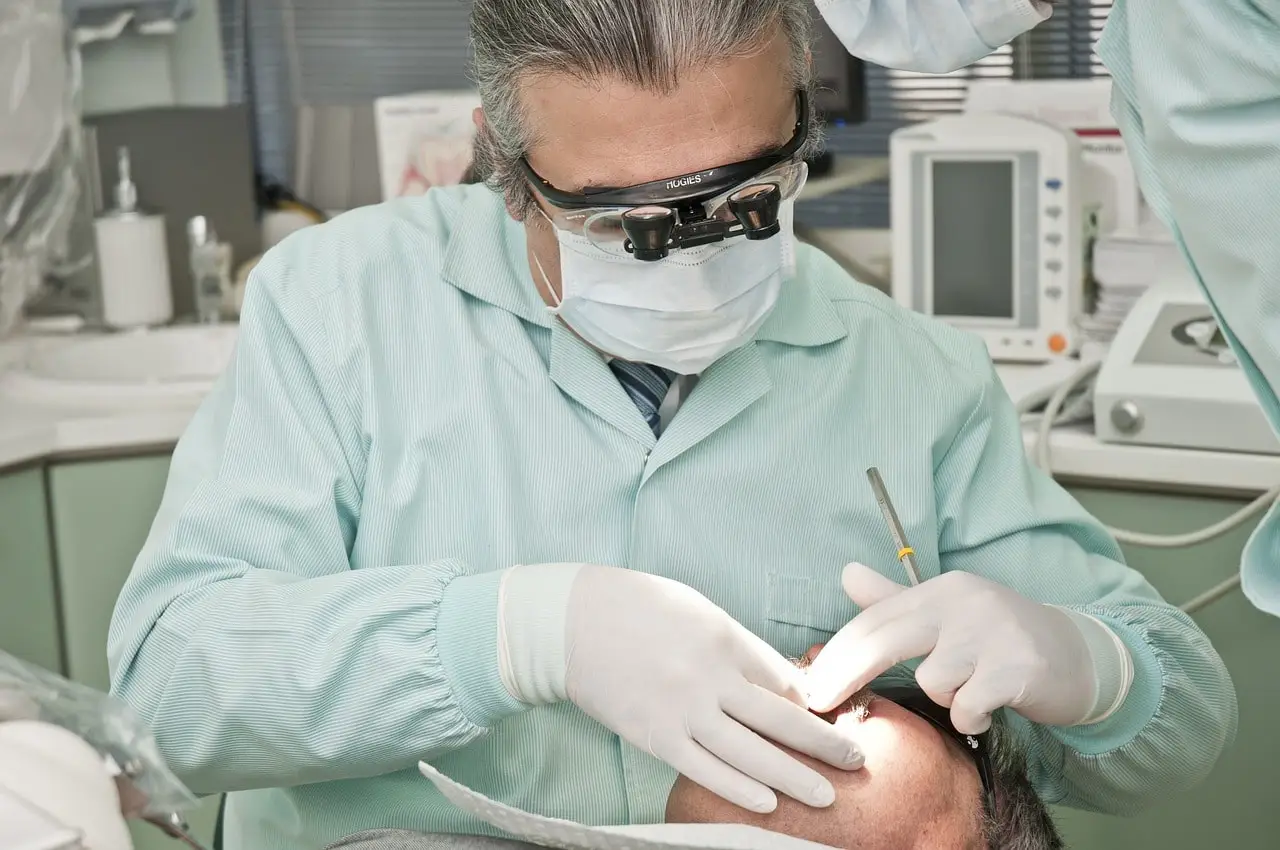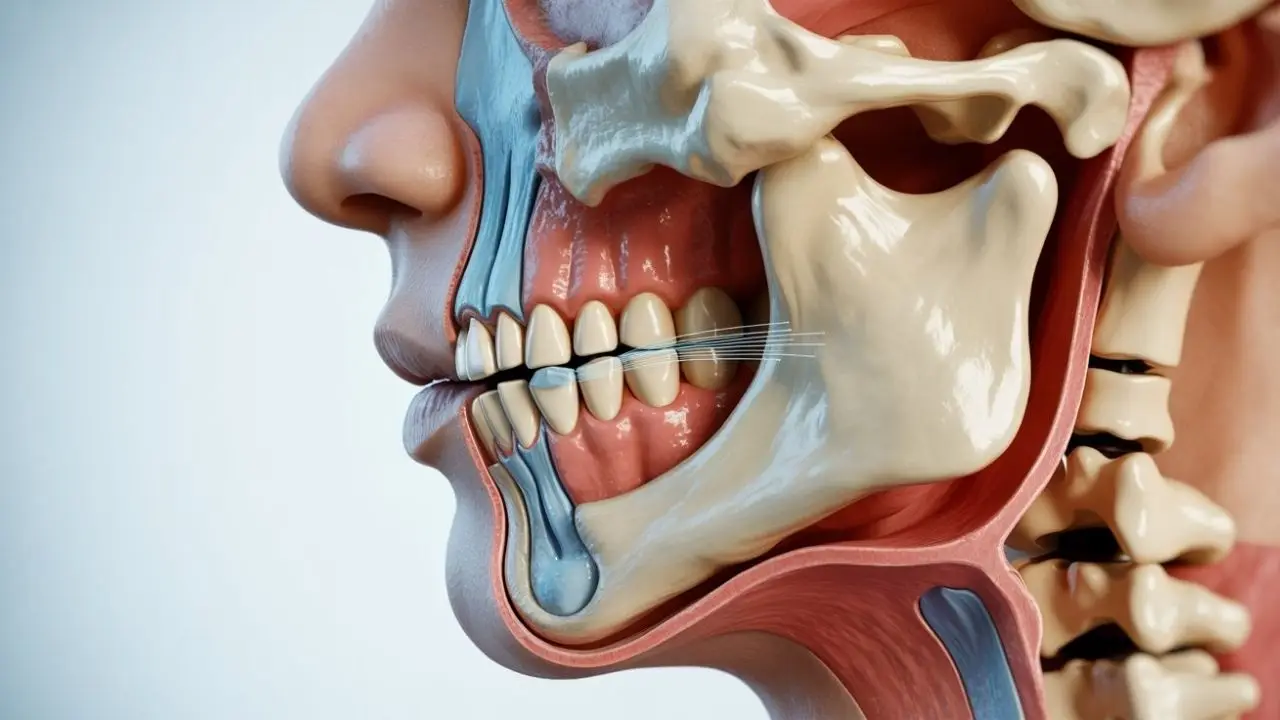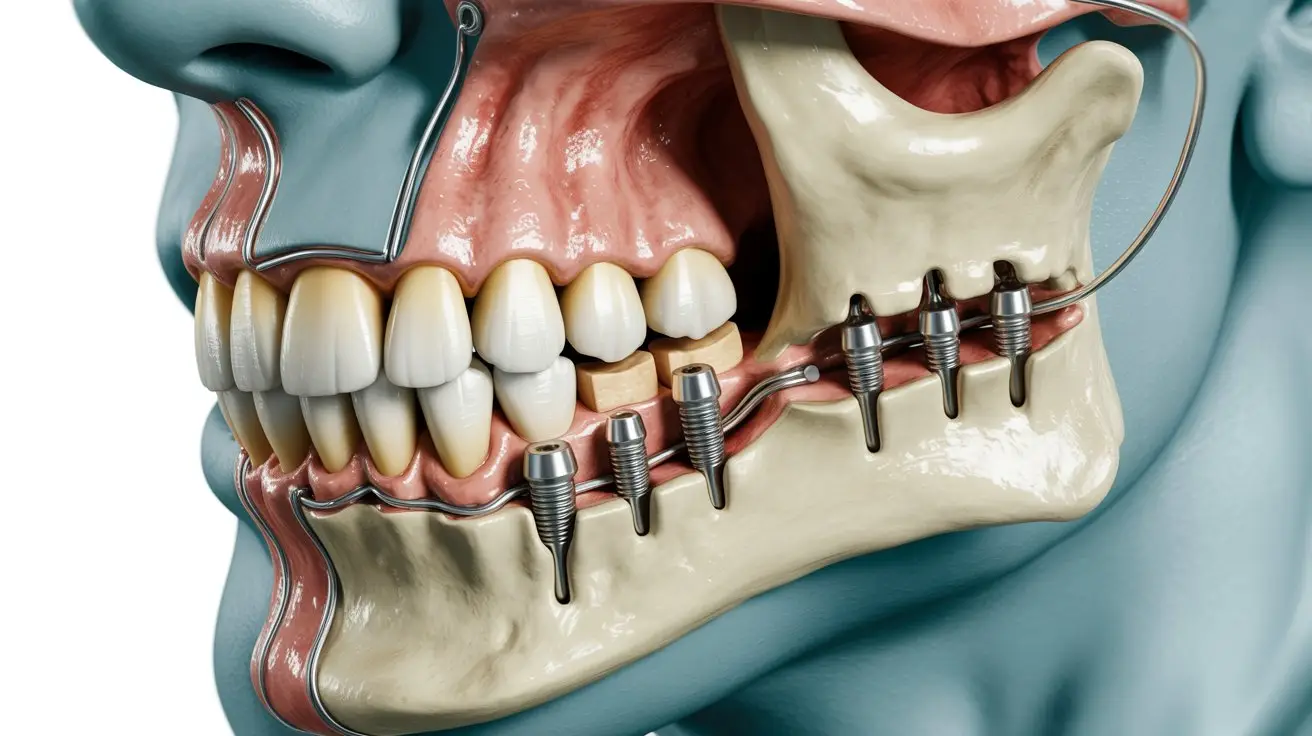
While the human face is never perfectly symmetrical by nature, a condition where the upper and lower jawbones noticeably shift to the right or left of the facial midline is known as “Jaw Asymmetry.” This condition is not solely an aesthetic concern; it directly impacts your dental bite (occlusion) and joint health. Although dermal fillers (camouflage) can provide aesthetic balance in mild cases, prominent skeletal asymmetries require Orthognathic Surgery (Corrective Jaw Surgery) for a permanent and functional solution.
What Causes Jaw Asymmetry?
The root cause of facial asymmetry usually lies in discrepancies during the growth and developmental phases of the jawbones. This asymmetry can be congenital (present from birth) or acquired later in life. The primary causes include:
Developmental Differences: During the growth phase, if one side of the jaw joint (the condyle) grows more or less than the other side (Condylar Hyperplasia/Hypoplasia), it causes the jaw to deviate to one side.
Previous Facial Traumas: Blows to the jaw or unnoticed micro-fractures during childhood can affect the growth center in that region, leading to significant asymmetry over the years.
Chewing Habits and Missing Teeth: Consistently chewing on only one side or failing to replace teeth lost at an early age can lead to inequalities in the jaw muscles and subsequent bone development.
Genetic Factors: Individuals with a family history of jaw structure abnormalities have a higher probability of presenting with skeletal asymmetry.
Are Dermal Fillers Enough for Jaw Asymmetry?
For patients presenting with jaw asymmetry, it is crucial to first diagnose whether the issue stems merely from soft tissue (muscle/fat distribution) or from the underlying skeleton.
If the asymmetry is very mild, medical aesthetic procedures (jawline fillers) applied to the retruded or less voluminous side can provide a successful “aesthetic camouflage.” However, if the asymmetry is at the bone level and visibly prominent, relying on fillers has significant clinical limitations:
Temporary Effect: Hyaluronic acid-based fillers are absorbed by the body in an average of 8 to 12 months, requiring the procedure to be constantly repeated.
Increased Facial Volume: When the skeleton is crooked, injecting dense fillers into the deficient side just to make the chin look centered increases the total volume of the lower face. This can make the face appear much wider, heavier, and disproportionate.
Functional Ineffectiveness: Fillers only add volume beneath the skin. They cannot treat the crossbite (teeth failing to meet correctly) or the Temporomandibular Joint (TMJ) pain that develops as a result of the asymmetry.
Orthognathic Surgery (Jaw Surgery) for Skeletal Jaw Asymmetry
For noticeable jaw deviations, achieving permanent aesthetic and functional harmony requires moving the bones into their correct anatomical positions. Prof. Dr. Celal Çandırlı performs advanced Orthognathic Surgery to permanently realign the facial skeleton.
The treatment process begins by mapping the face down to the millimeter using 3D Cone Beam Computed Tomography (CBCT). Utilizing Virtual Surgical Planning (VSP), the jawbones that have shifted to the right or left are digitally realigned to the exact midline of the face. During the surgery (typically using BSSO or Le Fort I techniques), the bones are moved to this planned, ideal position and securely fixed with biocompatible titanium plates.
Comparison: Filler Camouflage vs. Jaw Surgery
| Feature | Medical Aesthetics (Jaw Fillers) | Orthognathic Surgery (Jaw Surgery) |
| Indication (Ideal Use) | Mild soft tissue and volume discrepancies. | Moderate to severe skeletal (bone) jaw deviations. |
| Longevity | Lasts an average of 8 to 12 months; must be repeated. | Results are lifelong as the bone is permanently repositioned. |
| Effect on Facial Volume | Expands the face by adding artificial volume to the narrower side. | Preserves the face’s natural contours and slimness by balancing the skeleton. |
| Functional Benefit | Merely masks the aesthetic appearance. | Treats chewing, respiratory, and dental bite (occlusion) issues. |
Frequently Asked Questions (FAQ)
Can jaw asymmetry be fixed without surgery?
If the source of your asymmetry is a minor shift in tooth alignment, it can be corrected with orthodontics (braces) alone; if it is a mild soft tissue deficiency, fillers may suffice. However, if your jawbone has anatomically grown or shifted to one side, non-surgical methods will not solve the problem—they will only temporarily hide it. Permanent structural correction is only possible through surgery.
Will jaw asymmetry surgery leave a scar on my face?
No. Orthognathic surgical procedures are performed intraorally (inside the mouth, through the gums). Therefore, there will be no visible surgical scars or stitch marks on your face, cheeks, or jawline from the outside.
Will I need to wear braces before the surgery?
Yes, it is generally required. When the jawbones are moved to the facial midline during surgery, your upper and lower teeth must fit together perfectly in this new position. To ensure this, orthodontic treatment (braces or clear aligners) is applied both before and after the surgery.
What happens if a deviated jaw is left untreated?
Jaw asymmetry is not just a visual issue. In an asymmetrical jaw, the chewing force is not distributed equally to both sides. Over the years, this imbalance can cause cartilage wear in the jaw joint (Temporomandibular Joint – TMJ), chronic jaw pain, and abnormal, unilateral wear on the teeth.
To scientifically determine the source of your facial asymmetry and to establish your permanent treatment plan using 3D analysis, you can schedule a specialist consultation at the Prof. Dr. Celal Çandırlı clinic.