If you have struggled for years to breathe comfortably through your nose, sleep with your mouth open at night, and wake up feeling exhausted, you might assume the problem lies solely within your nasal cartilage (septum). For nasal congestion, Septoplasty (cartilage surgery) is the first and most common line of treatment. However, if you have undergone multiple nasal surgeries and your shortness of breath persists, the root of the problem may not be soft tissue or cartilage; it could be a “skeletal” anatomical issue, such as a narrow upper jaw (maxillary constriction) or a receding lower jaw.
Why Does Nasal Surgery (Septoplasty) Sometimes Fall Short?
Septoplasty and turbinate radiofrequency (turbinate reduction) procedures are highly successful in addressing localized deviations and swelling within the nasal cavity. However, if the cause of the obstruction is a structurally narrow skeletal framework, merely altering the soft tissue or cartilage will not provide complete or lasting relief.
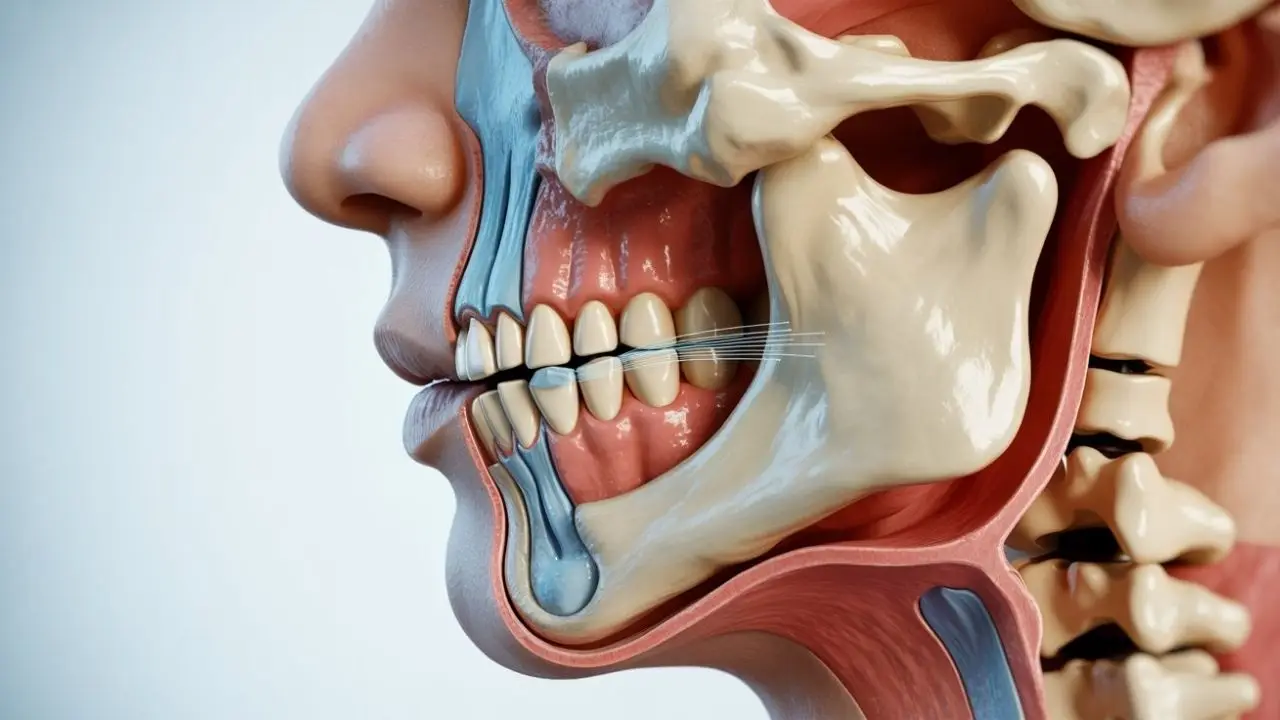
In human anatomy, your upper jawbone (Maxilla) forms your palate. Your palate, in turn, is the floor of your nasal cavity. If your upper jaw has developmentally formed into a narrow “V” shape, the internal volume of your nose (the airway corridor) is physically constricted. While straightening the cartilage inside this narrow bony tunnel might slightly improve air intake, the underlying skeletal constriction remains, causing patients to continue struggling to breathe at full capacity.
Lower Jaw Retrusion and Tongue Base Obstruction
Another skeletal cause of respiratory distress is the backward positioning of the lower jaw (Retrognathia). If your lower jaw is retruded, your tongue—which is attached to it—is unavoidably pushed backward toward your throat. When you fall asleep and your muscles relax, this large mass of the tongue falls directly over your windpipe.
Even if your nasal passages are completely clear, as long as your lower airway is obstructed by the base of your tongue, you cannot take a healthy breath. Consequently, you will continue to face severe issues such as chronic snoring and Obstructive Sleep Apnea (OSA).
The Effects of Chronic Mouth Breathing on Facial Anatomy
Constantly breathing through the mouth due to chronic nasal congestion affects not only respiration but also the development of the facial skeleton. Chronic mouth breathing, especially when it begins in childhood or adolescence, leads to a specific facial appearance known in medical literature as “Adenoid Face” (Long Face Syndrome):
Narrowing of the upper jaw and a V-shaped palatal vault.
Flattening of the cheekbones and vertical elongation of the face.
Downward and backward growth of the lower jaw, resulting in a sagging double chin.
Morning headaches and chronic fatigue due to insufficient oxygenation.
The Definitive Skeletal Solution: Orthognathic Surgery and Jaw Expansion
If the cause of your chronic shortness of breath and sleep apnea is a narrow or retruded jaw skeleton, the only permanent medical solution is to surgically restore these bones to their ideal form and volume. Prof. Dr. Celal Çandırlı diagnoses these skeletal obstructions and applies advanced maxillofacial procedures to permanently expand the airway:
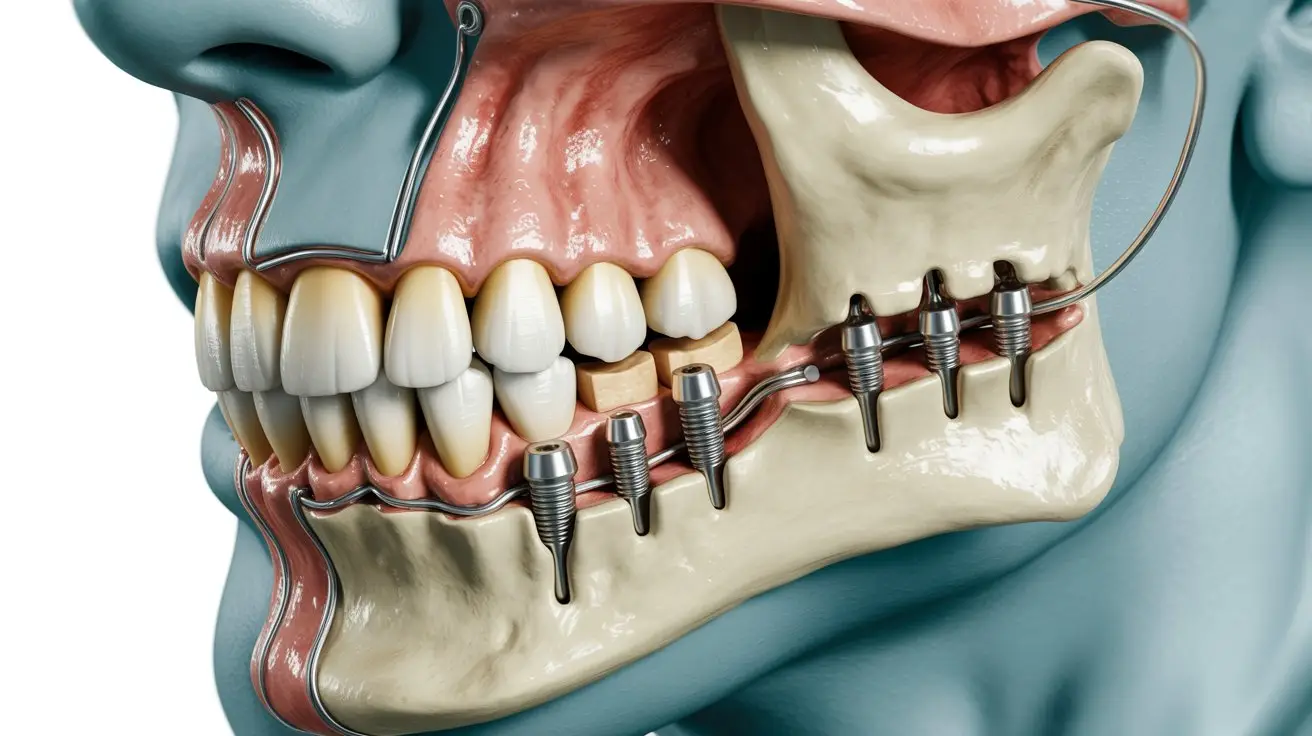
Surgically Assisted Rapid Palatal Expansion (SARPE): If the problem is strictly upper jaw narrowness (a narrow nasal floor), the palate is surgically expanded. This procedure millimetrically widens the floor of the nasal cavity, dramatically increasing the nasal airway volume.
Maxillomandibular Advancement (MMA) Surgery: If lower jaw retrusion is obstructing the windpipe, both the upper and lower jawbones are moved forward using orthognathic surgery. This completely liberates the airway, providing a permanent cure for snoring and sleep apnea.
Comparison: Cartilage Surgery (Septoplasty) vs. Skeletal Surgery (Jaw Surgery)
| Feature | Septoplasty (Intranasal Surgery) | Orthognathic Surgery & Expansion |
| Treatment Target | Intranasal cartilage (septum) deviation and soft tissues. | The skeletal foundation (bone) that constitutes the narrowed airway. |
| Effect on Airway Volume | Removes obstacles within the existing narrow skeleton. | Increases total respiratory volume by physically expanding the nasal floor and throat. |
| Sleep Apnea (Tongue Base Obstruction) | Has no effect on the lower airway or the base of the tongue. | Treats sleep apnea by advancing the jaw and pulling the tongue base forward. |
| Effect on Facial Profile | Makes no noticeable skeletal changes to the external facial appearance. | Aesthetically balances the facial profile by advancing/expanding the jaws. |
Frequently Asked Questions (FAQ)
I have had nasal surgery (septoplasty) before, but my nose is still blocked. Is jaw surgery right for me?
If your nasal congestion persists despite having multiple soft tissue or cartilage surgeries, there is a very high probability that your problem originates from the skeletal narrowness of your upper jaw (the nasal floor). Jaw expansion surgeries yield highly successful and permanent results for this type of resistant skeletal constriction.
How can I tell if my shortness of breath is caused by cartilage or my jaw?
A definitive diagnosis requires an Airway Analysis utilizing 3D Cone Beam Computed Tomography (CBCT). This technology measures the volume of your airway down to the millimeter and precisely identifies the exact anatomical region (cartilage, palate, or tongue base) where the obstruction is located.
Will jaw expansion or advancement surgery leave scars on my face?
No. All SARPE or orthognathic surgical procedures performed to skeletally expand the airway are conducted entirely intraorally (inside the mouth). There will be no visible surgical incisions or scars on your face or neck from the outside.
What is the recovery process like after surgery?
It is normal to experience edema (swelling) in the facial region during the first week after surgery. However, due to the dramatic expansion of the airway, many patients report feeling that they are taking in a much higher volume of oxygen from the very first day, even while swelling is present. Generally, patients can return to their normal social and professional lives within 10 to 14 days.
To identify the root cause of your chronic, unresolved respiratory problems using 3D tomography and to learn about your personalized skeletal treatment plan, you can schedule a specialist consultation at the Prof. Dr. Celal Çandırlı clinic.