- Jaw Development Problems in Adolescents
- Who is Affected and Common Causes
- Benefits of Early Orthognathic Intervention
- The Treatment Process
- Potential Risks and Considerations
- Frequently Asked Questions
- Conclusion
Important Notice: This article is for general informational purposes only. Diagnosis and treatment planning require a specialist medical evaluation. Every patient’s bone structure, overall health, and treatment needs are unique.
Jaw development issues in adolescents can significantly impact facial harmony, chewing function, and self-confidence. These problems often arise during growth spurts, leading to misaligned jaws that affect daily life. In this article, we explore common jaw issues in teens, the role of early orthognathic intervention, and how Prof. Dr. Celal Candirli’s expertise in maxillofacial surgery can guide personalized assessments.
With over 20 years of experience in oral and maxillofacial surgery, including training at NHS Poole Hospital and Newcastle Freeman Hospital in the UK, Prof. Dr. Celal Candirli specializes in addressing these concerns through tailored approaches.
Jaw Development Problems in Adolescents
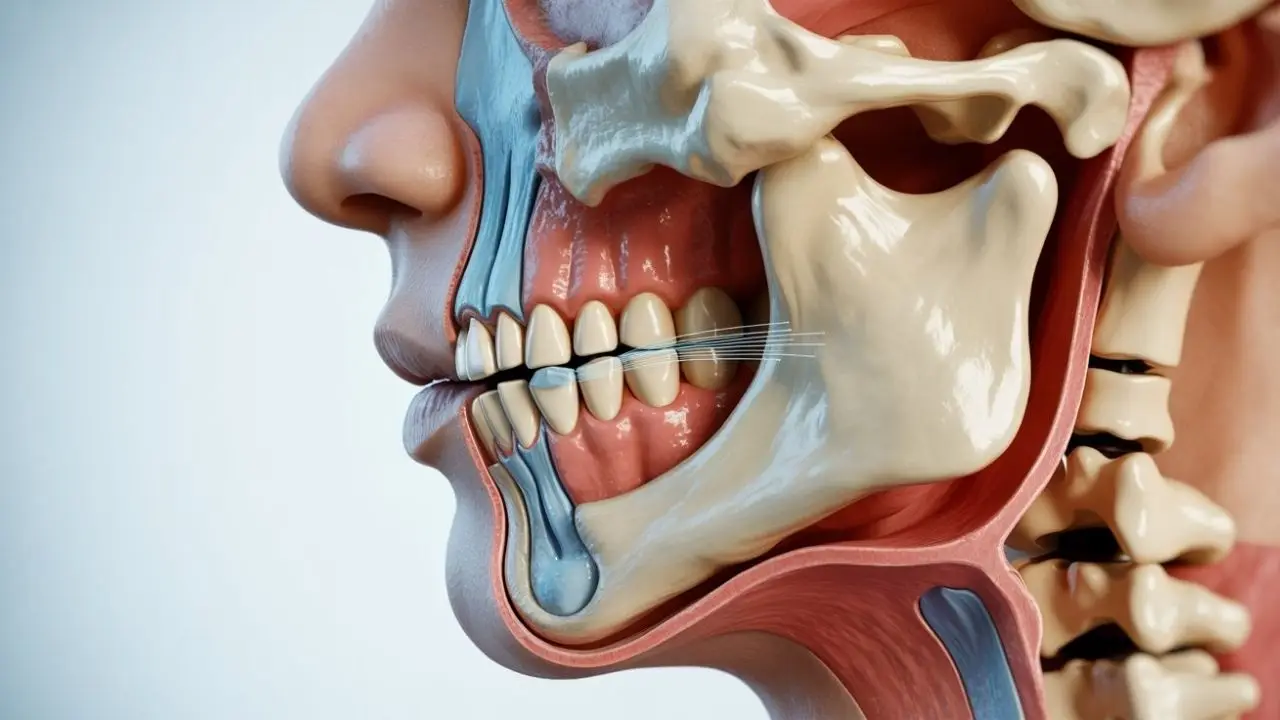
Jaw development issues in adolescents typically involve imbalances in the upper or lower jaw growth. This can result in conditions like underbite (prognathism) or overbite (retrognathism), where the jaws do not align properly. Such problems may stem from genetics, habits like thumb-sucking, or injuries during childhood.
These issues can lead to difficulties in speaking, eating, and breathing. Early detection through dental check-ups is crucial to prevent worsening over time.
Who is Affected and Common Causes
Teens aged 13-18 are commonly affected as their facial bones are still developing. Factors include hereditary traits, hormonal changes during puberty, or environmental influences like poor nutrition.
- Genetic predisposition: Family history of jaw misalignment.
- Trauma: Injuries from sports or accidents.
- Habits: Prolonged use of pacifiers or mouth breathing.
Not everyone with these causes will develop severe issues, but monitoring growth is essential.
Benefits of Early Orthognathic Intervention
Early orthognathic intervention, or jaw correction surgery, can address these problems before they become more complex in adulthood. It improves facial aesthetics, bite function, and overall quality of life.
| Benefit | Description |
|---|---|
| Improved Functionality | Enhances chewing and speech, reducing strain on teeth and joints. |
| Psychological Boost | Boosts self-esteem by correcting visible asymmetries during formative years. |
| Preventive Care | Avoids complications like temporomandibular joint (TMJ) disorders later in life. |
Prof. Dr. Celal Candirli emphasizes personalized planning using 3D imaging for optimal outcomes.
The Treatment Process
The process begins with a thorough evaluation, including X-rays and clinical exams. Orthodontic preparation often precedes surgery to align teeth properly.
- Consultation and diagnosis.
- Pre-surgical orthodontics (braces for 12-18 months).
- Surgical intervention under general anesthesia.
- Post-operative recovery and follow-up.
Recovery typically involves a few weeks of swelling management, with full results visible in months.
Potential Risks and Considerations
Like any surgery, orthognathic intervention carries risks such as infection, nerve sensitivity, or prolonged healing. However, with experienced surgeons like Prof. Dr. Celal Candirli, these are minimized through detailed planning.
It’s not suitable for everyone; factors like overall health and growth stage must be assessed. Always prioritize a specialist consultation to weigh options.
Frequently Asked Questions
What are common signs of jaw development issues in teens?
Signs include difficulty chewing, facial asymmetry, or frequent headaches. A dental professional can identify these through exams.
Is early orthognathic intervention always necessary?
Not always; milder cases may resolve with orthodontics alone. A specialist evaluation determines the best approach.
How long is the recovery after jaw surgery?
Initial recovery takes 2-4 weeks, with full healing in 3-6 months. Pain is managed with medication.
Can jaw issues in adolescents affect breathing?
Yes, misaligned jaws may lead to sleep apnea or mouth breathing. Early intervention can improve airway function.
What age is ideal for orthognathic surgery in teens?
Typically after growth spurts, around 16-18 years, but it depends on individual development.
Does insurance cover early orthognathic intervention?
Coverage varies; functional issues are more likely to be covered than cosmetic ones. Check with your provider.
Conclusion
Addressing jaw development issues in adolescents through early orthognathic intervention can lead to better functional and aesthetic outcomes. With Prof. Dr. Celal Candirli’s over 20 years of expertise and international training at NHS Poole Hospital and Newcastle Freeman Hospital, patients receive comprehensive, personalized care. Remember, individual assessments are key to determining the right path.
WhatsApp’tan Randevu Al 💬
Follow Prof. Dr. Celal Candirli on Instagram
Author Information
This content is prepared for informational purposes based on the expertise of Prof. Dr. Celal Candirli, who has over 20 years of experience in oral and maxillofacial surgery. With training at NHS Poole Hospital and Newcastle Freeman Hospital in the UK, he specializes in jaw and facial surgery and advanced implant procedures.
Disclaimer: This content does not replace medical advice. Diagnosis, treatment, and surgical planning require a specialist medical examination. Each patient’s treatment process may vary based on personal health, clinical examination, and imaging results.