Table of Contents
- What is Facial Asymmetry and Is It Normal?
- Main Causes of Facial Asymmetry
- Symptoms of Facial Asymmetry and When to Take It Seriously
- Treatment Options for Facial Asymmetry
- Correcting Facial Asymmetry with Orthognathic Surgery
- Treatment Process and Recovery
- Frequently Asked Questions
- Conclusion
Important Disclaimer: This article is for general informational purposes only. Facial asymmetry treatment must be planned individually. Please consult an experienced maxillofacial surgeon for a detailed evaluation and personalized treatment plan.
1. What is Facial Asymmetry and Is It Normal?
Everyone has some degree of facial asymmetry. However, in some people, this asymmetry becomes more noticeable and can cause both aesthetic concerns and functional problems such as difficulty chewing, jaw joint pain, or breathing issues.
Prof. Dr. Celal Çandırlı is one of Turkey’s leading experts in facial asymmetry correction, successfully treating both mild and severe cases.
2. Main Causes of Facial Asymmetry
- Genetic and developmental differences in jaw growth
- Orthognathic problems (mismatch between upper and lower jaws)
- Childhood trauma or untreated fractures
- Temporomandibular Joint (TMJ) disorders
- Long-term one-sided chewing habits
- Tooth loss and jawbone resorption
- Complications from previous surgeries
3. Symptoms of Facial Asymmetry and When to Take It Seriously
– One side of the face appears flatter or more sunken
– Chin is off-center
– One side of the smile is lower than the other
– Noticeable bite problems
– Jaw joint pain, clicking, or locking
– Breathing or sleep difficulties
If you have several of these symptoms, a professional evaluation is recommended.
4. Treatment Options for Facial Asymmetry
Treatment varies depending on the severity:
– **Mild cases:** Dermal fillers, Botox, or fat grafting
– **Moderate cases:** Chin implant or sliding genioplasty
– **Severe cases:** Orthognathic surgery (jaw repositioning)
– **Combined treatments:** Implants + orthognathic surgery + soft tissue procedures
Prof. Dr. Celal Çandırlı uses advanced 3D digital planning to achieve the most natural and long-lasting results.
5. Correcting Facial Asymmetry with Orthognathic Surgery
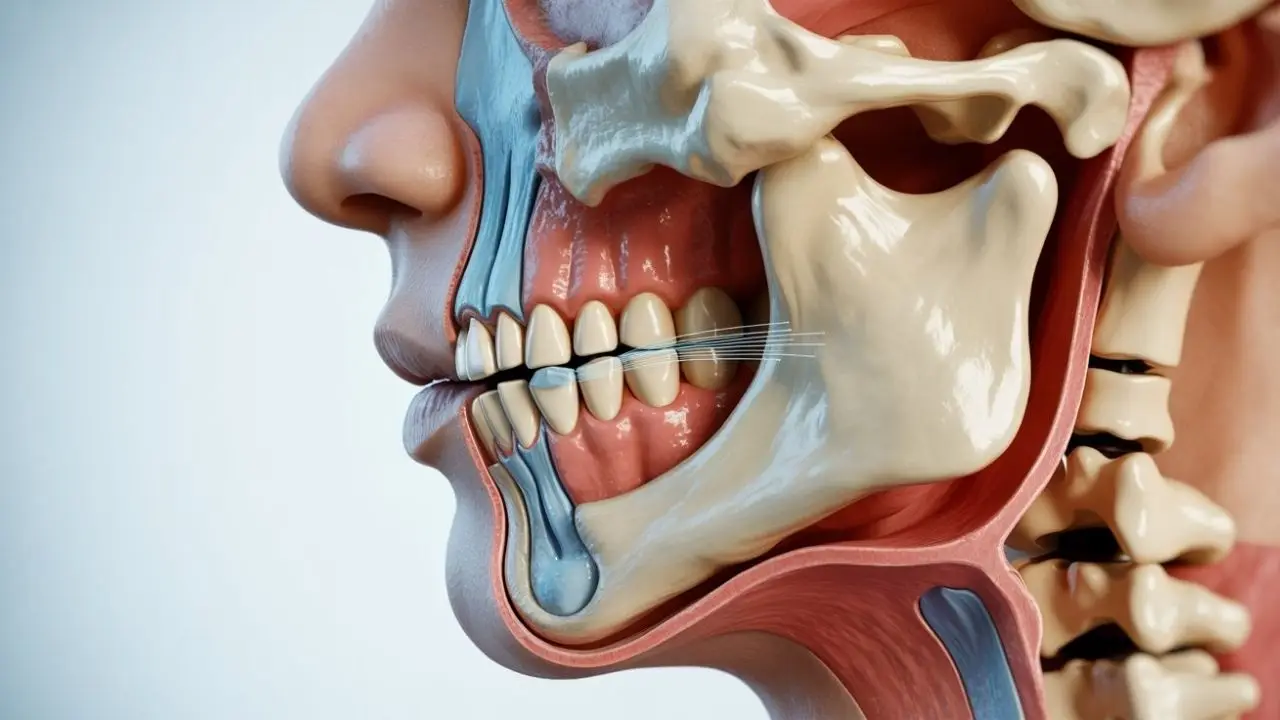
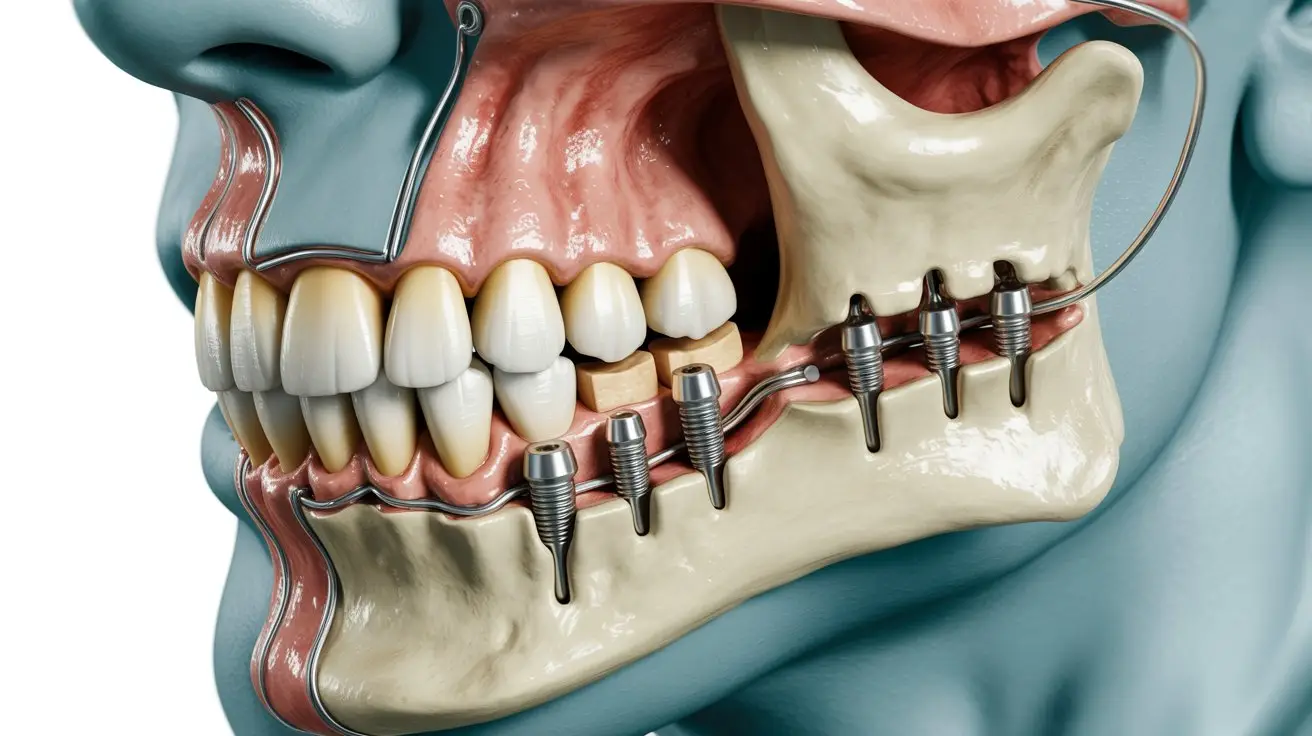
One of the most effective methods is orthognathic surgery. In this procedure, the upper and/or lower jaw is moved to the ideal position. This provides both functional improvement and significant enhancement in facial symmetry. Patients often achieve a much more balanced and harmonious facial profile.
6. Treatment Process and Recovery
– Pre-surgical detailed 3D planning
– Surgery duration usually 2–4 hours
– Hospital stay of 1–2 nights
– Noticeable swelling in the first 2 weeks
– Return to social life in 3–4 weeks
– Final results visible in 6–12 months
7. Frequently Asked Questions
Can facial asymmetry be corrected without surgery?
Mild cases can be improved with fillers and Botox, but permanent correction usually requires surgery.
Will there be visible scars after surgery?
Most incisions are made inside the mouth, so external scars are usually not visible.
Is the recovery process very painful?
With modern techniques and pain management, most patients experience less discomfort than expected.
Are the results permanent?
Yes, results from orthognathic surgery are permanent.
8. Conclusion
Facial asymmetry is not only an aesthetic issue — it can also affect function and self-confidence. Thanks to today’s advanced technology and surgical techniques, this condition can be significantly and permanently improved.
Prof. Dr. Celal Çandırlı, with more than 20 years of experience and advanced training at NHS Poole and Newcastle Freeman Hospital in the UK, offers the most up-to-date solutions for facial asymmetry and orthognathic surgery.
If you are concerned about facial asymmetry or want a more balanced facial appearance, we invite you to contact us for a detailed consultation and 3D planning.
Prof. Dr. Celal Çandırlı
Oral, Maxillofacial & Jaw Surgeon • UK NHS Trained • 20+ Years Experience • 50+ International Publications
This article is for informational purposes only. Treatment decisions should be made only after a thorough clinical examination.