Table of Contents
- What is Sleep Apnea and Why Is It Serious?
- The Connection Between Jaw Structure and Sleep Apnea
- How Does Jaw Surgery Treat Sleep Apnea?
- Who Is a Good Candidate for Jaw Surgery for Sleep Apnea?
- The Treatment Process and Recovery
- Advantages and Success Rates
- Frequently Asked Questions
- Conclusion
Important Disclaimer: This article is for general informational purposes only. Sleep apnea is a serious medical condition. Treatment decisions should only be made after a proper sleep study (polysomnography) and consultation with an experienced maxillofacial surgeon.
1. What is Sleep Apnea and Why Is It Serious?
Sleep apnea is a common but serious sleep disorder in which breathing repeatedly stops and starts during sleep. The most common type is **obstructive sleep apnea (OSA)**, which occurs when the airway becomes blocked, usually due to relaxed throat muscles, a recessed jaw, or narrow upper airway.
If left untreated, it can lead to high blood pressure, heart disease, stroke, daytime fatigue, and significantly reduced quality of life.
2. The Connection Between Jaw Structure and Sleep Apnea
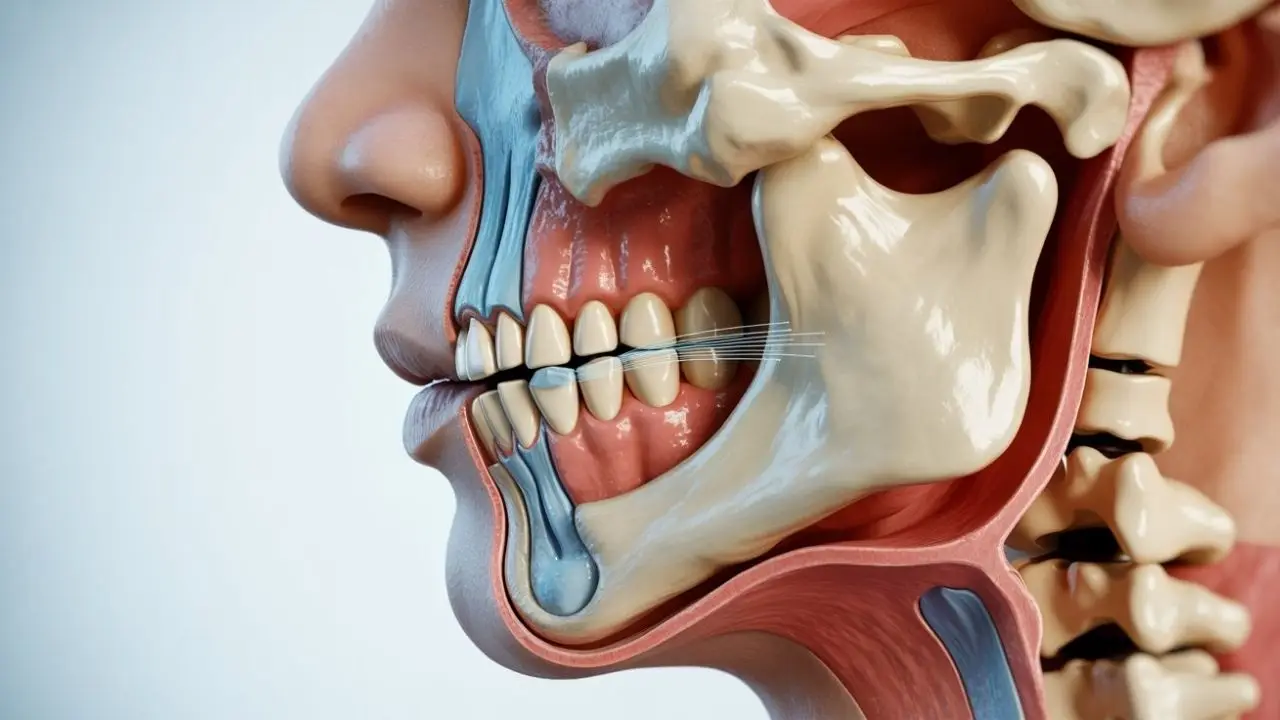
A recessed lower jaw (retrognathia) or narrow upper jaw can cause the tongue to fall back during sleep, narrowing the airway. This is one of the main anatomical reasons for obstructive sleep apnea.
Prof. Dr. Celal Çandırlı emphasizes that correcting jaw position through orthognathic surgery can permanently widen the airway and resolve breathing problems in suitable patients.
3. How Does Jaw Surgery Treat Sleep Apnea?
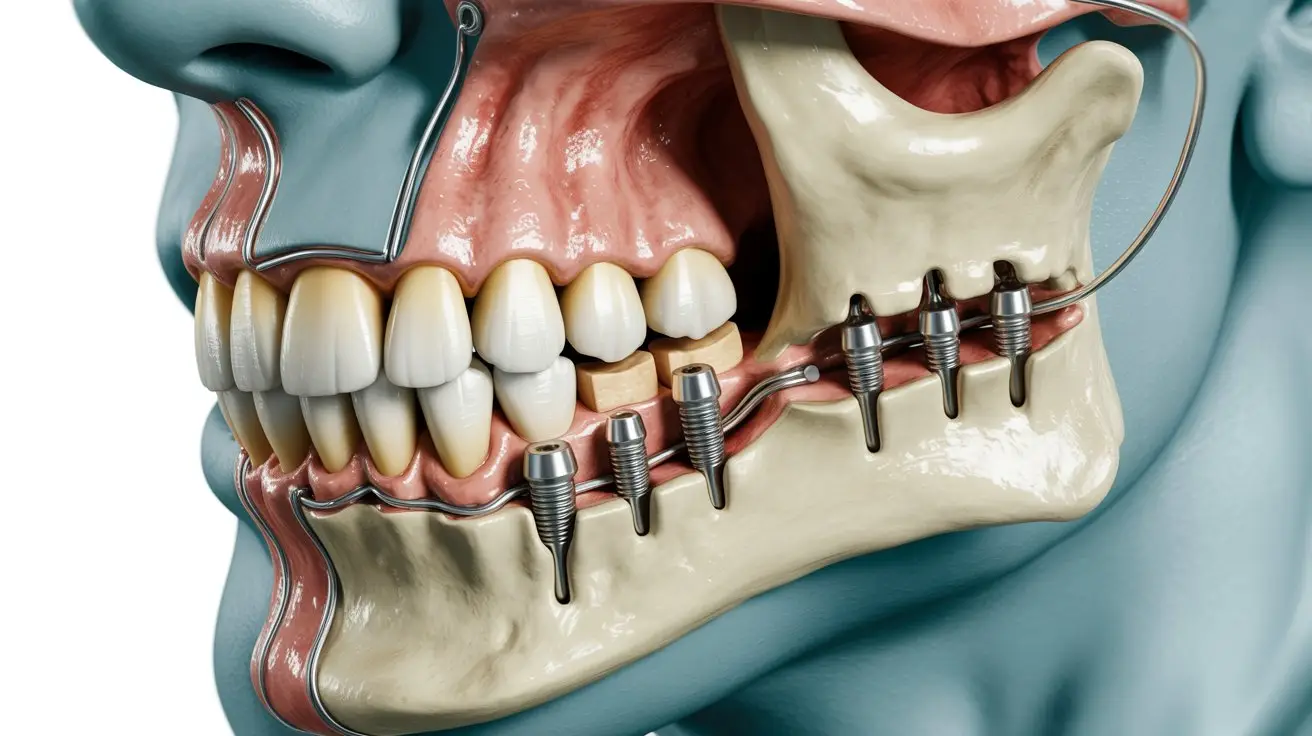
Orthognathic surgery (corrective jaw surgery) moves the upper and/or lower jaw forward to enlarge the airway space. This procedure:
– Prevents the tongue from blocking the airway
– Increases the volume of the upper airway
– Reduces soft tissue collapse during sleep
– Often eliminates or significantly reduces the need for CPAP machines
Many patients experience dramatic improvement in sleep quality and daytime energy levels.
4. Who Is a Good Candidate for Jaw Surgery for Sleep Apnea?
Ideal candidates include patients who:
– Have moderate to severe obstructive sleep apnea
– Cannot tolerate or refuse CPAP therapy
– Have a recessed lower jaw or narrow upper jaw
– Suffer from both functional breathing problems and aesthetic concerns
– Are in good general health
5. The Treatment Process and Recovery
– Comprehensive evaluation including sleep study and 3D CBCT imaging
– Pre-surgical orthodontic preparation (if needed)
– Surgery under general anesthesia (usually 2–4 hours)
– Hospital stay of 1–2 nights
– Swelling peaks in the first week and gradually subsides
– Return to social activities in 3–4 weeks
– Full results visible in 6–12 months
6. Advantages and Success Rates
– Permanent solution without lifelong CPAP use
– Significantly improved sleep quality and oxygen levels
– Reduced risk of heart disease and hypertension
– Better facial aesthetics and profile
– High success rate (80–90%) in properly selected patients
7. Frequently Asked Questions
Is jaw surgery risky for sleep apnea?
When performed by an experienced surgeon, risks are low and benefits are usually life-changing.
Will I still need CPAP after surgery?
In many cases, patients no longer need CPAP as the airway is permanently widened.
How painful is the recovery?
Modern pain management techniques make the recovery quite tolerable for most patients.
How long until I see improvement in sleep?
Many patients notice better sleep quality within the first few weeks after swelling decreases.
8. Conclusion
Sleep apnea is more than just loud snoring — it is a serious health condition that affects your heart, energy, and quality of life. For patients with jaw-related airway problems, orthognathic surgery offers a permanent and highly effective solution.
Prof. Dr. Celal Çandırlı, with over 20 years of experience and advanced training at NHS Poole and Newcastle Freeman Hospital in the UK, specializes in treating sleep apnea through corrective jaw surgery.
If you suffer from snoring, breathing pauses during sleep, or constant fatigue, contact us today for a comprehensive evaluation.
Prof. Dr. Celal Çandırlı
Oral, Maxillofacial & Jaw Surgeon • UK NHS Trained • 20+ Years Experience • 50+ International Publications
This article is for informational purposes only. Treatment decisions should be made only after a thorough medical evaluation.