Jaw and Facial Injuries After Head Trauma: Symptoms and Treatment Process
Jaw and facial injuries after head trauma can occur when significant force affects the facial bones and surrounding tissues. These injuries often accompany head impacts from accidents, falls or sports activities. Understanding the general signs and possible approaches helps readers recognize when professional evaluation may be needed.
Such injuries vary widely depending on the location and severity of the impact. The jaw, cheekbones and eye sockets are commonly involved areas. Early awareness of symptoms supports timely assessment by a qualified healthcare provider.
What Are Jaw and Facial Injuries After Head Trauma?
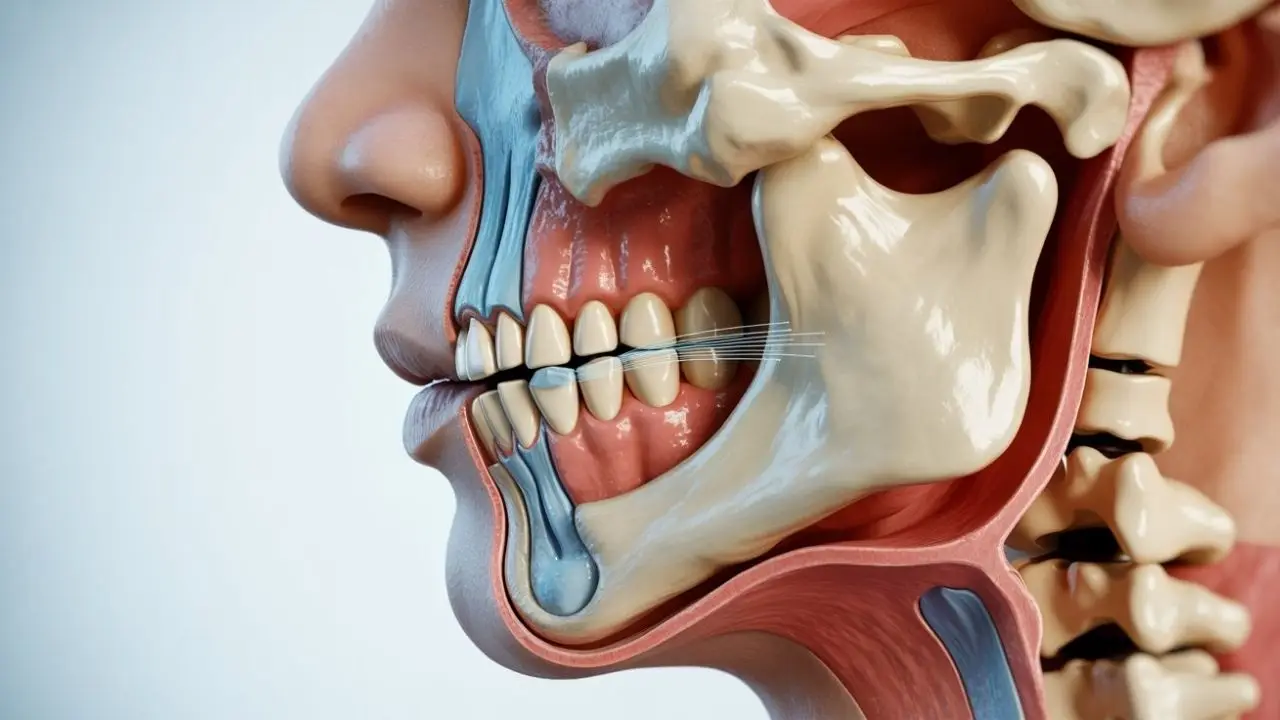
Jaw and facial injuries after head trauma involve fractures or damage to bones such as the mandible, maxilla or zygomatic arch. These may occur alongside brain or neck concerns. Individual cases differ based on trauma force and personal anatomy.
Common Symptoms to Watch For
Symptoms can include swelling, bruising, difficulty opening the mouth and changes in bite alignment. Some people notice numbness in the face or loose teeth. Pain when chewing or speaking often appears as well.
- Visible deformity or asymmetry in facial structure
- Bleeding from the mouth or nose
- Double vision or eye movement problems
- Persistent headache combined with jaw stiffness
How Diagnosis Typically Proceeds
Evaluation usually begins with a clinical examination followed by imaging such as CT scans. These steps help determine bone position and any soft tissue involvement. No single test replaces a full professional review.
| Evaluation Step | General Description |
|---|---|
| Initial Exam | Assessment of swelling, bite and nerve function |
| Imaging | CT or panoramic X-rays to view bone alignment |
| Specialist Review | Coordination with maxillofacial experts when needed |
General Treatment Approaches
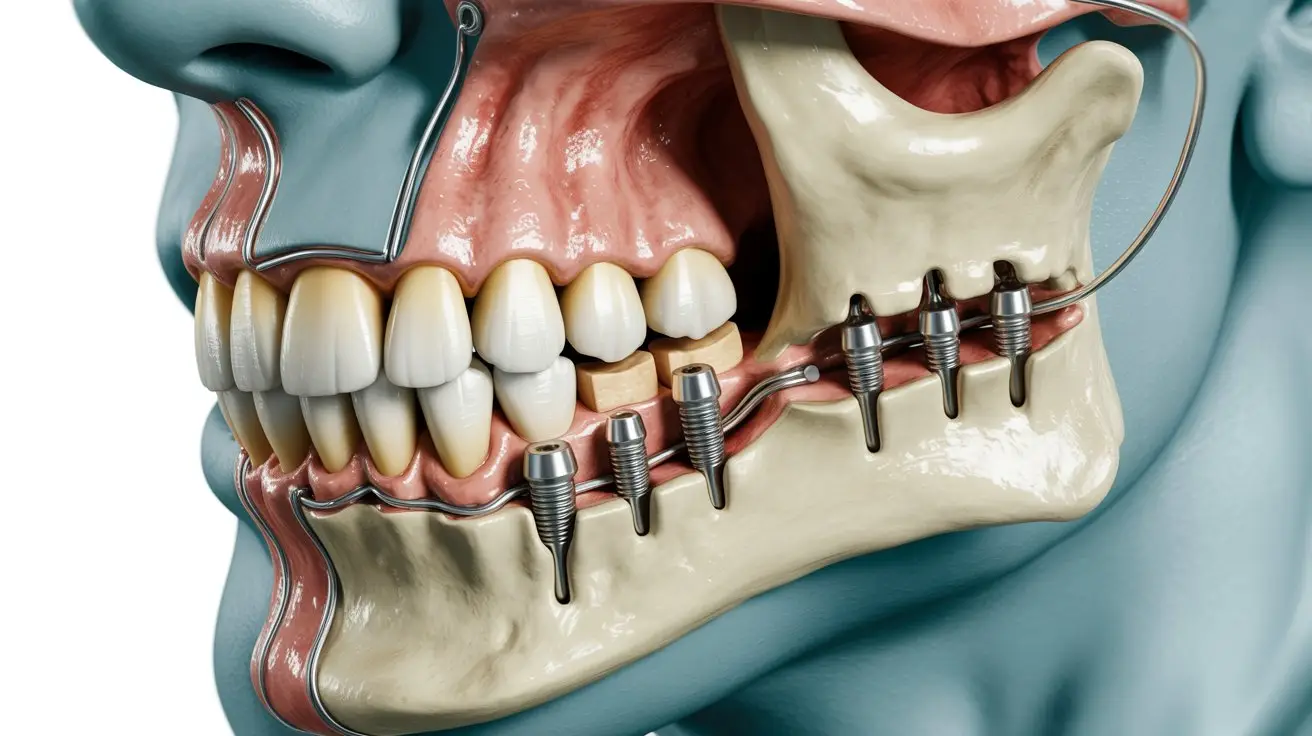
Treatment for jaw and facial injuries after head trauma may involve stabilization, wiring or surgical fixation in some situations. Recovery timelines depend on injury extent and overall health. Conservative management with rest and medication is considered first in milder cases.
Recovery and Aftercare Considerations
Healing often requires soft diet, limited jaw movement and follow-up visits. Patients are advised to monitor for infection signs or bite changes. Each recovery path remains unique and requires personalized guidance.
Possible Risks and Limitations
Complications such as nerve damage, infection or improper healing can arise. Regular monitoring helps address issues early. Outcomes vary and cannot be guaranteed in advance.
Alternative Options in Some Cases
Depending on findings, non-surgical observation or dental adjustments may be discussed. Multidisciplinary input from neurology or ENT specialists sometimes supports care planning.
Frequently Asked Questions
Can jaw and facial injuries after head trauma heal without surgery?
Many milder cases improve with conservative care including rest and medication. Suitability depends on imaging results and clinical findings during examination.
How long does recovery from jaw and facial injuries after head trauma usually take?
Healing periods range from weeks to several months. Factors such as age, overall health and injury complexity influence the timeline.
Are there long-term effects after jaw and facial injuries after head trauma?
Some individuals experience ongoing numbness or bite changes. Follow-up care helps manage these possibilities on an individual basis.
When should someone seek care for suspected jaw and facial injuries after head trauma?
Immediate evaluation is recommended after any significant head impact involving facial pain or swelling. Professional assessment determines next steps.
Does jaw and facial injuries after head trauma always require hospitalization?
Not every case needs hospital admission. Severity, associated injuries and airway concerns guide this decision during initial evaluation.
Can dental work help after jaw and facial injuries after head trauma?
Orthodontic or prosthetic adjustments may support function once bones stabilize. Timing and type of dental care are determined through specialist consultation.
Conclusion
Jaw and facial injuries after head trauma represent a complex area that benefits from careful assessment and individualized planning. Readers are encouraged to consult qualified professionals for personal evaluation rather than relying solely on general information.
Expert Information
This content has been prepared for informational purposes in the field of oral, dental and maxillofacial surgery. Prof. Dr. Celal Çandırlı’s over 20 years of professional experience, training at England NHS Poole Hospital and Newcastle Freeman Hospital, contributes to addressing the topic within a scientific and clinical framework.
This content is for general informational purposes only and does not replace diagnosis or treatment. For complaints related to oral, dental and maxillofacial health, consult your dentist or relevant specialist healthcare professional.