Snoring and Jaw Retrognathia: Role of Orthognathic Surgery
Orthognathic surgery may be considered in some cases where snoring is linked to jaw retrognathia. This condition involves the lower jaw being positioned further back than normal, which can narrow the airway during sleep.
Readers often seek information on how skeletal structure affects breathing patterns. This article explains the general relationship between jaw position, snoring, and surgical options without providing personalized advice.
What Is Jaw Retrognathia?
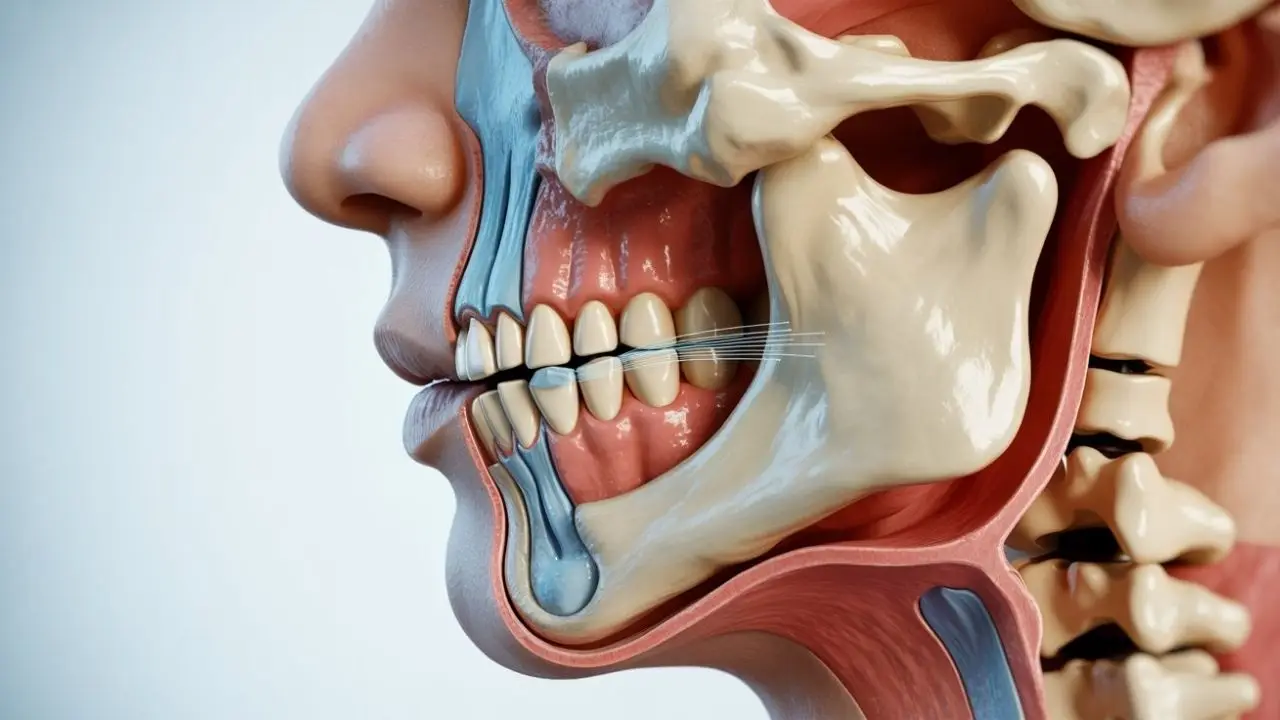
Jaw retrognathia, also known as mandibular retrognathism, occurs when the lower jaw sits behind its ideal position relative to the upper jaw. This skeletal difference can influence facial profile and airway space.
The condition may be present from birth or develop during growth. It is identified through clinical examination and imaging studies.
How Does Jaw Retrognathia Relate to Snoring?
Snoring happens when airflow causes soft tissues in the throat to vibrate. In jaw retrognathia, the recessed position of the lower jaw can reduce airway volume, especially when lying down.
Not every person with jaw retrognathia experiences snoring. Other factors such as soft tissue size, nasal passage condition, and body weight also play roles.
When Might Orthognathic Surgery Be Evaluated?
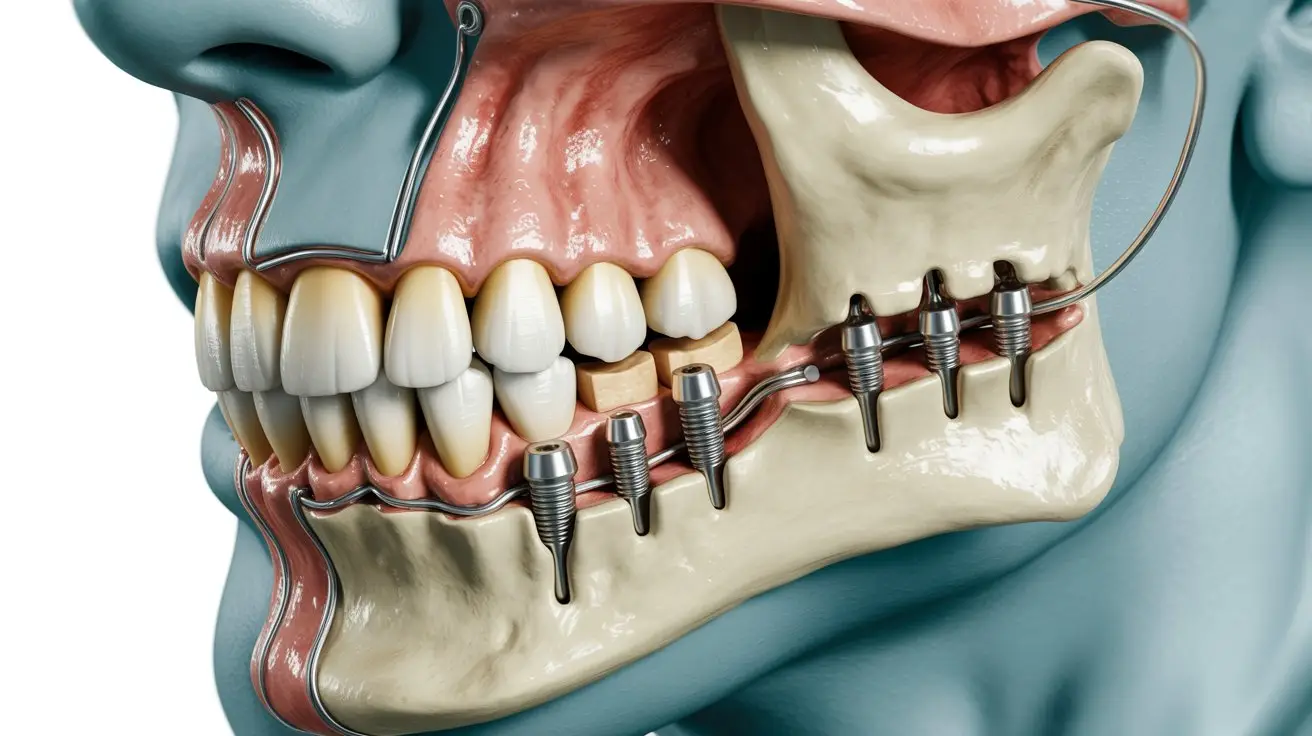
Orthognathic surgery (jaw correction surgery) repositions the jaws to improve their alignment. In selected patients with both jaw retrognathia and airway concerns, this procedure may help increase pharyngeal space.
Evaluation usually includes sleep studies, three-dimensional imaging, and dental analysis. Suitability depends on individual anatomy and overall health.
General Process Before Considering Surgery
- Medical history review and physical examination
- Sleep assessment to measure breathing patterns
- Imaging to evaluate bone and airway dimensions
- Discussion of possible non-surgical approaches first
Comparison of Approaches
| Approach | General Description |
|---|---|
| Lifestyle Changes | Weight management and sleep position adjustments may be discussed. |
| Oral Appliances | Devices that advance the jaw can be considered for mild cases. |
| Orthognathic Surgery | Jaw repositioning may be evaluated when skeletal factors are significant. |
| Other Surgical Options | Soft tissue procedures can be reviewed depending on findings. |
Points to Consider After Any Procedure
Recovery involves swelling, dietary modifications, and follow-up visits. Healing timelines vary between individuals.
Long-term outcomes depend on many factors including healing response and adherence to post-operative instructions.
Sık Sorulan Sorular
Can orthognathic surgery reduce snoring caused by jaw retrognathia?
Orthognathic surgery may improve airway space in selected patients. Whether it reduces snoring depends on individual anatomy and other contributing factors.
Is every person with jaw retrognathia a candidate for surgery?
No. Suitability is determined after detailed evaluation including imaging and sleep studies. Many people manage symptoms without surgery.
How long does recovery from orthognathic surgery typically take?
Initial healing often requires several weeks, with full bone remodeling taking months. Each case follows its own timeline.
Are there non-surgical options for snoring related to jaw position?
Yes. Options such as positional therapy, weight management, or oral devices are frequently discussed first.
Does jaw retrognathia always cause snoring?
No. While it can contribute to airway narrowing, not all individuals with this jaw position experience snoring.
Why is a personal examination important before any decision?
Only a qualified specialist can assess bone structure, airway, and overall health through direct examination and tests.
Sonuç
Snoring linked to jaw retrognathia may involve skeletal factors that orthognathic surgery can address in certain cases. Individual assessment remains essential to determine appropriate options.
Expert Information
This content is prepared for general informational purposes in the field of oral, dental and maxillofacial surgery. Prof. Dr. Celal Çandırlı’s more than 20 years of professional experience and training at England NHS Poole Hospital and Newcastle Freeman Hospital support the scientific and clinical framing of the topic.
This content is for general informational purposes only and does not replace diagnosis or treatment. For oral, dental and maxillofacial health concerns, consult your dentist or relevant specialist health professional.