Early Treatment of Jaw Development Disorders in Children
Early treatment of jaw development disorders can help address growth-related concerns in children and adolescents. These conditions involve irregularities in the size, position or alignment of the jaws that may affect chewing, breathing or facial balance. This article explains general information about such disorders and when early evaluation might be considered.
Parents often notice signs like uneven jaw growth, difficulty biting or speech changes during routine dental visits. Understanding the basics supports informed discussions with healthcare professionals. Personal assessment remains essential for any decision.
What Are Jaw Development Disorders?
Jaw development disorders refer to conditions where the upper or lower jaw does not grow in a balanced way. These may appear during childhood or adolescence when facial bones are still developing. Common examples include underbite, overbite or asymmetry linked to genetic or environmental factors.
Early recognition allows monitoring of growth patterns. Dentists and specialists typically use clinical exams and imaging to observe changes over time. Each child’s situation differs, so general descriptions do not replace individual evaluation.
When Might Early Treatment Be Considered?
Early treatment of jaw development disorders is sometimes discussed when growth discrepancies are detected before skeletal maturity. Orthodontic appliances or functional devices may guide jaw position during active growth phases. Suitability depends on the child’s age, growth stage and specific findings.
- Significant jaw misalignment affecting bite function
- Breathing or airway concerns associated with jaw position
- Noticeable facial asymmetry during adolescence
- Family history of similar growth patterns
General Evaluation Process
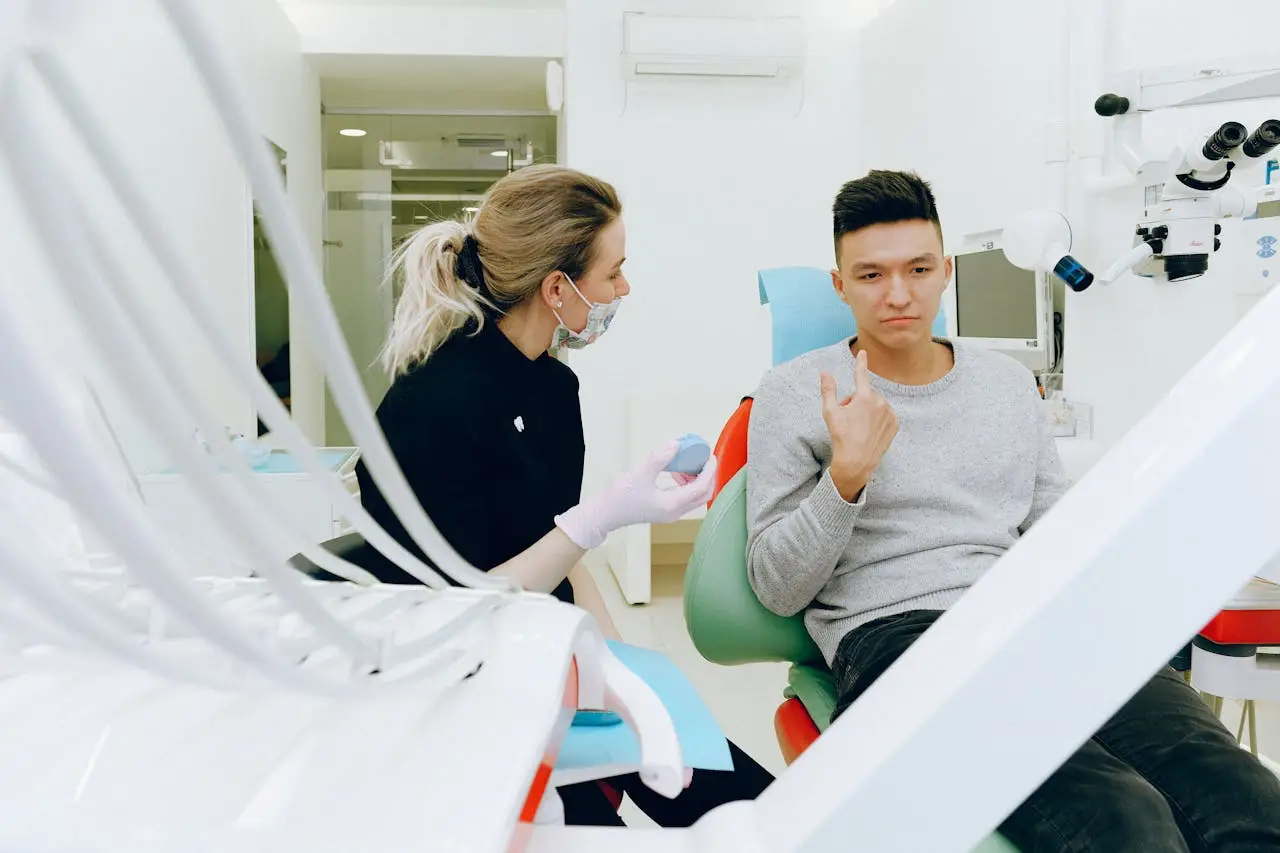
Evaluation usually begins with a detailed medical and dental history. Three-dimensional imaging helps assess bone structure and growth potential. Specialists review these findings together with clinical examination results.
| Step | General Description |
|---|---|
| Initial Screening | Clinical examination and basic measurements during routine dental visits |
| Imaging | Panoramic or 3D scans to observe jaw relationships |
| Growth Monitoring | Regular follow-ups to track changes over months or years |
| Treatment Planning | Decisions based on individual growth data and health status |
Possible Approaches in Early Stages
Approaches may include removable appliances, fixed functional devices or habit correction methods. These aim to influence jaw growth while bones remain responsive. Not every child requires intervention, and timing varies widely.
Parents should understand that outcomes depend on multiple factors including compliance and individual biology. Regular professional oversight helps adjust plans as needed.
Points to Consider Before Any Decision
Before considering early treatment of jaw development disorders, families often review overall health, cooperation ability and long-term expectations. Some conditions may stabilize naturally, while others benefit from timely guidance. A thorough discussion with qualified professionals clarifies options.
Sık Sorulan Sorular
At what age can jaw development issues first be noticed?
Signs may appear around ages 7 to 10 when permanent teeth erupt and growth accelerates. Regular dental check-ups help identify early patterns.
Does every child with jaw asymmetry need treatment?
Not every case requires intervention. Many mild discrepancies improve or remain stable without active treatment, depending on growth and function.
How long does early treatment of jaw development disorders usually last?
Duration varies but often spans 12 to 24 months of active use, followed by monitoring. Exact length is determined after personal assessment.
Are there risks associated with early jaw treatment?
As with any dental procedure, possible risks include discomfort or appliance breakage. These are discussed during evaluation with the family.
Can jaw growth problems affect breathing?
In some instances, jaw position may influence airway space. Specialists evaluate this aspect during examination when relevant.
Is surgery ever part of early treatment plans?
Surgery is rarely considered in growing children. Most early approaches focus on non-surgical guidance during development phases.
Conclusion
Early treatment of jaw development disorders offers one possible path for managing growth concerns in children and adolescents. Decisions always require careful, individualized assessment by dental and medical professionals. Families are encouraged to seek timely evaluations for personalized guidance.
Uzman Bilgisi
This content is prepared for informational purposes in the field of oral, dental and maxillofacial surgery. Prof. Dr. Celal Çandırlı’s over 20 years of professional experience, training at England NHS Poole Hospital and Newcastle Freeman Hospital, contributes to addressing the topic within a scientific and clinical framework.
This content is for general informational purposes only and does not replace diagnosis or treatment. Consult a dentist or relevant specialist for any oral or jaw health concerns.