Causes of Jaw Locking in the Elderly Explained
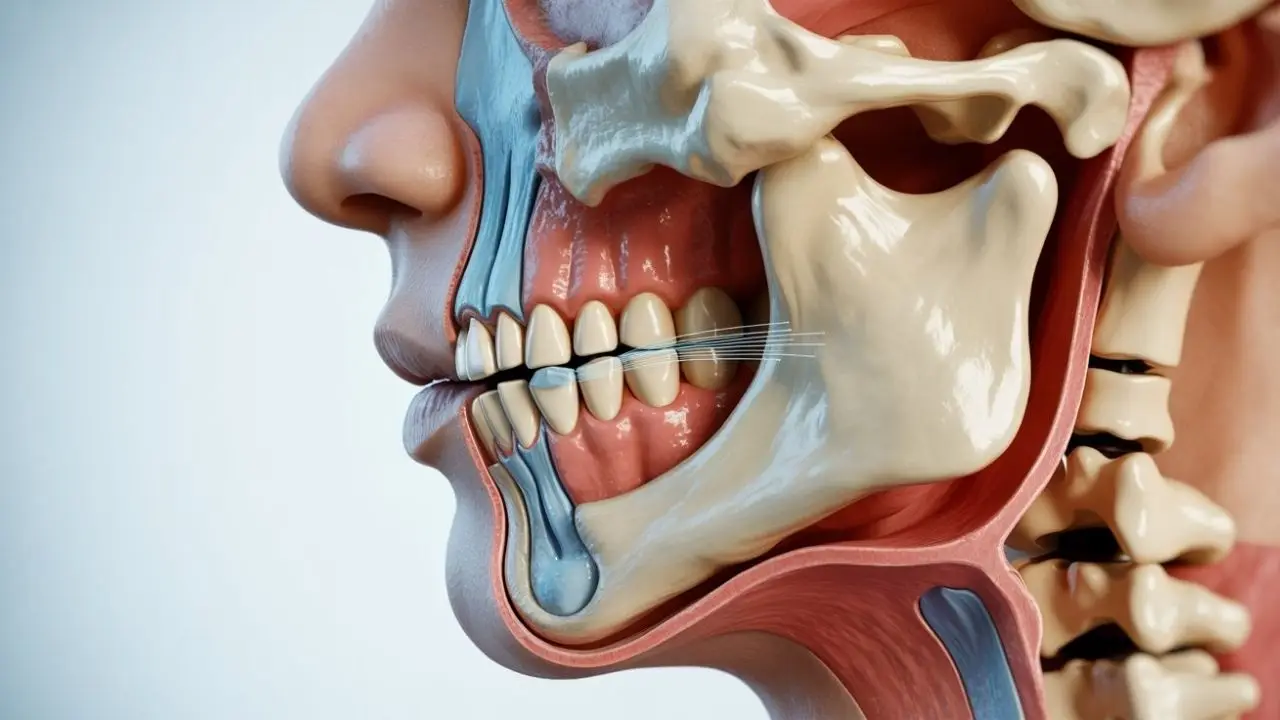
Jaw locking in the elderly refers to a sudden inability to open or close the mouth fully, often linked to the temporomandibular joint (TMJ or jaw joint). This condition can arise from various age-related factors and may affect daily activities such as eating or speaking.
Understanding the possible reasons helps raise awareness without replacing professional assessment. Each person’s situation differs, and symptoms require evaluation through clinical examination and imaging.
This article outlines common contributors, risk considerations, and general management approaches that may apply to older adults experiencing jaw locking.
Age-Related Changes in Jaw Structures
As people age, the jaw joint and surrounding muscles undergo natural wear. Reduced cartilage cushioning and weaker ligaments can limit smooth movement, making locking episodes more likely during simple motions like yawning.
Bone density loss in the mandible (lower jaw) may further contribute to instability. These changes develop gradually and often combine with other health factors.
Arthritis and Inflammatory Conditions
Osteoarthritis or rheumatoid arthritis frequently affects the TMJ in older adults. Inflammation narrows joint space and creates adhesions that restrict motion, sometimes resulting in sudden locking.
- Degenerative joint disease erodes cartilage over time.
- Autoimmune inflammation causes swelling and stiffness.
- Previous joint injuries may accelerate arthritic changes.
Medication Side Effects and Systemic Health
Certain medications prescribed for age-related conditions, such as antipsychotics or antihistamines, can cause muscle stiffness or dry mouth that indirectly promotes jaw locking. Dehydration and electrolyte imbalances also play roles.
Neurological disorders like Parkinson’s disease may impair muscle coordination around the jaw. These systemic influences require holistic health review rather than isolated treatment of the joint.
Dental and Occlusal Factors
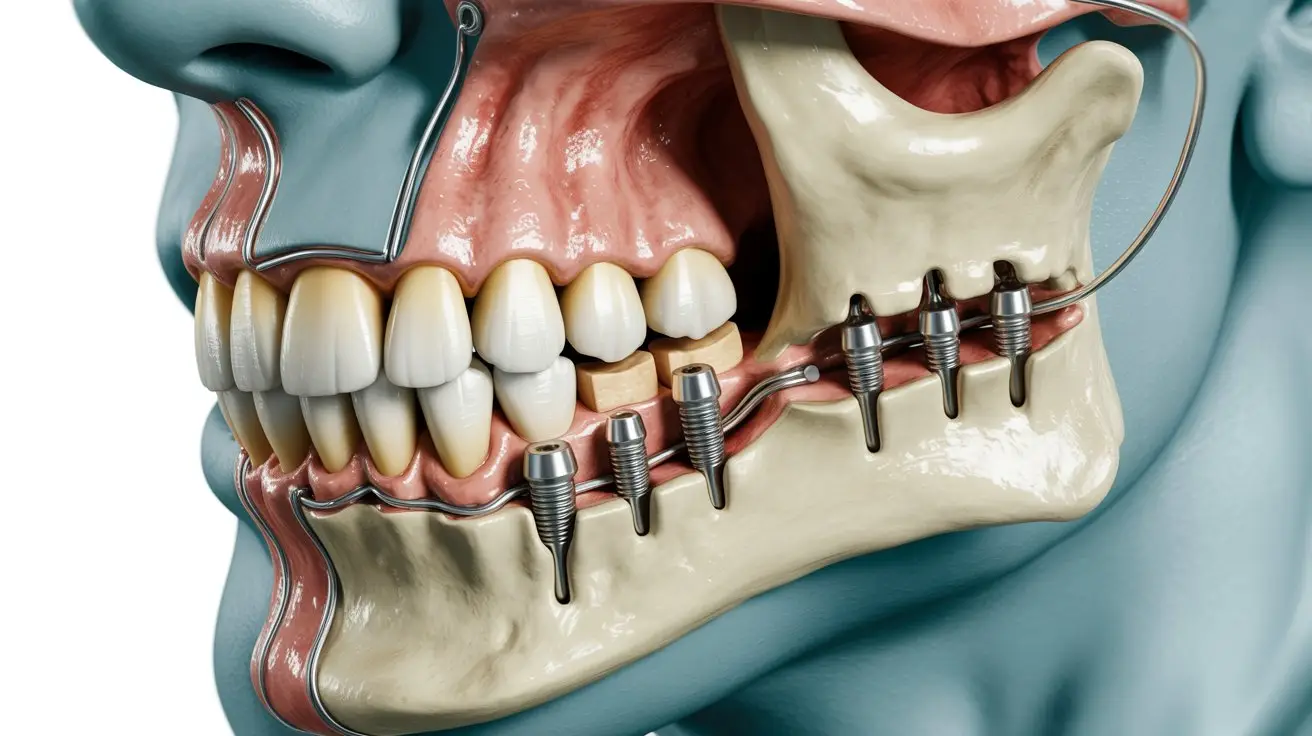
Missing teeth, ill-fitting dentures, or uneven bite alignment place extra stress on the TMJ. Over time, this imbalance encourages disc displacement within the joint, a common precursor to locking.
| Factor | General Description |
|---|---|
| Bite Changes | Uneven tooth contact may strain the jaw joint during chewing. |
| Denture Fit | Poorly adjusted prosthetics can alter jaw positioning over years. |
| Tooth Loss | Reduced support shifts pressure onto the TMJ and muscles. |
| Grinding Habits | Bruxism accelerates wear on joint surfaces in older adults. |
When to Seek Professional Evaluation
Persistent locking, pain, or difficulty eating warrants prompt assessment. Imaging such as panoramic radiographs or MRI helps identify disc position and bone changes. No single cause applies to everyone, and individual medical history guides next steps.
Frequently Asked Questions
Can jaw locking in the elderly resolve without treatment?
Some mild episodes improve with rest and gentle exercises, yet recurring locking usually needs professional review to rule out underlying joint damage.
Which medications most commonly contribute to jaw locking?
Drugs affecting muscle tone or saliva production may increase risk. A physician can review current prescriptions for possible adjustments.
Is arthritis the main reason for jaw locking after age 65?
Arthritis ranks among frequent contributors, but dental misalignment, neurological issues, and medication effects must also be considered during evaluation.
How does tooth loss influence jaw locking risk?
Loss of posterior teeth alters bite forces and joint loading, potentially displacing the articular disc and leading to mechanical locking.
Are there exercises that help prevent locking episodes?
Guided jaw stretches and posture correction may support mobility, yet these should only follow individualized assessment by a qualified practitioner.
Does jaw locking always indicate a serious disease?
Not necessarily, but sudden or progressive symptoms deserve attention to exclude treatable causes and maintain quality of life.
Conclusion
Jaw locking in the elderly often stems from a combination of joint degeneration, arthritis, dental changes, and systemic factors. Awareness of these contributors supports timely professional consultation rather than self-diagnosis. Personal examination remains essential for determining appropriate next steps.
Expert Information
This content is prepared for general informational purposes in oral and maxillofacial surgery. Prof. Dr. Celal Çandırlı’s more than 20 years of experience and training at England NHS Poole Hospital and Newcastle Freeman Hospital supports the scientific framing of the topic.
This content is for general informational purposes only and does not replace diagnosis or treatment. Consult a dentist or relevant healthcare professional for jaw-related concerns.