Orthognathic Surgery and Temporomandibular Joint Problems
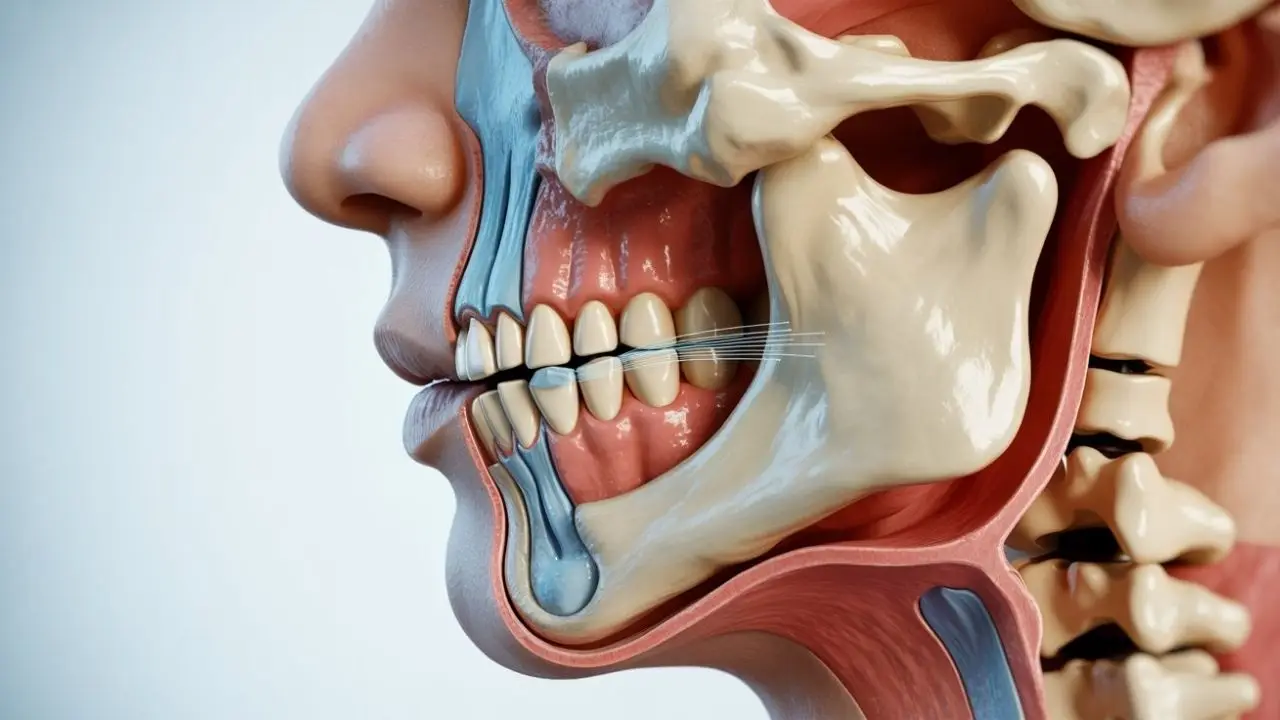
Orthognathic surgery jaw joint relationships are important to understand for individuals considering jaw correction procedures. This type of surgery addresses skeletal discrepancies in the jaws, yet it can intersect with temporomandibular joint function in various ways.
The temporomandibular joint connects the lower jaw to the skull and enables essential movements such as chewing and speaking. When orthognathic surgery is planned, preoperative assessment of this joint helps identify existing conditions that may influence outcomes.
What Is Orthognathic Surgery?
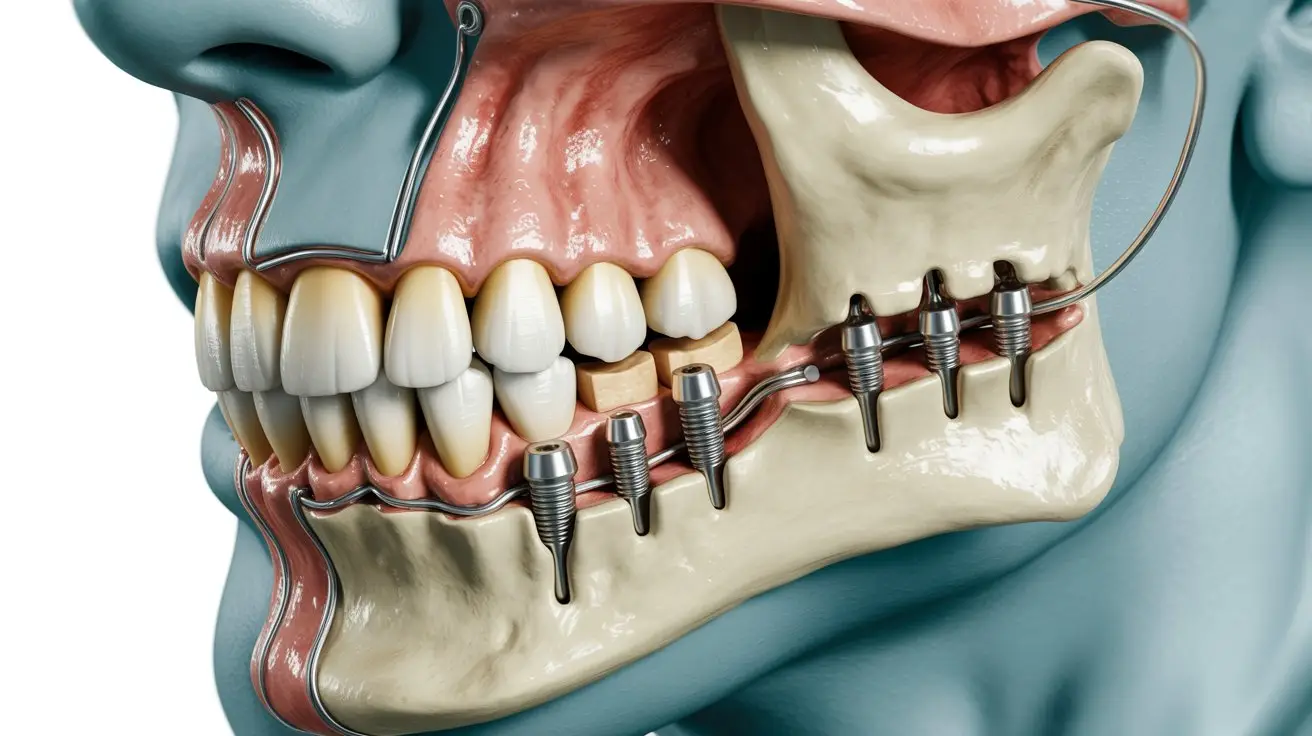
Orthognathic surgery, also known as jaw correction surgery, repositions the upper or lower jaw to improve bite alignment, facial balance, and function. The procedure is typically recommended after growth completion and following orthodontic preparation.
Patients often undergo this intervention to correct congenital or developmental jaw discrepancies. Recovery involves a period of limited jaw movement and dietary adjustments while healing progresses.
Connection Between Orthognathic Surgery Jaw Joint and Temporomandibular Joint
The link between orthognathic surgery jaw joint structures and the temporomandibular joint arises because surgical movements directly affect joint loading and muscle balance. Changes in jaw position can either relieve or, in some cases, exacerbate joint symptoms depending on individual anatomy.
Pre-existing temporomandibular joint disorders may become more noticeable after surgery if not evaluated thoroughly beforehand. Imaging and clinical examination allow surgeons to map joint position relative to planned skeletal movements.
Common Issues Involving the Jaw Joint
Patients may experience clicking, limited opening, or pain in the temporomandibular joint region. These symptoms sometimes relate to disc displacement, muscle tension, or degenerative changes within the joint.
- Clicking or popping sounds during jaw movement
- Difficulty opening the mouth widely
- Facial muscle fatigue or headaches
- Ear pain or ringing sensations
How Jaw Correction Surgery May Influence the Joint
Jaw correction surgery joint effects vary according to the direction and magnitude of skeletal repositioning. Advancement or setback of the mandible can alter condylar seating and ligament tension within the temporomandibular joint.
Some individuals report improvement in joint symptoms after surgery because corrected occlusion reduces abnormal muscle patterns. Others may notice temporary discomfort during the healing phase that gradually resolves with physiotherapy and follow-up care.
| Aspect | General Description |
|---|---|
| Preoperative Evaluation | Clinical examination combined with imaging assesses joint health and position. |
| Surgical Planning | Computer-assisted models help predict changes in joint loading. |
| Postoperative Care | Physiotherapy and soft diet support gradual return to normal function. |
| Follow-up Monitoring | Regular reviews track symptom changes over several months. |
Treatment Approaches for Related Problems
Management of temporomandibular joint concerns linked to orthognathic surgery may include conservative measures first. These often involve occlusal splints, physical therapy, and anti-inflammatory medications when appropriate.
In selected situations, additional joint procedures or adjustments to the surgical plan become part of the overall approach. The choice of intervention depends on symptom severity and response to initial care.
Evaluation and Planning Considerations
Comprehensive evaluation before orthognathic surgery jaw joint procedures includes three-dimensional imaging and functional analysis. This step identifies whether the temporomandibular joint requires specific attention during or after skeletal correction.
Each patient’s anatomy and medical history differ, so decisions remain individualized. Ongoing communication with the surgical team supports realistic expectations throughout the process.
Sık Sorulan Sorular
Can orthognathic surgery jaw joint problems be prevented?
Prevention focuses on thorough preoperative assessment of the temporomandibular joint. Early identification of risk factors allows adjustments to the surgical plan when necessary.
Does every patient experience temporomandibular joint changes after jaw correction surgery?
Not every patient encounters new or worsened symptoms. Individual anatomy, existing joint condition, and surgical movements determine the likelihood of noticeable changes.
How long does recovery from related joint discomfort typically take?
Recovery timelines vary; many patients notice gradual improvement within several months when supported by physiotherapy and follow-up evaluations.
Are there alternatives to surgery for orthognathic surgery jaw joint concerns?
Conservative treatments such as splint therapy or physical therapy may be explored first. Suitability depends on the degree of skeletal discrepancy and joint pathology present.
What role does imaging play in planning?
Imaging provides detailed views of joint position and bone relationships, helping clinicians anticipate how skeletal movements may affect temporomandibular joint function.
Should patients with existing joint disorders avoid orthognathic surgery?
Existing disorders do not automatically exclude surgery. A multidisciplinary evaluation determines whether benefits outweigh potential risks on a case-by-case basis.
Sonuç
Orthognathic surgery jaw joint interactions highlight the importance of careful preoperative planning and individualized care. Understanding the possible effects on the temporomandibular joint helps patients form realistic expectations. Personal clinical assessment remains essential before any treatment decisions are finalized.
Expert Information
This content is prepared for informational purposes in the field of oral, dental and maxillofacial surgery. Prof. Dr. Celal Çandırlı’s over 20 years of professional experience and educational background at England NHS Poole Hospital and Newcastle Freeman Hospital contribute to addressing the topic within a scientific and clinical framework.
This content is for general informational purposes only and does not replace diagnosis or treatment. Consult a dentist or relevant specialist healthcare professional for oral, dental, and jaw health concerns.