What Are the Common Causes of Pain Under the Eye Cheekbone?
Pain under the eye cheekbone often stems from issues involving the maxillary sinus, facial nerves, or surrounding structures. This discomfort can range from mild pressure to sharp sensations that affect daily activities. Understanding possible origins helps readers recognize when professional evaluation may be needed.
Several factors contribute to cheekbone pain causes, including sinus problems, dental conditions, and temporomandibular joint disorders. Each case differs based on individual anatomy and health history. Personal assessment remains essential for accurate insights.
What Structures Cause Pain Under the Eye Cheekbone?
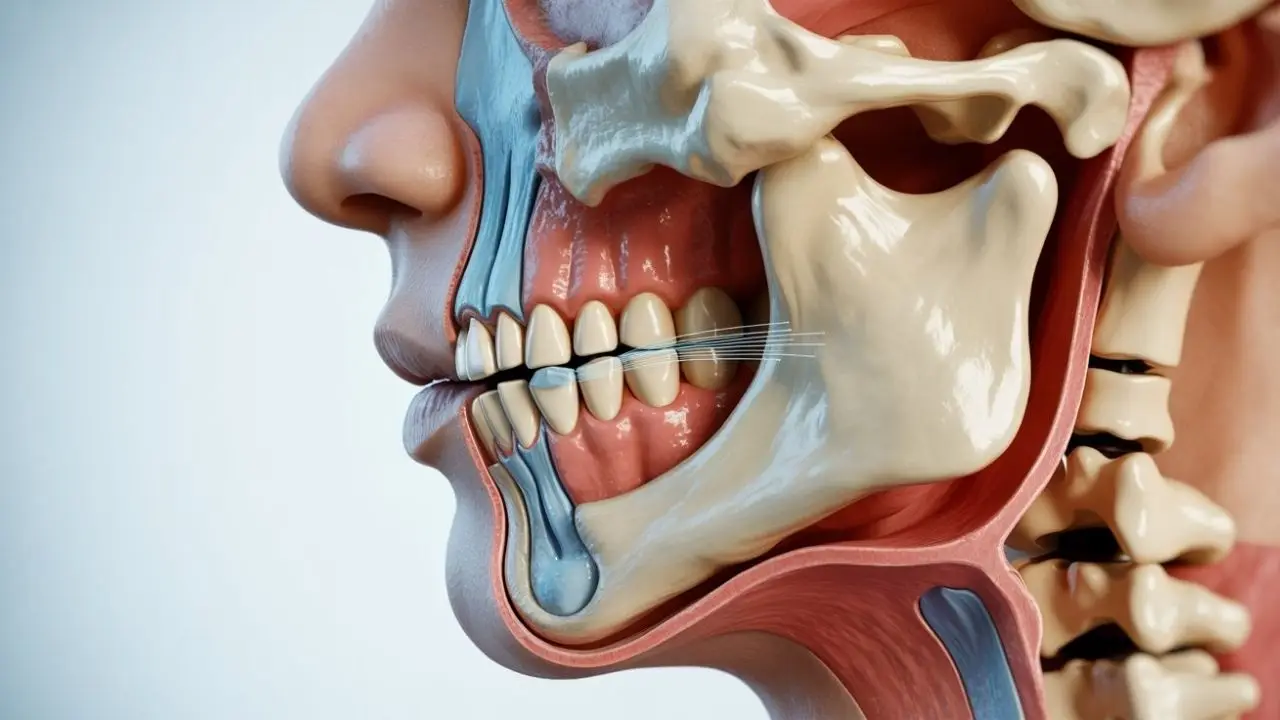
The area under the eye and along the cheekbone includes the maxillary sinus, zygomatic bone, and nearby muscles and nerves. Inflammation or pressure in these regions frequently leads to referred pain. Eye strain or allergies may also play indirect roles by increasing sinus congestion.
How Does Maxillary Sinus Pain Develop?
Maxillary sinus pain commonly arises when the sinus cavities become blocked or infected. Fluid buildup creates pressure that radiates to the cheek and under-eye area. Seasonal allergies, colds, or chronic sinusitis often trigger this pattern. Imaging can help identify the extent of involvement.
- Acute sinus infections that last under four weeks
- Chronic inflammation persisting beyond twelve weeks
- Barometric pressure changes during weather shifts
Can Dental Issues Lead to Cheekbone Pain?
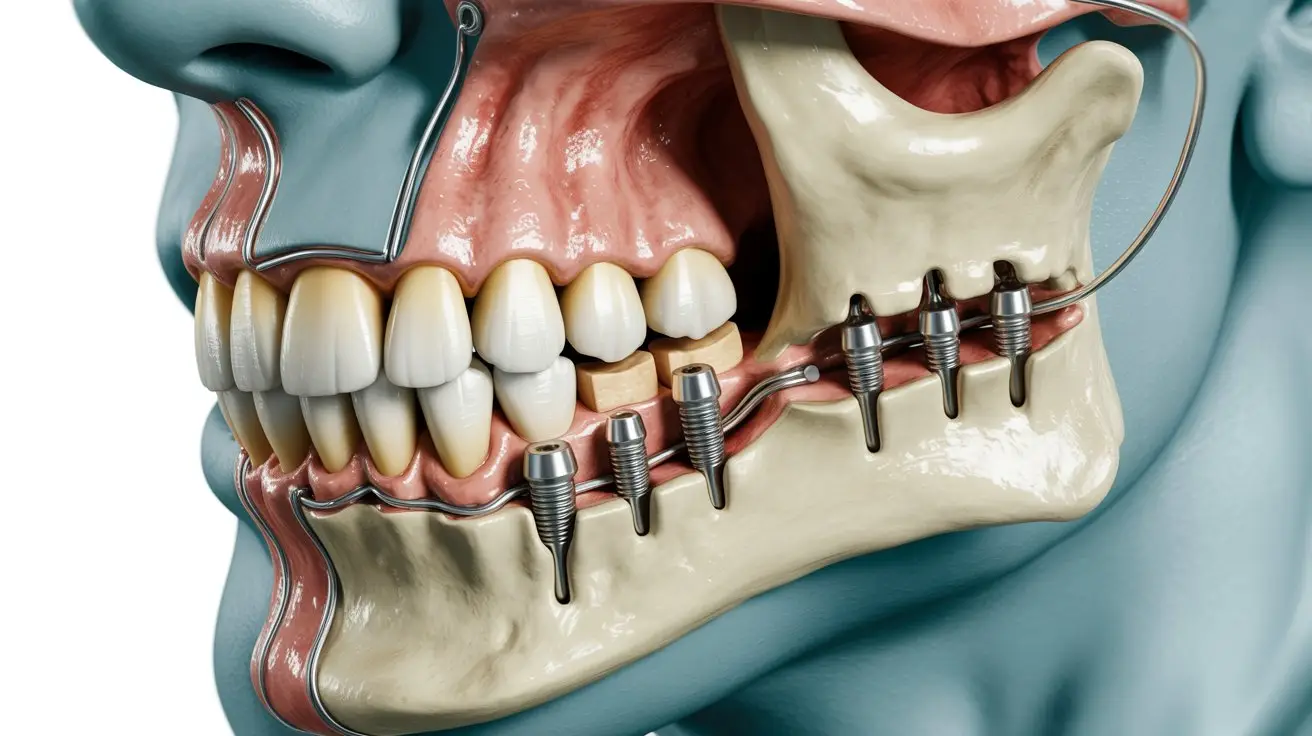
Upper tooth infections or impacted wisdom teeth sometimes produce pain that feels centered under the eye. Nerve pathways connect dental roots to the maxillary region, allowing discomfort to spread. Gum disease or abscesses may intensify symptoms during chewing or biting.
| Possible Source | Typical Features |
|---|---|
| Sinus related | Pressure worse when leaning forward, nasal congestion |
| Dental origin | Sensitivity to hot or cold, swelling near gums |
| Joint dysfunction | Clicking sounds, limited jaw movement |
| Nerve irritation | Shooting sensations, triggered by touch |
What Role Does Temporomandibular Joint Play?
Temporomandibular joint disorders can refer pain to the cheekbone and under-eye zone. Clenching, grinding, or arthritis in the joint alters muscle balance and increases tension. Stress and poor posture often worsen these symptoms over time.
Are There Other Less Common Contributors?
Facial trauma, migraines, or cluster headaches occasionally manifest as localized cheekbone pain. Autoimmune conditions affecting the sinuses or nerves represent rarer possibilities. Detailed history and examination help differentiate these from more frequent causes.
Frequently Asked Questions
Does pain under the eye cheekbone always indicate sinus problems?
No. While maxillary sinus issues rank among frequent explanations, dental conditions, joint disorders, and nerve irritation can produce similar sensations. Evaluation determines the most likely source in each situation.
How long should cheekbone pain last before seeking care?
Persistent discomfort beyond one week, or pain accompanied by swelling, vision changes, or fever, warrants assessment. Early attention helps clarify whether simple measures suffice or further steps become necessary.
Can allergies cause pain under the eye cheekbone?
Yes. Allergic reactions often inflame sinus linings and create pressure that feels like cheekbone pain. Antihistamines or nasal rinses sometimes relieve symptoms, yet confirmation through examination remains advisable.
Is facial pain linked to chewing difficulties?
Chewing problems frequently accompany temporomandibular joint issues or dental infections. These conditions may refer pain to the under-eye area. A thorough check of bite alignment and jaw function assists in understanding the connection.
Do imaging tests help identify cheekbone pain causes?
Three-dimensional scans or standard radiographs can reveal sinus blockages, bone changes, or dental abnormalities. Findings guide decisions but require correlation with clinical symptoms for meaningful interpretation.
Can stress contribute to pain under the eye cheekbone?
Stress may increase jaw clenching and muscle tension, indirectly producing referred facial pain. Relaxation techniques sometimes reduce frequency, although underlying structural factors still need separate review.
Conclusion
Pain under the eye cheekbone arises from multiple possible sources including sinus, dental, and joint factors. Individual anatomy influences how symptoms present and respond to care. Professional evaluation through examination and imaging provides clarity tailored to each person.
Expert Information
This content has been prepared for general informational purposes in the field of oral, dental, and maxillofacial surgery. Prof. Dr. Celal Çandırlı’s more than 20 years of professional experience and training at England NHS Poole Hospital and Newcastle Freeman Hospital support the scientific and clinical framing of the topic.
This content is for general informational purposes only and does not replace diagnosis or treatment. Consult a dentist or relevant healthcare professional for any oral, dental, or maxillofacial health concerns.