Table of Contents
- How Does Jaw Surgery Affect Gum Health?
- Optimizing Gum Health Before Jaw Surgery
- Gum-Protective Techniques During Surgery
- Post-Surgery Gum Care and Healing Process
- Best Practices to Prevent Gum Problems
- Frequently Asked Questions
- Conclusion
Important Disclaimer: This article is for general informational purposes only. Jaw surgery can affect gum health, and every patient’s recovery is unique. Always follow your surgeon’s specific instructions and contact your doctor if you have any concerns.
1. How Does Jaw Surgery Affect Gum Health?
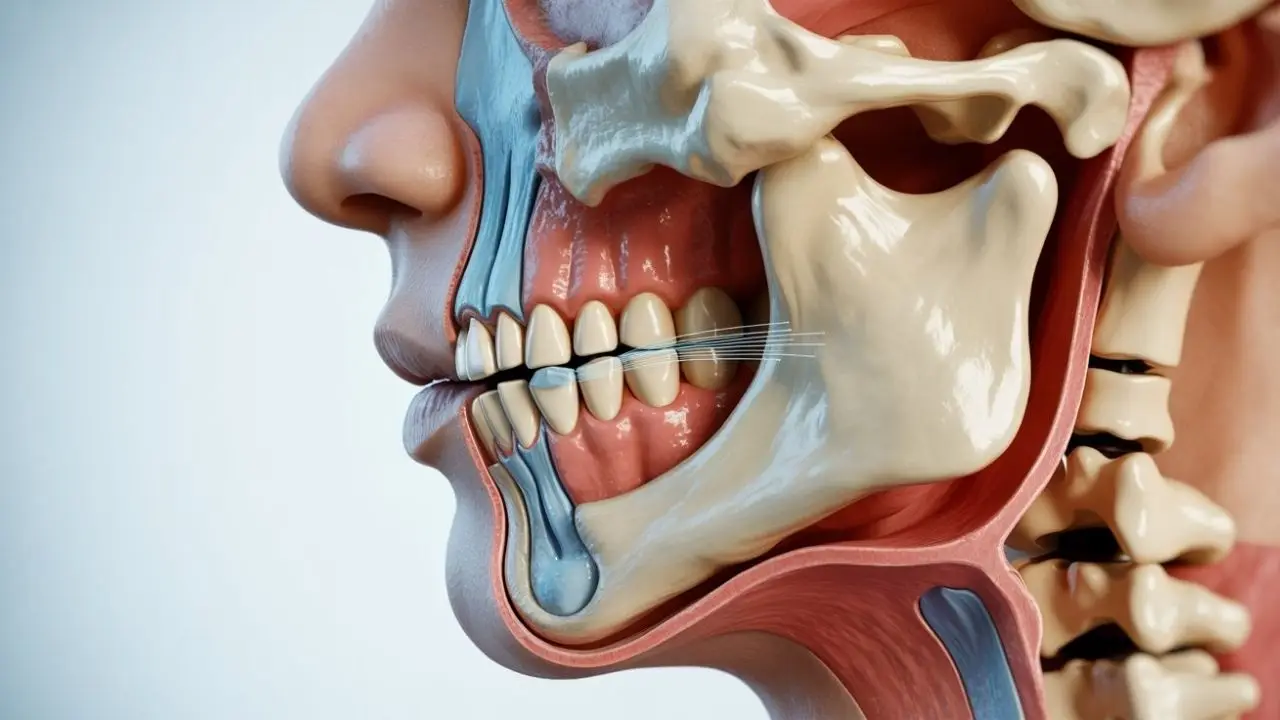
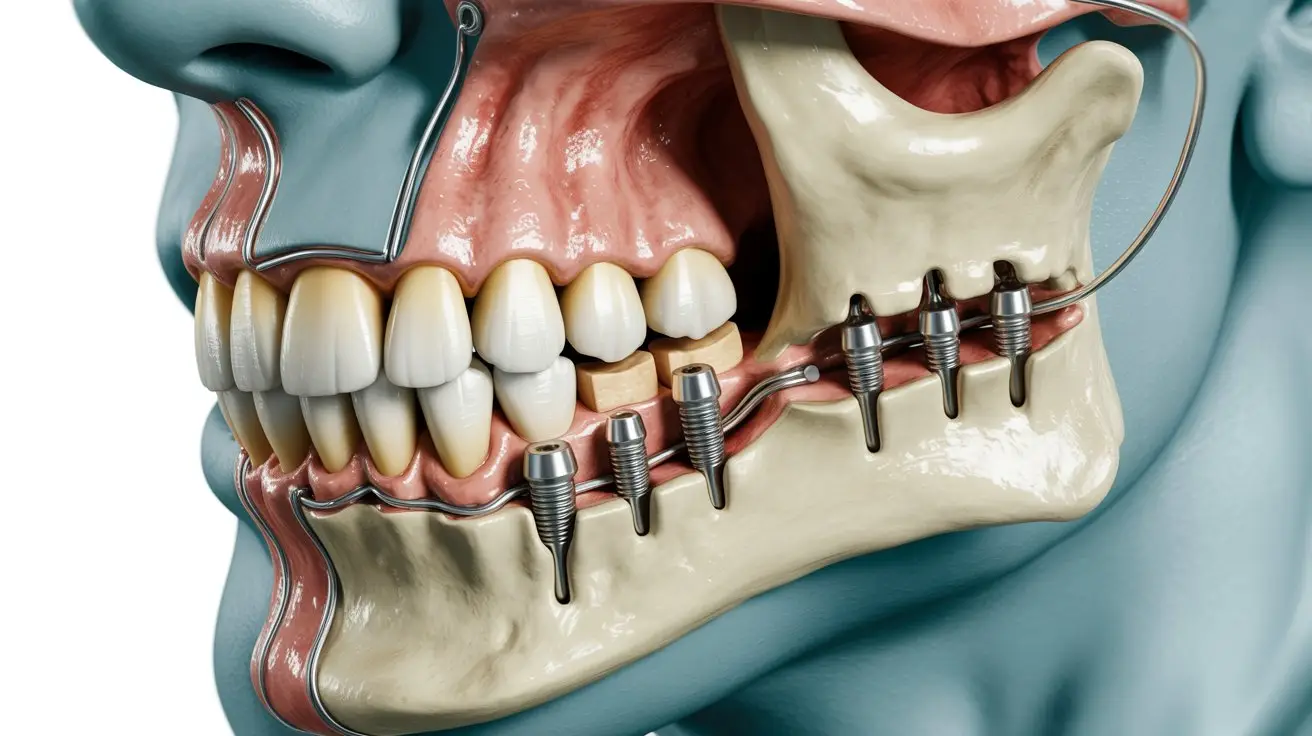
Jaw surgery (orthognathic surgery) involves repositioning the upper and lower jaws, which directly impacts the surrounding gum tissue. Incisions, bone movement, and post-operative swelling can temporarily affect the gums.
However, with careful planning and proper care, it is possible to protect gum health and even improve it after surgery. Prof. Dr. Celal Çandırlı pays special attention to preserving gum tissue during jaw procedures.
2. Optimizing Gum Health Before Jaw Surgery
Healthy gums significantly improve surgical outcomes. That’s why the following steps are essential before surgery:
– Treat any existing gum inflammation (gingivitis) or periodontal disease
– Have a professional dental cleaning
– Quit or significantly reduce smoking
– Establish excellent oral hygiene habits
Strong and healthy gums promote faster healing and lower the risk of infection after surgery.
3. Gum-Protective Techniques During Surgery
Experienced surgeons take several precautions to protect the gums:
– Using minimally invasive incisions when possible
– Careful elevation and preservation of gum tissue
– Precise surgical techniques to maintain blood supply
– 3D planning to reduce unnecessary tissue trauma
Prof. Dr. Celal Çandırlı prioritizes gum tissue preservation in all his jaw surgeries.
4. Post-Surgery Gum Care and Healing Process
The first two weeks after surgery are the most critical period:
– Gentle cleaning with a soft toothbrush
– Use of saltwater rinses or prescribed mouthwash
– Complete avoidance of smoking
– Cold compresses to reduce swelling in the first 48 hours
– Taking prescribed antibiotics and pain medication as directed
5. Best Practices to Prevent Gum Problems
– Maintain excellent oral hygiene before and after surgery
– Attend all follow-up appointments
– Use the oral care products recommended by your surgeon
– Avoid sugary and acidic foods
– Quit smoking for at least 4–6 weeks (ideally permanently)
6. Frequently Asked Questions
Can jaw surgery cause gum recession?
With proper technique and good care, the risk is low. Minor recession can occur in rare cases.
How long does it take for gums to heal after jaw surgery?
Initial healing occurs within 2–3 weeks, while complete gum recovery may take 2–3 months.
How can I reduce the risk of gum infection?
Excellent oral hygiene, following your surgeon’s instructions, and quitting smoking are the most effective ways.
Can I brush my teeth after jaw surgery?
Yes, but very gently with a soft toothbrush, especially during the first week.
7. Conclusion
Jaw surgery can temporarily affect gum health, but with expert surgical technique and diligent post-operative care, your gums can be protected and even strengthened. Healthy gums play a vital role in the long-term success of jaw surgery.
Prof. Dr. Celal Çandırlı, with over 20 years of experience and advanced training at NHS Poole and Newcastle Freeman Hospital in the UK, pays special attention to preserving gum tissue while achieving excellent functional and aesthetic results.
If you are considering jaw surgery or have concerns about gum health, we invite you to contact us for a detailed evaluation.
Prof. Dr. Celal Çandırlı
Oral, Maxillofacial & Jaw Surgeon • UK NHS Trained • 20+ Years Experience • 50+ International Publications
This article is for informational purposes only. Treatment and care instructions should be followed only under the guidance of your surgeon.