Treatment Options for Childhood Jaw Trauma in Adulthood
Childhood jaw trauma can lead to lasting changes that become noticeable in adulthood. Many people seek information about treatment options when issues such as misalignment, pain or functional problems appear years later.
This article explains how early jaw injuries may affect adult life and which general approaches are considered during evaluation. Every individual’s situation differs, so professional assessment remains essential.
What Is Childhood Jaw Trauma?
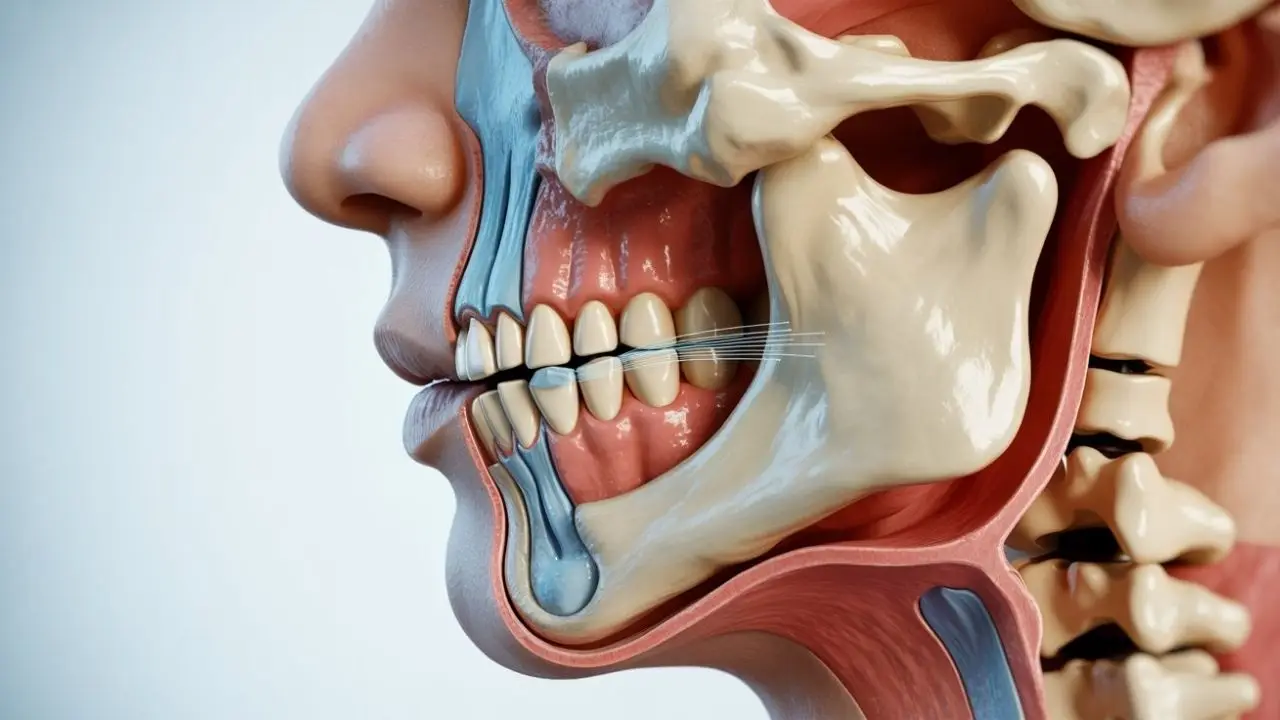
Jaw trauma in childhood often involves fractures or dislocations of the mandible or maxilla. These injuries may result from falls, sports accidents or other impacts. Because the jaw is still developing, healing patterns can differ from those seen in adults.
Over time, altered growth may cause asymmetry, bite changes or restricted mouth opening. Some people remain symptom-free for years before problems emerge.
Long-Term Effects Observed in Adulthood
Adults who experienced childhood jaw trauma sometimes report chronic discomfort, difficulty chewing or temporomandibular joint (jaw joint) disorders. Dental misalignment and facial asymmetry may also appear gradually.
These effects vary widely. Imaging and clinical examination help determine whether earlier injury contributed to current concerns.
Evaluation Process Before Treatment
A thorough assessment usually includes three-dimensional imaging, clinical examination and review of dental history. Specialists evaluate bone structure, joint function and any nerve involvement.
General health status and previous treatments are also reviewed. This information guides whether intervention is appropriate and which method may be suitable.
General Treatment Approaches
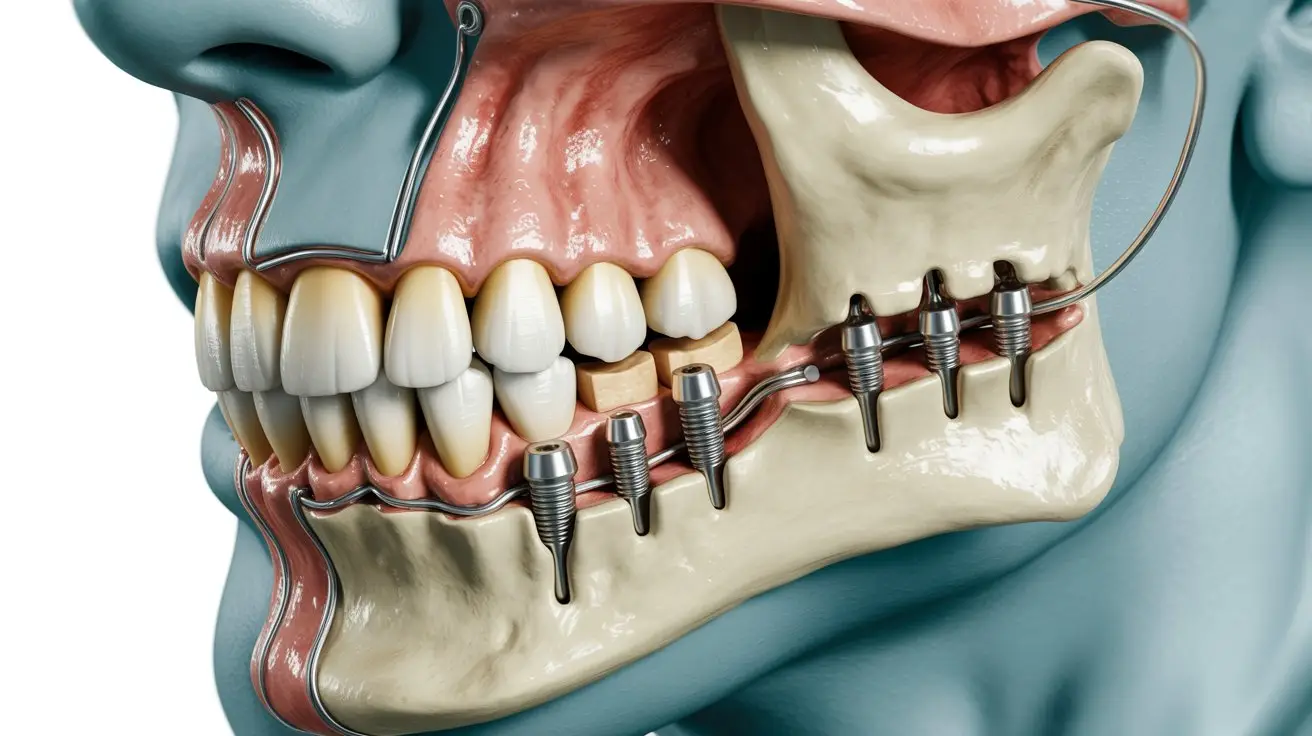
Treatment decisions depend on the specific findings. Options may range from conservative management to surgical correction when functional or aesthetic concerns are significant.
| Approach | General Description |
|---|---|
| Observation and monitoring | Regular follow-up for mild symptoms without immediate intervention. |
| Orthodontic treatment | Alignment correction using braces or aligners when bite issues predominate. |
| Orthognathic surgery | Jaw repositioning procedures considered for severe skeletal discrepancies. |
| Joint procedures | Arthroscopy or joint replacement discussed in select cases of advanced joint damage. |
Recovery and Aftercare Considerations
Recovery timelines differ according to the chosen approach. Patients are generally advised to follow dietary modifications, maintain oral hygiene and attend scheduled reviews.
Physical therapy or jaw exercises may support function restoration. Individual responses vary and require ongoing professional guidance.
Important Points to Discuss With a Specialist
- Potential impact on breathing, speech or chewing.
- Risks associated with each treatment option.
- Expected duration of recovery and follow-up needs.
- Whether combined orthodontic and surgical planning is necessary.
Sık Sorulan Sorular
Can childhood jaw trauma cause problems only in adulthood?
Yes. Growth disturbances may remain unnoticed until facial development completes and symptoms such as pain or bite changes become evident.
Is surgery always required for adult consequences of childhood jaw trauma?
Surgery is not always necessary. Many cases are managed with monitoring, orthodontics or other conservative measures depending on severity and patient goals.
How is suitability for treatment determined?
Suitability is assessed through clinical examination, imaging and discussion of symptoms. Personal medical history also influences planning.
What role does orthodontics play?
Orthodontics can correct dental alignment and prepare the bite for possible surgical procedures or improve function without surgery in milder cases.
Are there risks involved in treating old jaw injuries?
All procedures carry general risks including infection, nerve changes or incomplete correction. These are discussed during consultation based on individual findings.
Does early treatment in childhood prevent adult issues?
Early management may reduce later complications, yet some growth effects still appear despite prompt initial care.
Sonuç
Childhood jaw trauma can influence oral function and facial balance long after the original injury. Treatment options in adulthood range from observation to complex surgical planning. Personal evaluation with appropriate imaging remains the only reliable way to determine the most suitable path forward.
Uzman Bilgisi
This content has been prepared for general informational purposes in the field of oral and maxillofacial surgery. Prof. Dr. Celal Çandırlı’s more than twenty years of professional experience and training at England’s NHS Poole Hospital and Newcastle Freeman Hospital support the scientific and clinical perspective presented.
This content is for general informational purposes only and does not replace diagnosis or treatment. Please consult a dentist or relevant specialist healthcare professional for any concerns regarding oral, dental or jaw health.