Causes of Jaw Joint Pain and Treatment Options
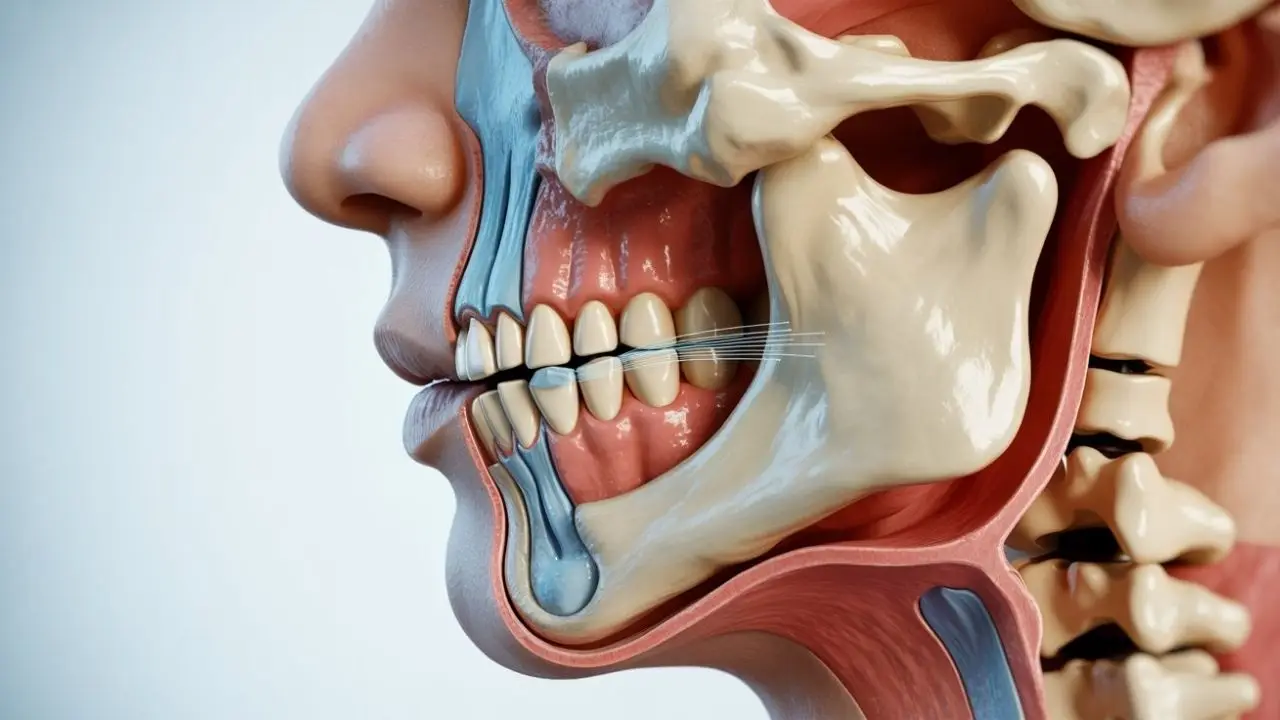
Jaw joint pain often relates to issues with the temporomandibular joint (jaw joint). This joint connects the lower jaw to the skull and allows essential movements for chewing, speaking and yawning.
Many people experience discomfort in this area at some point. Understanding possible causes of jaw pain helps raise awareness, yet every individual’s situation differs and requires professional assessment.
This article outlines general information on causes of jaw joint pain, associated symptoms and TMJ treatment approaches, including when jaw surgery may be considered.
What Is the Temporomandibular Joint?
The temporomandibular joint (jaw joint) functions as a hinge and sliding mechanism. It is supported by muscles, ligaments and a cartilage disc that cushions movement. Problems here can lead to jaw joint pain and limited function.
Common Causes of Jaw Joint Pain
Several factors may contribute to discomfort in the temporomandibular joint. These include teeth grinding, jaw clenching, arthritis, injury or misalignment of the bite. Stress can also increase muscle tension around the joint.
- Repetitive habits such as gum chewing or nail biting
- Previous trauma to the face or jaw
- Degenerative joint diseases
- Disc displacement within the joint
Typical Symptoms Associated with TMJ Disorders
Individuals may notice clicking or popping sounds, difficulty opening the mouth fully, headaches or ear pain. Swelling on one side of the face can also occur. These signs vary widely between people.
| Factor | General Description |
|---|---|
| Muscle Tension | Often linked to stress or habits; may improve with relaxation techniques. |
| Joint Inflammation | Can result from arthritis or injury; evaluation determines the type. |
| Structural Issues | Disc problems or bite misalignment; imaging helps clarify the situation. |
General Approaches to TMJ Treatment
TMJ treatment usually begins with conservative steps. These may involve lifestyle adjustments, physical therapy exercises, splints or medication for inflammation. More advanced options are considered only after thorough evaluation.
When Jaw Surgery May Be Discussed
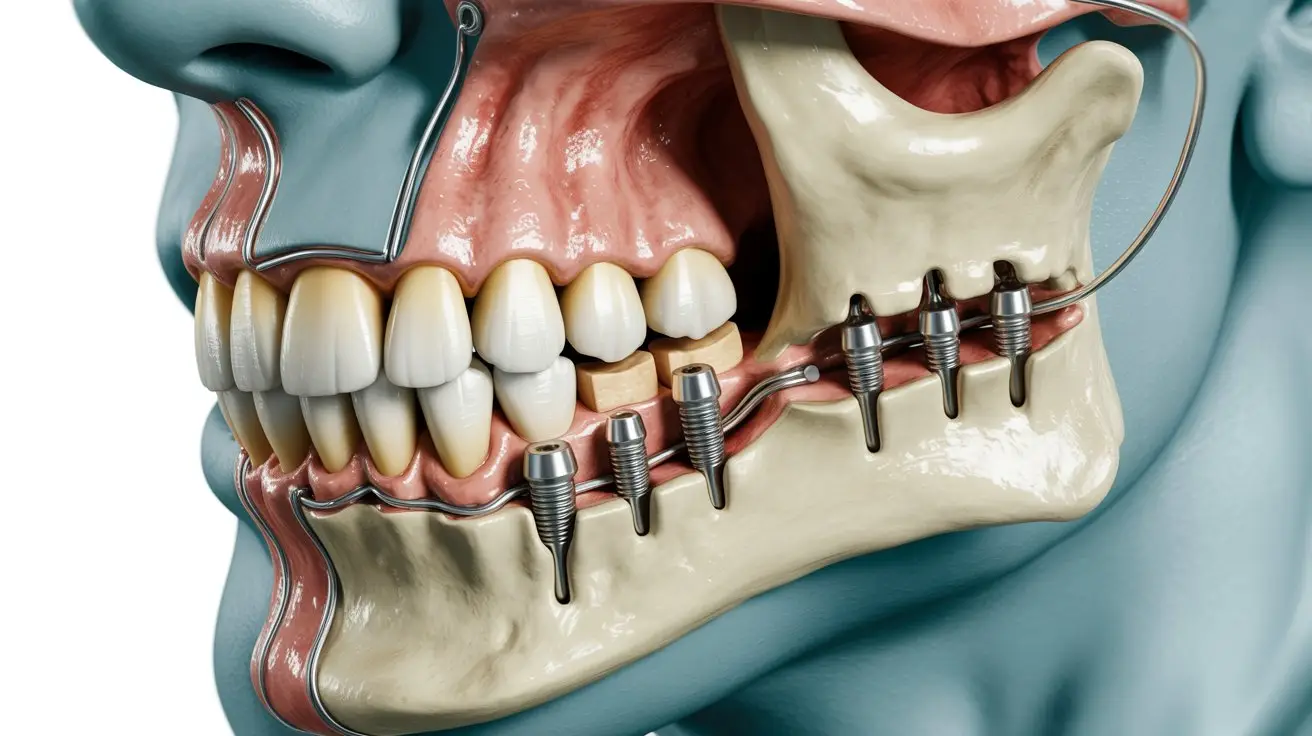
Jaw surgery is rarely the first step for jaw joint pain. It can be evaluated in cases of severe structural damage, significant functional impairment or when other methods have not provided sufficient relief. Suitability always depends on individual findings from clinical examination and imaging.
Why Personal Evaluation Matters
Self-diagnosis is not reliable because symptoms of jaw joint pain can overlap with other conditions. Three-dimensional scans and a detailed history help determine whether the temporomandibular joint is the primary source of discomfort.
Sık Sorulan Sorular
Can stress directly cause jaw joint pain?
Stress may increase muscle tension around the temporomandibular joint and contribute to habits like clenching, yet not every stressed person develops pain. Individual factors play a role.
Is jaw surgery necessary for most TMJ problems?
Jaw surgery is considered only in specific, severe cases after conservative TMJ treatment options have been explored. Most situations are managed without surgical intervention.
How long does recovery from TMJ treatment usually take?
Recovery timelines vary depending on the chosen approach and the person’s overall health. Some experience improvement within weeks, while others require longer management.
Are there exercises that help with causes of jaw pain?
Gentle jaw stretches and relaxation techniques are sometimes recommended, but they should be performed only under professional guidance to avoid worsening symptoms.
Can arthritis affect the temporomandibular joint?
Yes, different forms of arthritis can involve the jaw joint and lead to pain or reduced movement. Proper diagnosis guides the management plan.
Should everyone with clicking sounds seek treatment?
Not every clicking sound indicates a problem requiring treatment. A specialist can assess whether the temporomandibular joint needs attention or if monitoring is sufficient.
Sonuç
Jaw joint pain linked to the temporomandibular joint has multiple possible causes and management pathways. Awareness of symptoms and general treatment concepts supports informed decisions, yet personal evaluation by a qualified professional remains essential to determine the most appropriate steps for each case.
Expert Information
This content has been prepared for informational purposes in the field of oral, dental and maxillofacial surgery. Prof. Dr. Celal Çandırlı’s over 20 years of professional experience and his training at England NHS Poole Hospital and Newcastle Freeman Hospital contribute to addressing the topic within a scientific and clinical framework.
This content is prepared solely for general informational purposes; it does not replace diagnosis or treatment. For complaints related to oral, dental and jaw health, you should consult your dentist or relevant specialist healthcare professional.