Recovery Guide After Orthognathic Surgery
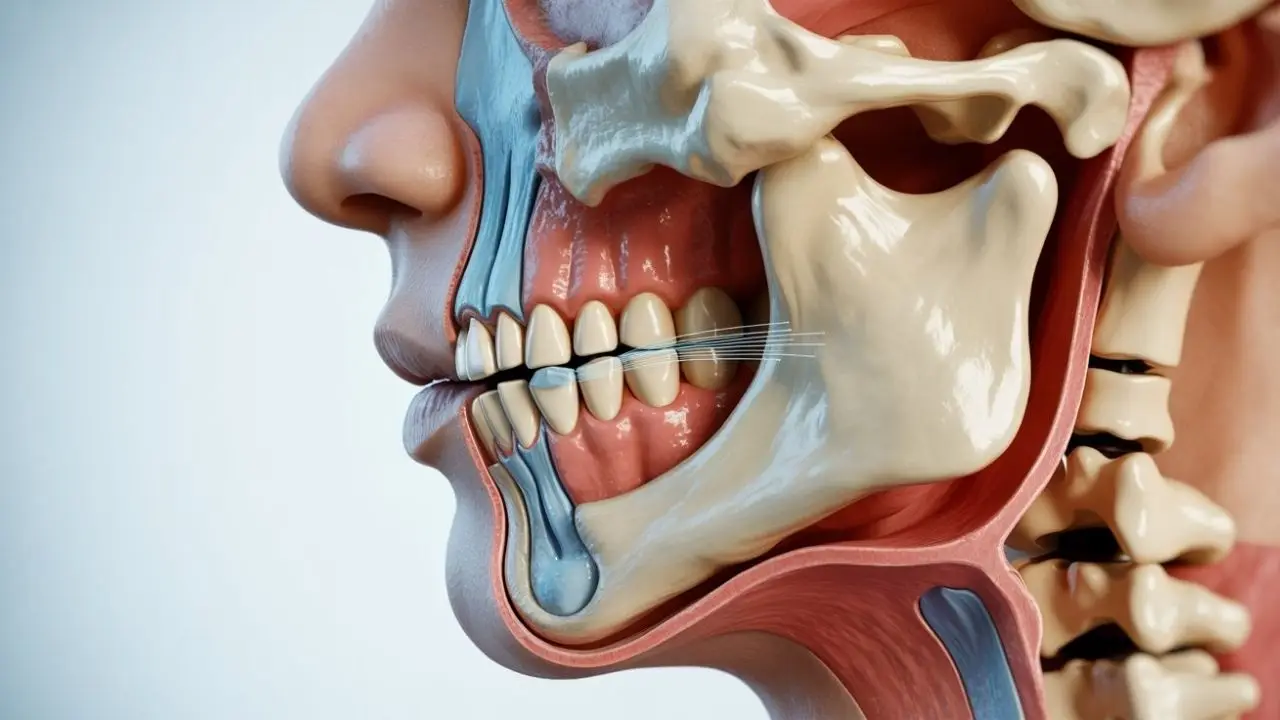
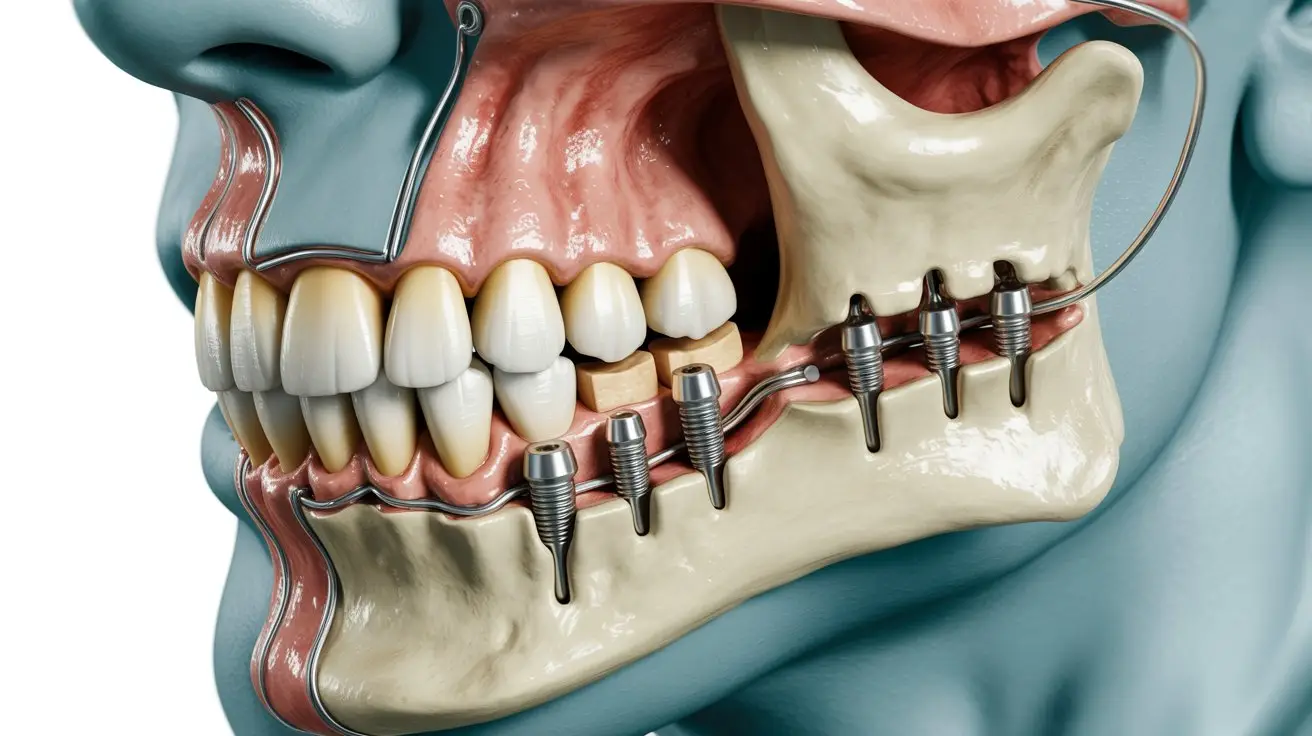
Orthognathic surgery, also known as jaw correction surgery, is a procedure that addresses structural issues in the jaws. The recovery process after jaw surgery requires careful attention to support healing and comfort. This guide outlines general aspects of what patients may experience during recovery.
Each individual’s healing timeline can vary based on personal health factors and the specifics of the procedure. Understanding typical stages helps set realistic expectations while emphasizing the need for professional guidance.
Understanding the Recovery Process After Jaw Surgery
The recovery process after jaw surgery generally unfolds in phases. Initial swelling and discomfort are common in the first weeks. Most patients notice gradual improvement over several months as tissues heal and function returns.
Rest, prescribed medications, and following post-operative instructions play important roles. Regular follow-up visits allow monitoring of progress and adjustment of care plans when needed.
Nutrition After Orthognathic Surgery
Nutrition after orthognathic surgery focuses on soft or liquid foods to avoid stressing the surgical sites. Adequate protein, vitamins, and hydration support tissue repair during this period.
Patients often start with smoothies, soups, and nutritional supplements. As healing advances, the diet expands under professional advice. Maintaining balanced intake helps prevent complications and promotes steady recovery.
| Stage | General Nutrition Focus |
|---|---|
| First 1-2 weeks | Liquid diet with high-calorie supplements |
| Weeks 3-6 | Soft foods such as mashed vegetables and yogurt |
| After 6 weeks | Gradual return to normal textures as tolerated |
Daily Care and Activity Guidelines
- Keep the head elevated while resting to reduce swelling.
- Perform gentle mouth rinses as instructed to maintain oral hygiene.
- Avoid strenuous activities until cleared by the surgical team.
- Apply cold compresses in the early days for comfort.
Possible Challenges During Recovery
Some patients report temporary changes in sensation, speech, or jaw movement. These effects usually improve over time but should be discussed with the healthcare provider if they persist.
Monitoring for signs such as excessive bleeding or infection remains essential. Prompt communication with the care team supports safe management of any concerns.
Sık Sorulan Sorular
How long does the recovery process after jaw surgery typically last?
Full recovery from orthognathic surgery often takes three to six months, though initial healing occurs within the first few weeks. Individual timelines depend on personal factors and should be confirmed through clinical assessment.
What type of nutrition after orthognathic surgery is recommended?
Soft and liquid foods rich in nutrients are generally advised in the early stages. A dietitian or surgeon can tailor recommendations based on the patient’s specific needs.
Can swelling return during the recovery process after jaw surgery?
Swelling may fluctuate, especially in the first month. Consistent elevation and prescribed care help minimize this, but final resolution varies among individuals.
When can normal eating resume after orthognathic surgery?
Most patients transition gradually after six weeks, yet complete return to regular textures may require several months and professional approval.
Is physical activity restricted after jaw correction surgery?
Light walking is often encouraged early on, while intense exercise is usually delayed. Clearance from the surgical team determines safe resumption.
Does everyone experience the same recovery process after jaw surgery?
No. Healing differs based on age, health status, and surgical details. Personal evaluation remains the only way to understand individual expectations.
Orthognathic surgery recovery involves patience and adherence to general guidelines on swelling management, nutrition after orthognathic surgery, and activity levels. Personal assessment by a qualified professional determines the most appropriate plan for each case.
Expert Information
This content is prepared for general informational purposes in the field of oral, dental, and maxillofacial surgery. Prof. Dr. Celal Çandırlı’s over 20 years of professional experience and training at England NHS Poole Hospital and Newcastle Freeman Hospital contribute to presenting the topic within a scientific and clinical framework.
This content is prepared solely for general informational purposes; it does not replace diagnosis or treatment. For complaints related to oral, dental, and jaw health, consult your dentist or relevant specialist healthcare professional.