Implant Applications After Facial Trauma: General Information
Implant applications after facial trauma involve the use of specialized materials to support healing and restore structure following injury to the face. These procedures may be considered when bone loss or damage affects areas such as the jaw or cheekbones.
Facial trauma can result from accidents, falls, or sports injuries. In such cases, facial implant options or jaw reconstruction techniques might be evaluated to help stabilize the affected regions.
This article provides general information about how these applications are assessed, what materials like titanium plate are sometimes used, and why individual evaluation matters.
What Is Facial Trauma and How Does It Affect the Jaw?
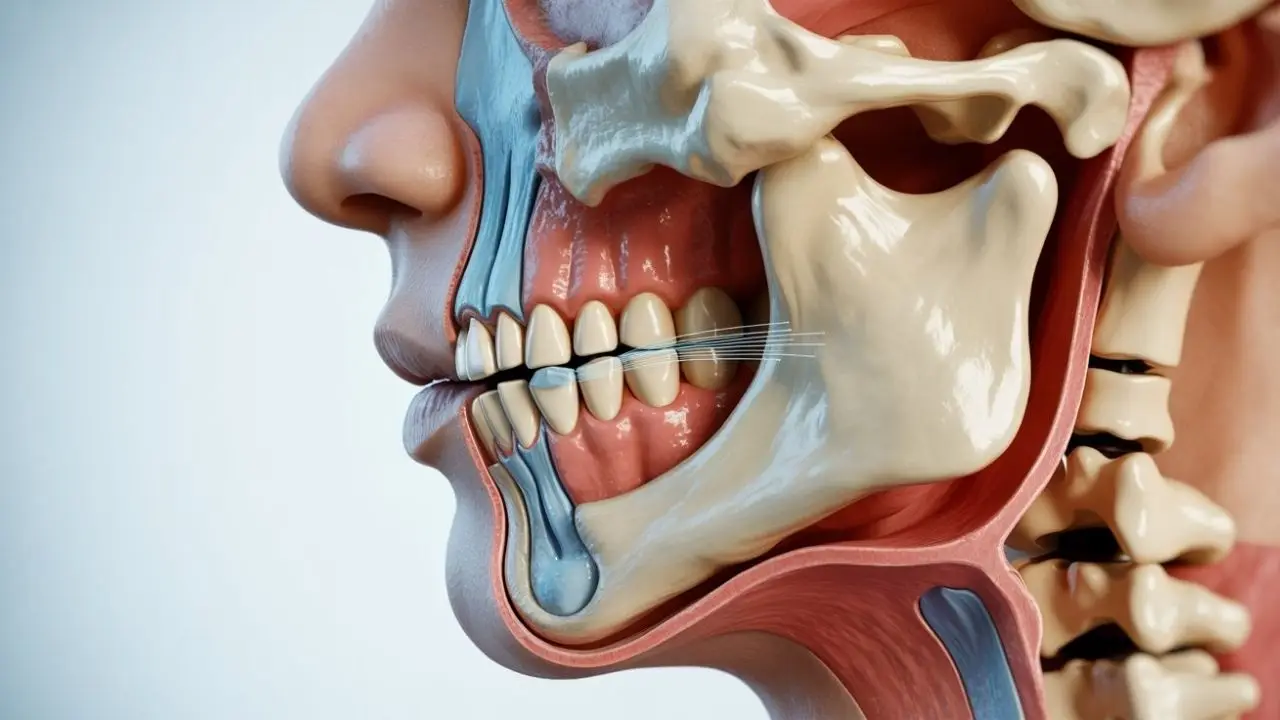
Facial trauma refers to injuries involving the bones, soft tissues, or joints of the face. When the jaw is involved, chewing, speaking, and breathing can become difficult.
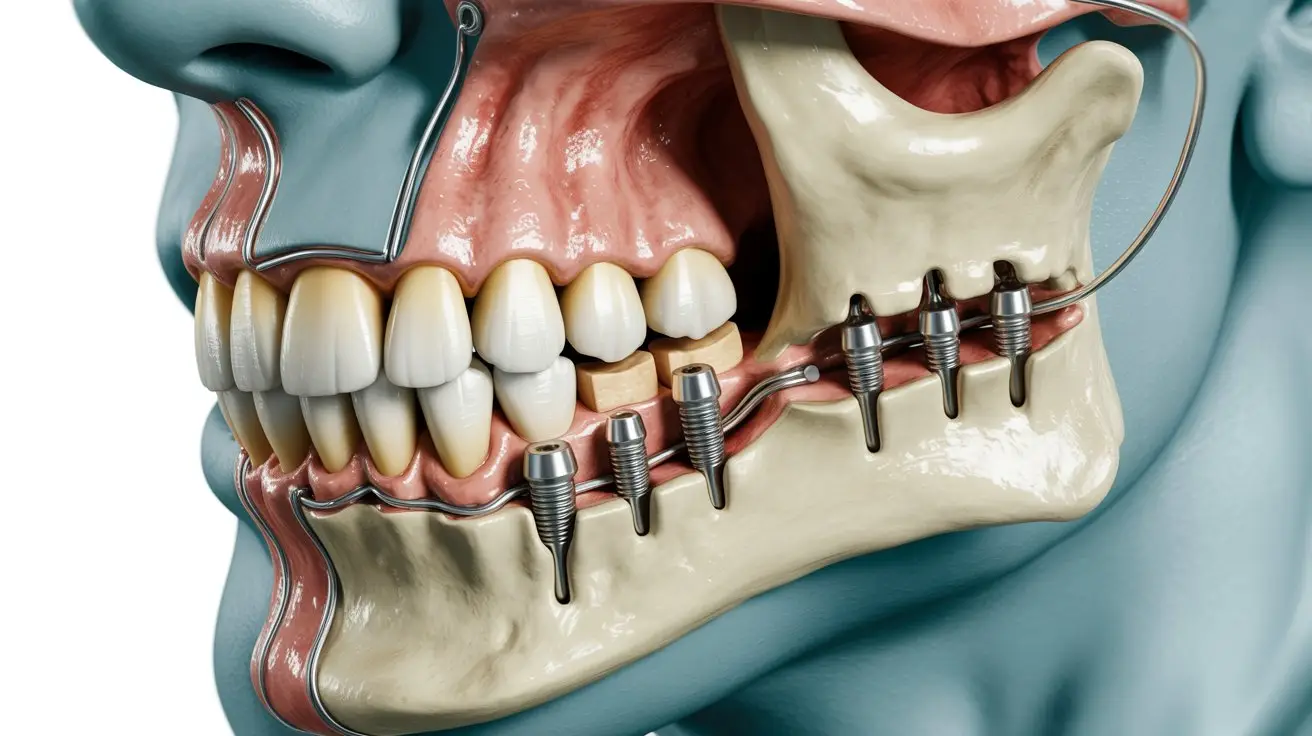
Trauma surgery may be needed to realign bones. After initial stabilization, further reconstruction might include the placement of implants to replace missing bone support.
Common Materials Used in Facial Implant Procedures
Materials are selected based on compatibility with the body and the specific location of the injury. Titanium plate is one option often discussed because it can provide strong, lightweight support.
Other implants may be made from medical-grade materials designed to integrate with existing bone over time. The choice depends on imaging results and the patient’s overall health.
| Material | General Characteristics |
|---|---|
| Titanium plate | Strong, biocompatible, commonly used for fixation |
| Bone graft substitutes | May support new bone growth in some cases |
| Custom implants | Designed from scans to match individual anatomy |
When Might Facial Implant or Jaw Reconstruction Be Considered?
These approaches may be discussed when standard healing is not sufficient or when significant bone loss has occurred. Suitability varies widely between individuals.
- Extent of the original injury
- Quality and quantity of remaining bone
- Presence of infection or other complications
- Overall medical condition of the patient
General Process and Recovery Considerations
Evaluation usually includes clinical examination and three-dimensional imaging. Planning takes into account both functional and aesthetic aspects.
After any procedure, follow-up care focuses on infection prevention, swelling management, and gradual return to normal function. Healing timelines differ for each person.
Frequently Asked Questions
Are implant applications after facial trauma suitable for everyone?
These applications are not appropriate for every patient. Factors such as bone quality, healing capacity, and general health are assessed individually through examination and imaging.
How long does recovery typically take after jaw reconstruction?
Recovery varies depending on the injury and the procedures performed. Some patients need several months for bone healing and soft tissue adaptation.
What role does a titanium plate play in trauma surgery?
A titanium plate can help hold bone segments in position during healing. Its use is determined by the surgeon based on the specific fracture pattern.
Can facial implant materials cause complications?
As with any surgical material, risks such as infection or rejection exist. These possibilities are discussed during the planning stage with the treating specialist.
Are there alternatives to implant placement after facial trauma?
Alternatives may include bone grafting from the patient’s own body or observation with supportive therapy. The most suitable option is identified after detailed assessment.
Why is personal evaluation important before considering any implant?
Each case of facial trauma presents unique challenges. Only a qualified professional can determine whether facial implant or jaw reconstruction is advisable after reviewing all findings.
Conclusion
Implant applications after facial trauma represent one possible approach to support recovery when bone structure has been significantly affected. Decisions about facial implant use, jaw reconstruction, or titanium plate fixation require careful individual assessment through clinical examination and imaging.
Expert Information
This content has been prepared for general informational purposes in the field of oral, dental, and maxillofacial surgery. Prof. Dr. Celal Çandırlı’s more than 20 years of professional experience and training at England NHS Poole Hospital and Newcastle Freeman Hospital contribute to the scientific and clinical framing of the topic.
This content is for general informational purposes only and does not replace diagnosis or treatment. For any complaints related to oral, dental, and maxillofacial health, consult your dentist or relevant specialist healthcare professional.