Lower Jaw Deviation Symptoms and Surgical Solutions
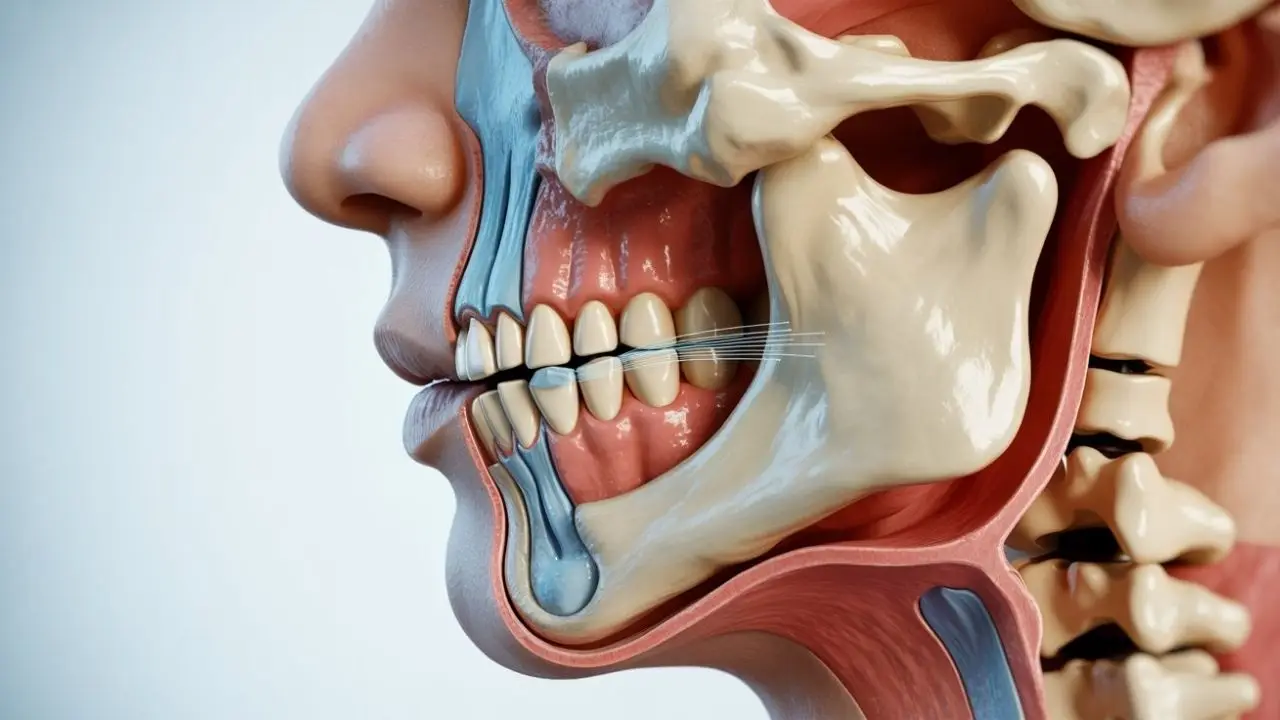
Lower jaw deviation refers to a condition where the lower jaw shifts noticeably to one side, creating visible jaw asymmetry. This misalignment can affect both appearance and function, often leading individuals to seek information about possible causes and management options.
The condition may develop gradually or appear after injury or growth issues. Understanding common symptoms helps patients recognize when professional evaluation might be beneficial.
This article explores typical signs of lower jaw deviation, factors that may contribute to it, and general information about orthognathic surgery as one surgical approach. Each case varies, so personal assessment remains essential.
What Causes Lower Jaw Deviation?
Lower jaw deviation can result from developmental differences, trauma, or habits that influence jaw growth. Genetic factors and childhood conditions sometimes play a role in creating uneven mandibular positioning.
In some situations, temporomandibular joint disorders contribute to the shift over time. Early detection through imaging and clinical examination allows clearer understanding of the underlying structure.
Common Symptoms of Jaw Asymmetry
- Visible facial asymmetry with one side of the chin appearing displaced
- Difficulty chewing or biting evenly on both sides
- Jaw clicking, popping, or limited mouth opening
- Speech changes or discomfort during prolonged talking
- Headaches or muscle tension around the face and neck
How Orthognathic Surgery Addresses Jaw Asymmetry
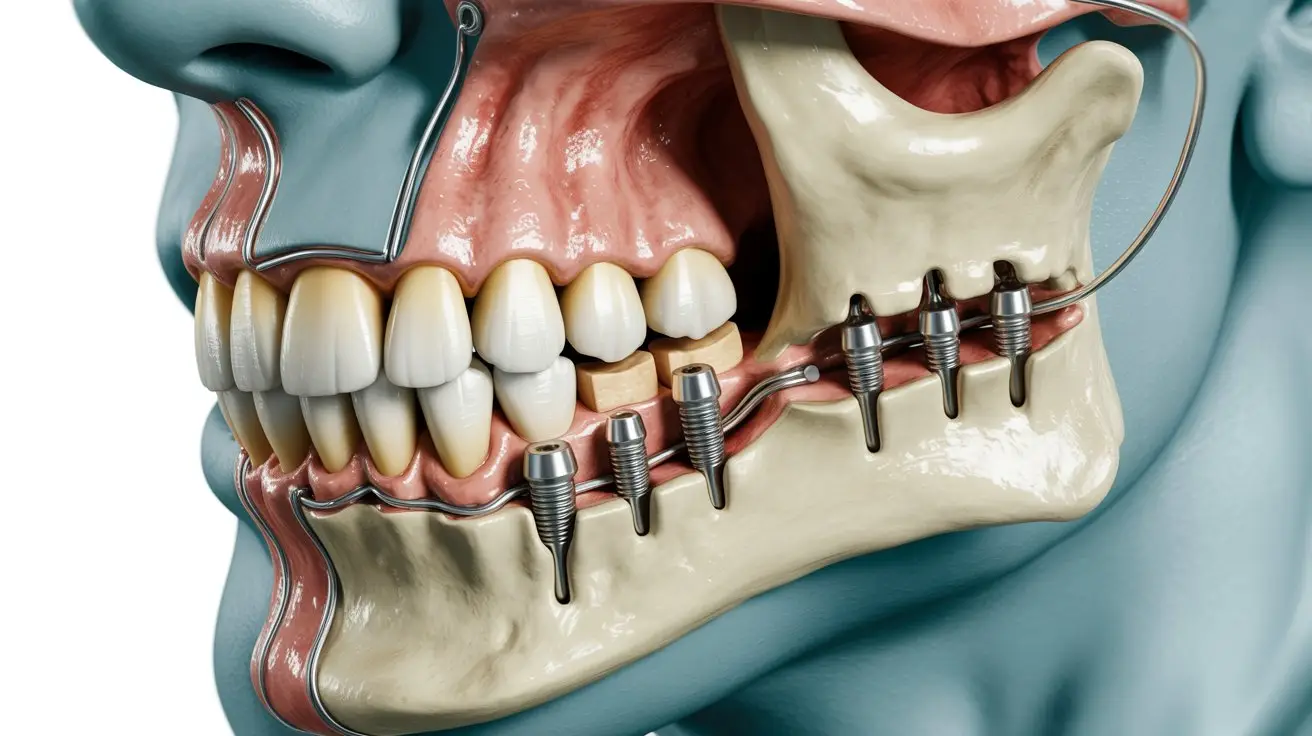
Orthognathic surgery, also known as corrective jaw surgery, aims to reposition the lower jaw to improve both function and facial symmetry. The procedure involves careful planning using three-dimensional imaging to determine the exact movements required.
Recovery involves a period of soft diet and gradual return to normal activities. Swelling and temporary changes in sensation are expected parts of the healing process.
| Aspect | General Information |
|---|---|
| Evaluation | Clinical examination combined with imaging helps assess bone position and joint health. |
| Suitability | Depends on skeletal maturity, overall health, and degree of deviation. |
| Alternatives | Orthodontic treatment or camouflage approaches may be considered in milder cases. |
Considerations Before Choosing Surgical Options
Patients exploring jaw aesthetics through surgery should discuss potential risks such as nerve sensitivity or relapse with their surgeon. Pre-surgical orthodontics often aligns teeth to support the new jaw position.
Post-operative care focuses on maintaining oral hygiene and following dietary guidelines to support bone healing. Regular follow-up appointments help monitor progress.
Frequently Asked Questions
Can lower jaw deviation cause breathing difficulties?
In certain cases, significant deviation may influence airway space, though this varies widely between individuals and requires specific imaging for assessment.
Is orthognathic surgery the only solution for jaw asymmetry?
No single approach fits all situations. Orthognathic surgery represents one option among others, and suitability depends on detailed evaluation of skeletal and dental relationships.
How long does recovery from jaw surgery typically take?
Initial healing often spans several weeks, with full bone remodeling continuing for months. Individual timelines differ based on the extent of movement and personal health factors.
Does lower jaw deviation always require treatment?
Many people live with mild deviation without functional problems. Treatment decisions hinge on symptoms, bite function, and personal concerns rather than appearance alone.
What role does facial symmetry play in treatment planning?
Facial symmetry serves as one consideration alongside chewing efficiency, joint health, and airway function when discussing possible surgical solutions.
Can children develop lower jaw deviation?
Yes, growth discrepancies during childhood or adolescence may lead to deviation. Monitoring by specialists helps determine whether early intervention could be appropriate.
Conclusion
Lower jaw deviation and resulting jaw asymmetry present differently for each person. Orthognathic surgery offers one pathway to address both functional and aesthetic concerns when indicated. Thorough evaluation by qualified professionals remains the most reliable way to understand individual options.
Expert Information
This content provides general information on oral and maxillofacial topics. Prof. Dr. Celal Çandırlı’s more than twenty years of experience and training at England’s NHS Poole Hospital and Newcastle Freeman Hospital support the scientific framing of the discussion.
This content is for general informational purposes only and does not replace professional diagnosis or treatment. Consult a dentist or maxillofacial specialist for personal concerns regarding jaw health.