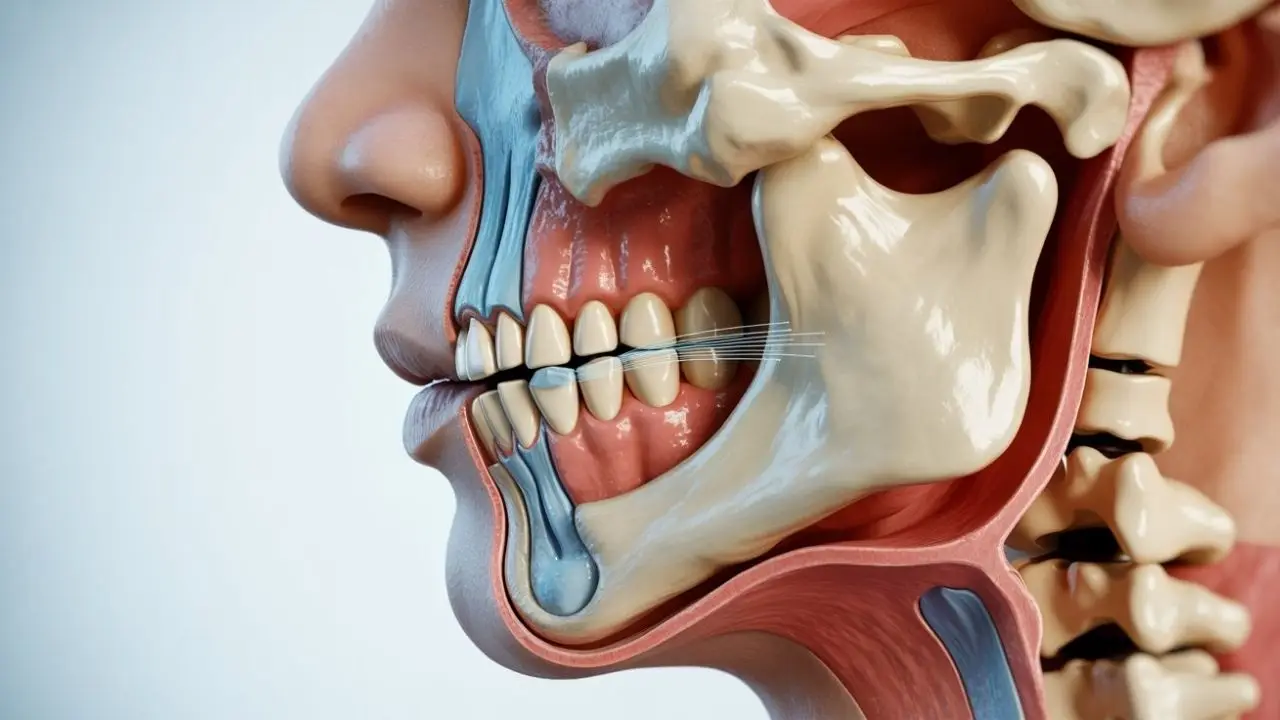
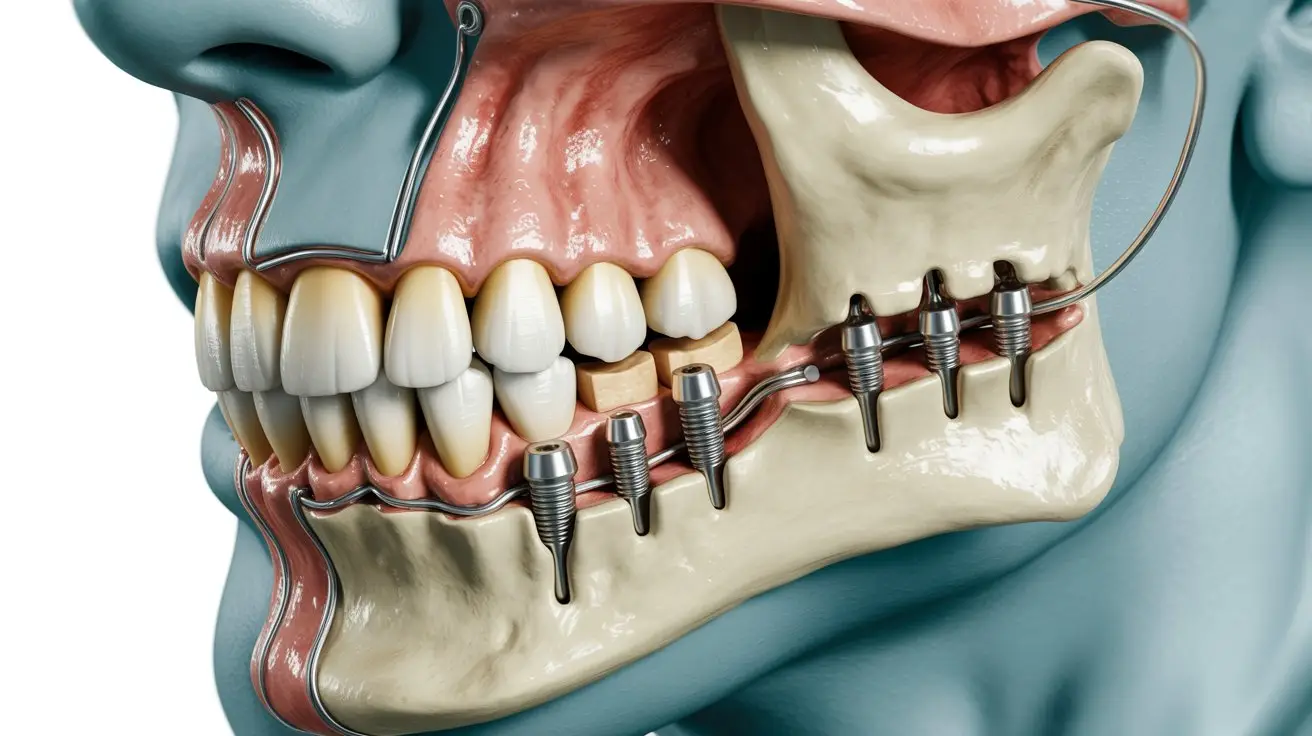
Jaw Cancer Symptoms and the Role of Early Diagnosis
Jaw cancer refers to malignant growths that develop in the bones or soft tissues of the jaw. Early recognition of jaw cancer symptoms can support timely medical evaluation and improve management options.
Patients often notice changes in the mouth or face that prompt further checks. Understanding these signs helps individuals seek professional assessment without delay.
What Are Common Jaw Cancer Symptoms?
Jaw cancer may present with persistent swelling, pain, or numbness in the jaw area. Difficulty opening the mouth or chewing can also occur as the condition progresses.
Other signs include loose teeth without clear cause, red or white patches inside the mouth, and unexplained bleeding. These symptoms overlap with many benign conditions, making professional evaluation essential.
How Does Jaw Cancer Differ From Other Oral Issues?
Jaw cancer is distinct from common dental problems because symptoms often persist beyond two weeks. Oral cancer and jaw tumor symptoms may appear similar at first but require imaging and biopsy for accurate identification.
- Persistent pain not relieved by standard dental care
- Visible lumps or growths on the jawbone
- Changes in bite alignment or facial symmetry
Why Is Early Diagnosis Important?
Early diagnosis allows for a wider range of treatment approaches, including possible jaw surgery when needed. Delaying evaluation can limit options and affect outcomes.
| Stage | General Characteristics |
|---|---|
| Early | Limited to small area, often localized symptoms |
| Advanced | Possible spread, more complex symptoms |
| Evaluation | Requires clinical exam and imaging |
What Factors Influence Diagnostic Process?
Diagnosis typically begins with a thorough clinical examination followed by imaging such as panoramic X-rays or CT scans. Biopsy confirms whether changes represent jaw cancer or another condition.
Individual health history, including tobacco use or prior radiation exposure, may guide the assessment. No single symptom confirms cancer, so personal consultation remains necessary.
Sık Sorulan Sorular
Can jaw cancer cause tooth pain?
Tooth pain can occur with jaw cancer but also arises from many non-cancerous dental issues. Only a professional evaluation can determine the cause.
Are jaw tumor symptoms always painful?
Not every case involves pain. Some patients notice swelling or numbness first, which is why regular oral checks matter.
How is jaw cancer diagnosed?
Diagnosis involves clinical examination, imaging, and often biopsy. Results guide further steps and cannot be predicted without these assessments.
Does early diagnosis improve outcomes?
Earlier identification generally allows more treatment choices, though individual results vary based on many factors.
Can jaw surgery treat jaw cancer?
Jaw surgery may form part of treatment plans when appropriate, yet suitability depends on thorough medical evaluation.
Who should be screened for oral cancer?
Anyone with persistent oral changes or risk factors should consult a specialist. Screening decisions are made case by case.
Sonuç
Jaw cancer symptoms can resemble other oral conditions, underscoring the need for professional assessment. Early diagnosis supports informed decisions about care, including possible jaw surgery when indicated. Personal evaluation by a qualified health professional remains the only way to determine next steps.
Uzman Bilgisi
This content is prepared for general informational purposes in oral and maxillofacial surgery. Prof. Dr. Celal Çandırlı’s over 20 years of experience and training at England’s NHS Poole Hospital and Newcastle Freeman Hospital contribute to evidence-based discussion of these topics.
This content is for general informational purposes only and does not replace diagnosis or treatment. Consult a dentist or specialist for any jaw or oral health concerns.