The Importance of Early Diagnosis in TMJ Disorders
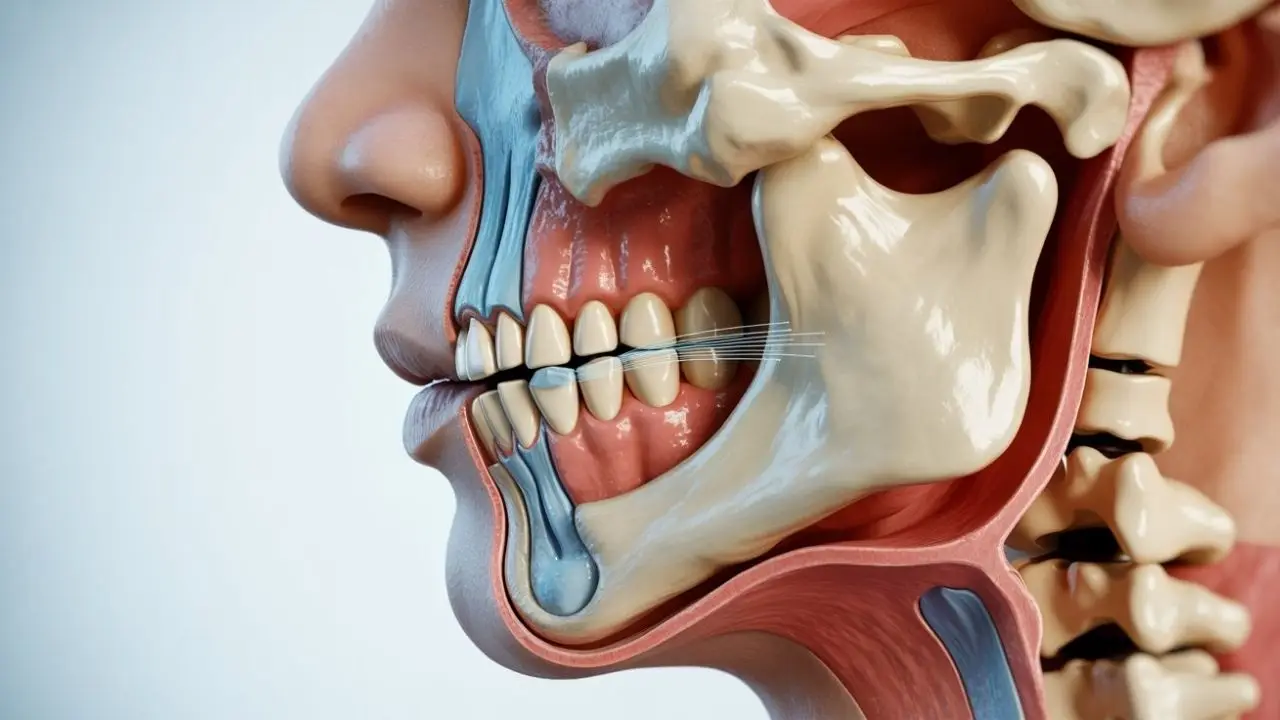
TMJ disorders affect the temporomandibular joint that connects the jawbone to the skull. Early diagnosis plays a key role in managing symptoms such as jaw pain and limited movement before they become more complex.
Joint disorders in this area can develop gradually. Recognizing signs early allows for simpler evaluation methods and may reduce the need for more involved procedures like jaw surgery later on.
What Is the Temporomandibular Joint?
The temporomandibular joint, commonly called TMJ, works like a hinge and allows the jaw to move up, down, and side to side. Problems here can cause pain, clicking sounds, or difficulty chewing.
Common Signs of TMJ Disorders
- Jaw pain or tenderness that lasts more than a few days
- Clicking or popping when opening the mouth
- Headaches that start near the temples
- Difficulty opening the mouth wide
- Ear pain without infection
Why Early Diagnosis Matters for TMJ
Early diagnosis of TMJ disorders helps identify the cause of jaw pain before it affects daily activities. Imaging and clinical checks can reveal whether the issue stems from muscle tension, disc displacement, or arthritis.
| Evaluation Step | General Information |
|---|---|
| Clinical Exam | Checks jaw movement and tenderness |
| Imaging | May include X-ray or MRI to view joint structure |
| History Review | Looks at habits and past injuries |
When Jaw Surgery Might Be Considered
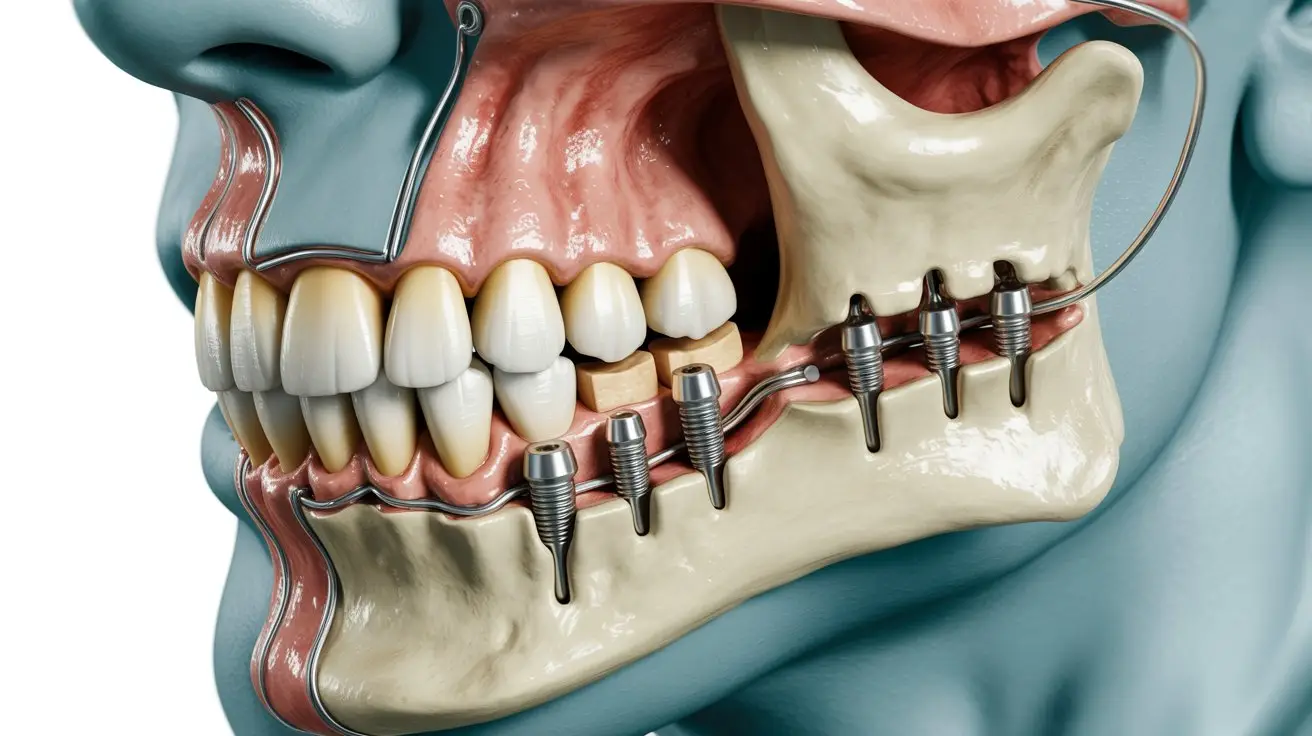
Jaw surgery is rarely the first option for joint disorders. It may be discussed only after conservative approaches do not provide relief and imaging shows structural problems that require correction.
General Factors That Influence TMJ Health
- Teeth grinding or clenching
- Arthritis or other inflammatory conditions
- Previous jaw injuries
- Stress-related muscle tension
Sık Sorulan Sorular
Can TMJ disorders cause lasting jaw pain?
TMJ disorders may lead to ongoing discomfort if left unaddressed. Early evaluation helps determine the best approach for each individual.
Is early diagnosis always possible for temporomandibular joint problems?
Early diagnosis depends on symptom recognition and professional assessment. Some signs appear slowly, so regular dental check-ups can help.
Does every case of jaw pain require jaw surgery?
Jaw surgery is not needed in most TMJ cases. Many people improve with non-surgical methods after proper diagnosis.
How do joint disorders differ from simple jaw pain?
Joint disorders often involve structural changes inside the temporomandibular joint, while simple pain may come from muscle strain alone.
What role does early diagnosis play in treatment planning?
Early diagnosis allows clinicians to choose suitable steps and monitor progress before symptoms worsen.
Can lifestyle changes support TMJ health?
Soft diet, stress management, and avoiding extreme jaw movements may help reduce strain on the temporomandibular joint.
Sonuç
TMJ disorders can affect daily comfort and function. Early diagnosis provides clearer information about the condition and supports informed decisions about care. Personal evaluation by a qualified professional remains essential for accurate assessment.
Uzman Bilgisi
This content is prepared for general informational purposes in the field of oral, dental and maxillofacial surgery. Prof. Dr. Celal Çandırlı’s more than 20 years of professional experience and training at England NHS Poole Hospital and Newcastle Freeman Hospital contribute to presenting the topic within a scientific and clinical framework.
This content is for general information purposes only and does not replace diagnosis or treatment. For complaints related to oral, dental and jaw health, consult your dentist or relevant specialist health professional.