Who Are Ideal Candidates for Jaw Aesthetic Surgery?
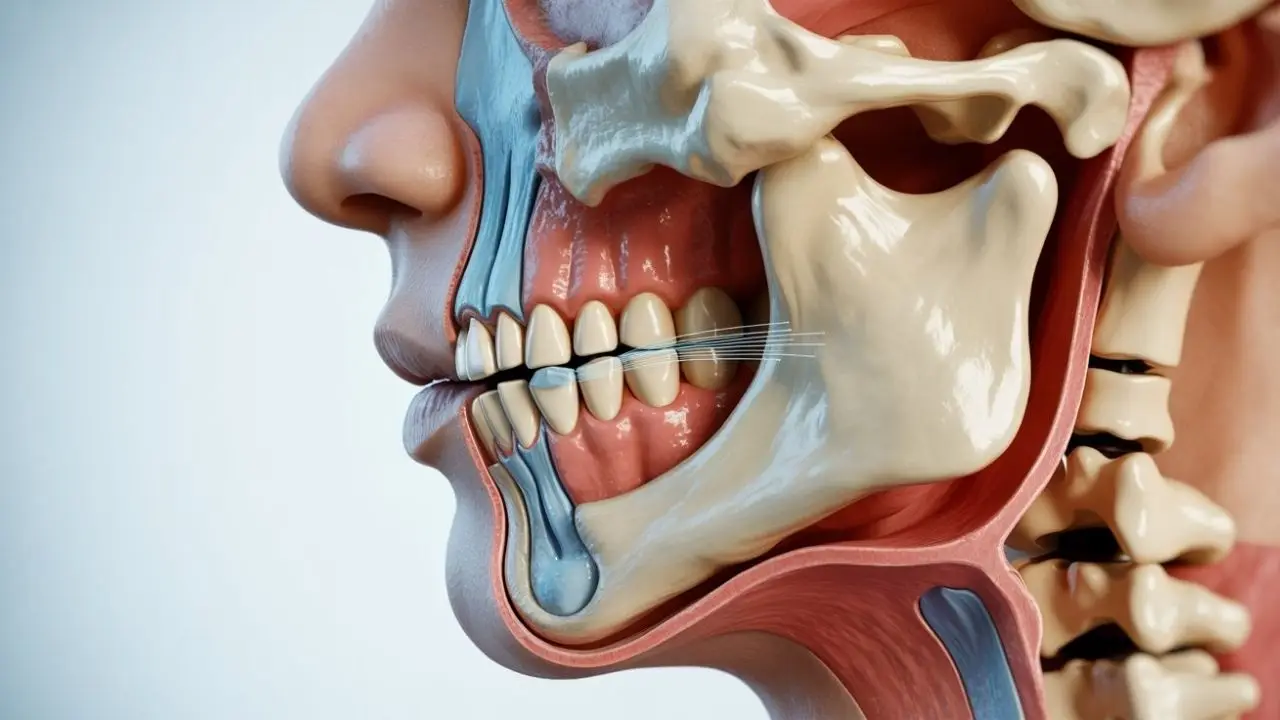
Jaw aesthetics refers to procedures that can improve the balance and proportion of the lower face. Patients often explore jaw surgery when they notice asymmetry, a receding chin, or misalignment that affects daily function and appearance.
This article outlines general information about who might be considered for such procedures. Every individual’s facial structure and health history differ, so personal evaluation by a qualified specialist remains essential.
What Does Jaw Aesthetic Surgery Involve?
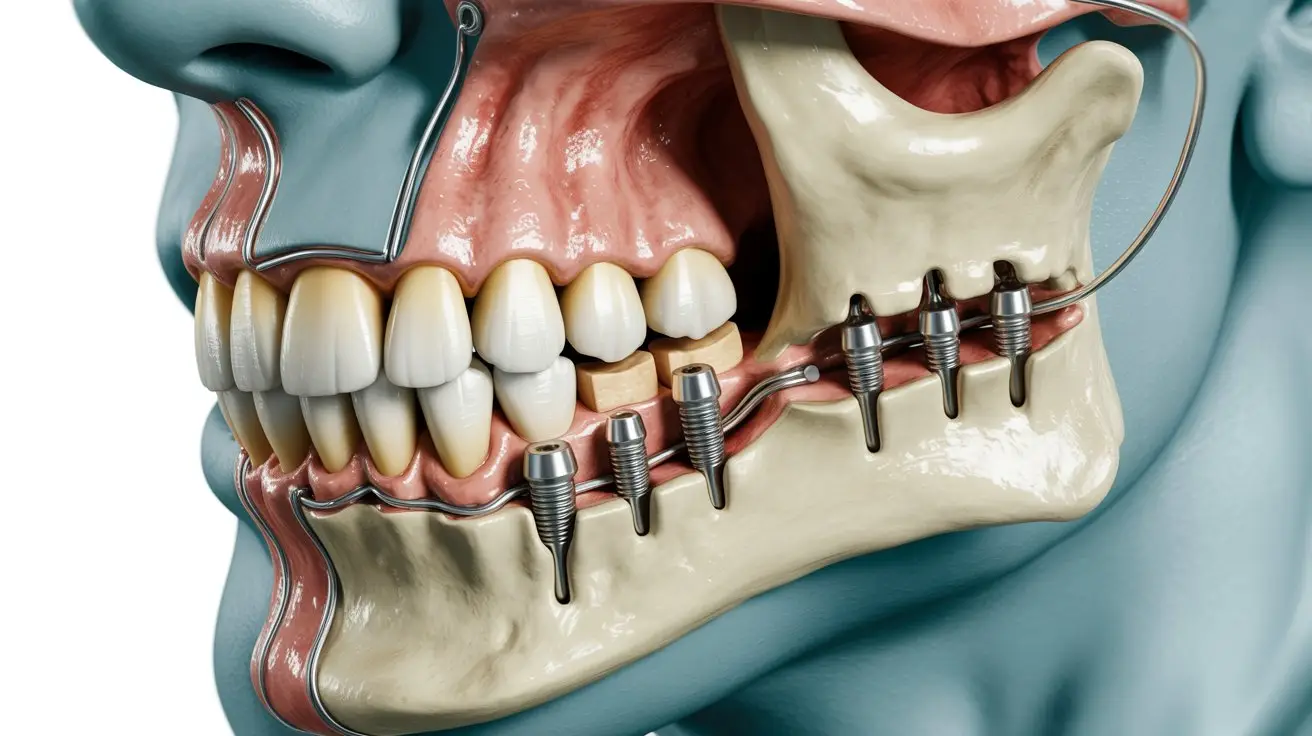
Jaw aesthetic surgery encompasses techniques such as genioplasty and the use of implants to modify chin position or jaw contour. These approaches aim to support facial harmony rather than guarantee specific outcomes.
General Criteria for Considering Jaw Surgery
Candidates typically present with certain skeletal or soft-tissue characteristics. The following table summarises common points that may prompt further assessment.
| Factor | General Description |
|---|---|
| Bone Structure | Noticeable discrepancy between upper and lower jaw may be evaluated with imaging. |
| Chin Position | Receding or overly prominent chin can influence decisions about genioplasty or implant placement. |
| Occlusion | Misalignment of teeth may require combined orthodontic and surgical planning. |
| Overall Health | Absence of uncontrolled medical conditions supports safer healing. |
Role of Genioplasty and Implants
Genioplasty involves reshaping or repositioning the chin bone. In selected cases an implant can add volume or projection. Both options are discussed only after thorough clinical and radiographic review.
Factors That May Limit Suitability
- Active jaw growth in younger patients
- Severe systemic diseases affecting bone healing
- Unrealistic expectations about final facial harmony
- Insufficient bone volume for stable implant placement
Pre- and Post-Procedure Considerations
Before any intervention, three-dimensional imaging and dental records help map individual anatomy. After surgery, patients usually follow dietary modifications and attend scheduled follow-ups to monitor recovery.
Frequently Asked Questions
Is jaw aesthetics suitable for everyone with a small chin?
Jaw aesthetics procedures are not appropriate for every person. Suitability depends on bone quality, bite relationship and general health status determined during examination.
How does genioplasty differ from using an implant?
Genioplasty moves the patient’s own bone, while an implant adds synthetic material. The choice is made according to anatomical findings and treatment goals.
Can jaw surgery improve facial harmony?
Jaw surgery may contribute to improved facial proportions when skeletal imbalance is present. Results vary between individuals and require careful pre-operative planning.
Are there age restrictions for jaw aesthetic procedures?
Procedures are generally considered after skeletal maturity. Younger patients may need to wait until growth is complete.
What imaging is usually required before jaw surgery?
Three-dimensional cone-beam computed tomography and standard dental radiographs are commonly used to assess bone and soft-tissue relationships.
Does jaw surgery always involve orthodontics?
Many cases combine orthodontic treatment with surgery to achieve stable occlusion, but the necessity is evaluated on a case-by-case basis.
Conclusion
Jaw aesthetics, including genioplasty and implant options, may be considered for individuals whose facial proportions or function could benefit from skeletal modification. Final decisions always rest on personalised clinical assessment and imaging.
Expert Information
This content has been prepared for general informational purposes in the field of oral, dental and maxillofacial surgery. Prof. Dr. Celal Çandırlı’s more than twenty years of professional experience and training at England’s NHS Poole Hospital and Newcastle Freeman Hospital support the scientific context of the discussion.
This content is for general informational purposes only; it does not replace diagnosis or treatment. For complaints related to oral, dental and jaw health, you should consult your dentist or relevant specialist health professional.