Pediatric Jaw Fracture Treatment Process Explained
Pediatric jaw fracture requires careful evaluation because children’s bones are still developing. Early assessment helps protect both function and future jaw development. This article outlines the general treatment process for jaw fractures in children using simple language.
Parents often notice swelling, difficulty chewing or changes in bite after an injury. Imaging and clinical examination guide decisions on whether observation or intervention is needed. Every case differs, so personal evaluation by a specialist remains essential.
What Is a Pediatric Jaw Fracture?
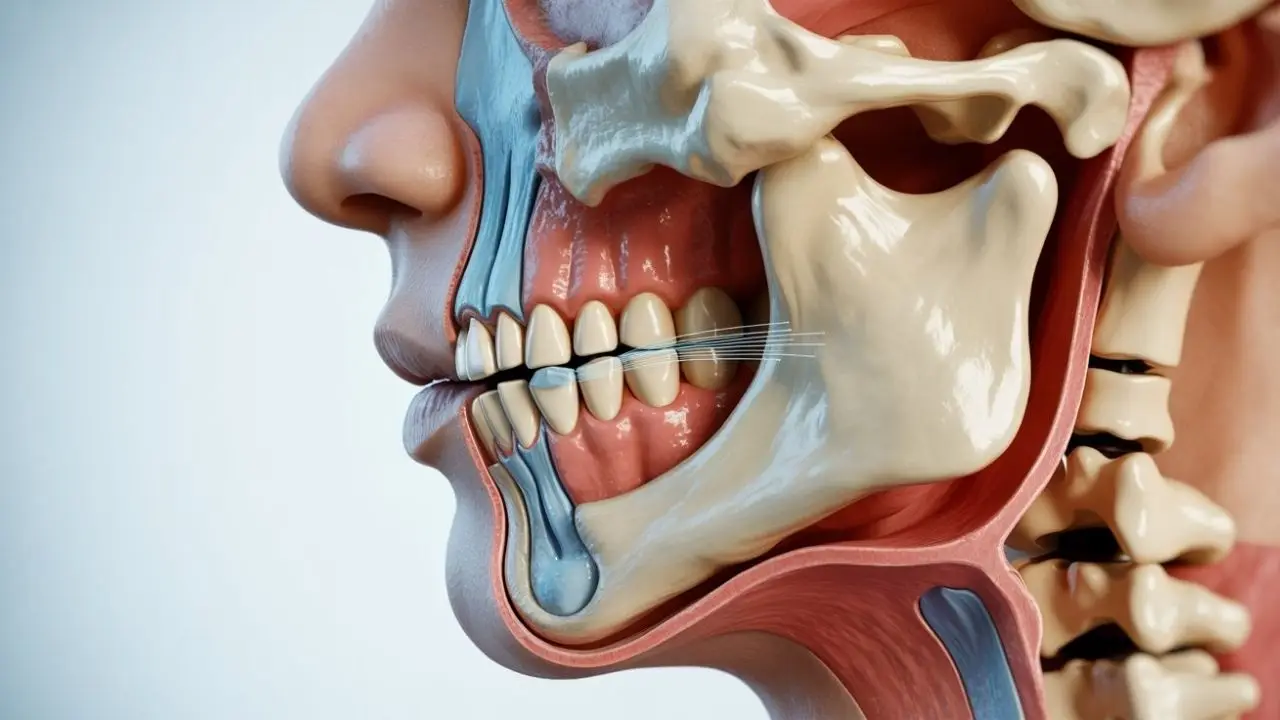
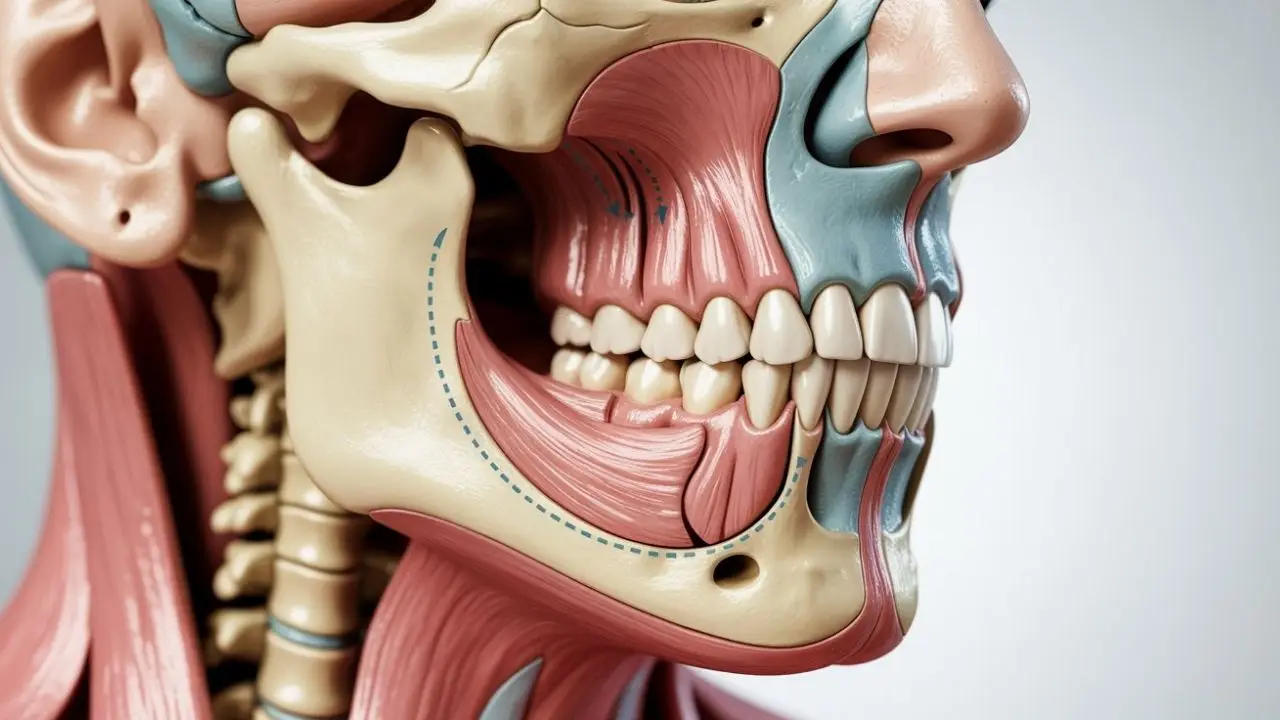
A pediatric jaw fracture occurs when the lower or upper jaw bone breaks due to trauma. Such injuries may result from falls, sports or accidents. Because facial bones in children contain growth centers, even minor fractures can influence long-term jaw development.
Initial Assessment and Diagnosis
Doctors begin with a thorough clinical examination of the face, mouth and bite. X-rays or three-dimensional scans reveal the fracture location and extent. These steps help determine whether the injury affects tooth buds or growth areas.
- Check for pain, swelling or bleeding
- Assess bite alignment and jaw movement
- Evaluate nerve function in the lips and chin
Fracture Treatment Approaches
Treatment depends on the child’s age, fracture type and overall health. Some cases heal with soft diet and observation, while others need stabilization. Children’s jaw surgery is considered only when alignment cannot be maintained conservatively.
| Stage | General Description |
|---|---|
| Evaluation | Clinical exam and imaging assess bone and tooth position. |
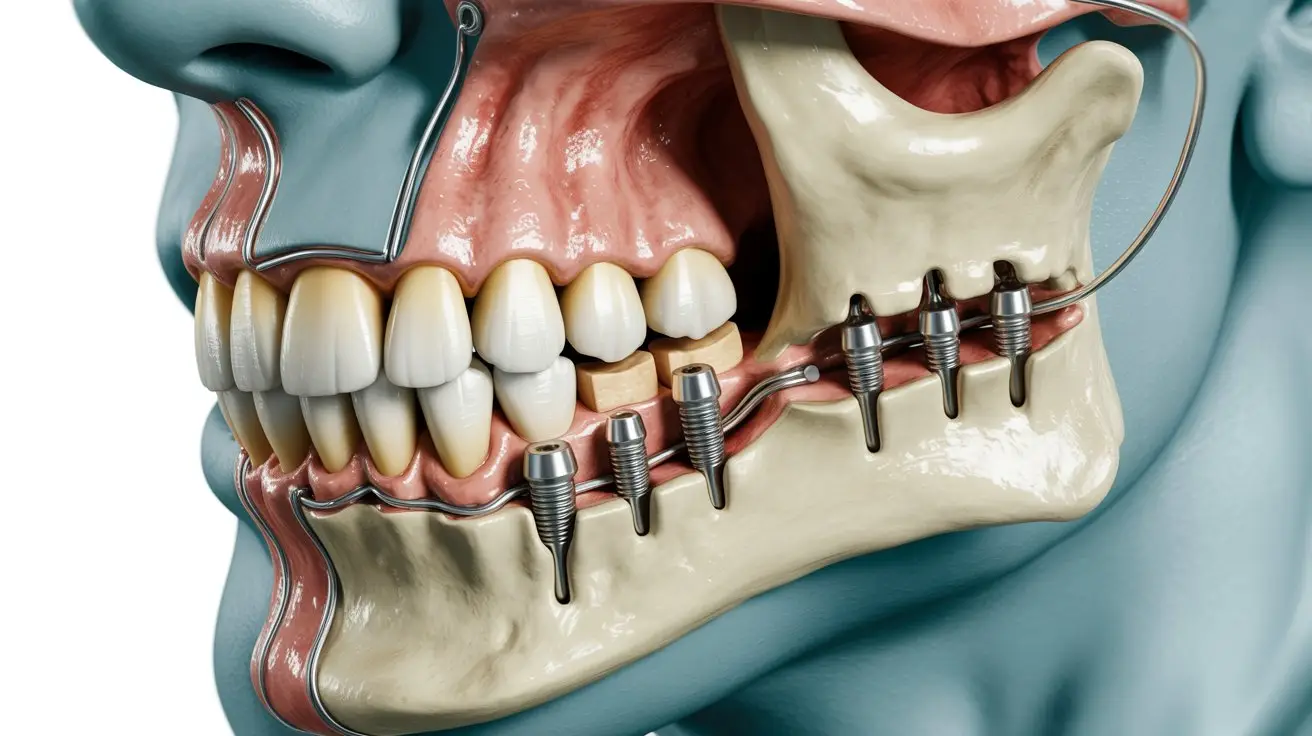
| Stabilization | Methods may include wiring, splints or plates suited to growing bones. |
| Follow-up | Regular checks monitor healing and jaw development. |
Considerations for Jaw Development
Growth plates in the jaw must be protected during fracture treatment. Improper alignment may lead to asymmetry or bite problems later. Specialists therefore choose techniques that minimize interference with natural bone growth.
Recovery and Aftercare
Healing usually takes several weeks. A soft diet, good oral hygiene and activity limits support recovery. Follow-up visits track jaw development and detect any complications early.
Sık Sorulan Sorular
How is a pediatric jaw fracture diagnosed?
Diagnosis involves clinical examination and imaging such as X-rays or CT scans. Findings help determine the best fracture treatment plan for the child’s age and growth stage.
When is children’s jaw surgery necessary?
Surgery may be considered when the fracture prevents proper bite alignment or risks future jaw development. Conservative options are preferred whenever possible.
Does fracture treatment affect permanent teeth?
Fractures near developing teeth require extra caution. Imaging helps avoid damage to tooth buds during stabilization procedures.
How long does recovery take after pediatric jaw fracture?
Most children heal within four to six weeks, though full jaw development monitoring may continue for months or years.
Are there risks to jaw development after treatment?
Any fracture near growth centers carries some risk. Regular follow-up allows early detection of growth disturbances.
Can nutrition influence healing?
A balanced soft diet supports bone repair. Specific dietary advice is given according to the child’s age and treatment type.
Conclusion
Pediatric jaw fracture treatment focuses on restoring function while safeguarding future jaw development. Each child’s situation is unique and requires individualized assessment through clinical examination and imaging. Families should consult a qualified specialist for decisions tailored to their child.
Uzman Bilgisi
This content has been prepared for informational purposes in the field of oral, dental and maxillofacial surgery. Prof. Dr. Celal Çandırlı’s over 20 years of professional experience and training at England’s NHS Poole Hospital and Newcastle Freeman Hospital contribute to addressing the topic within a scientific and clinical framework.
This content is prepared solely for general informational purposes; it does not replace diagnosis or treatment. In case of complaints related to oral, dental and jaw health, you should consult your dentist or relevant specialist health professional.