Symptoms and Surgical Approaches for Mandibular Deviation
Mandibular deviation occurs when the lower jaw shifts from its central alignment, affecting bite function and facial balance. This condition may develop due to congenital factors, trauma, or uneven growth of the jawbones. Understanding mandibular deviation helps patients recognize when professional evaluation is necessary.
Jaw deviation symptoms often include difficulty chewing, speech challenges, and visible asymmetry. Orthognathic surgery and other jaw surgery options may be considered in moderate to severe cases. The following sections outline general information about symptoms, evaluation steps, and possible surgical approaches.
What Is Mandibular Deviation?
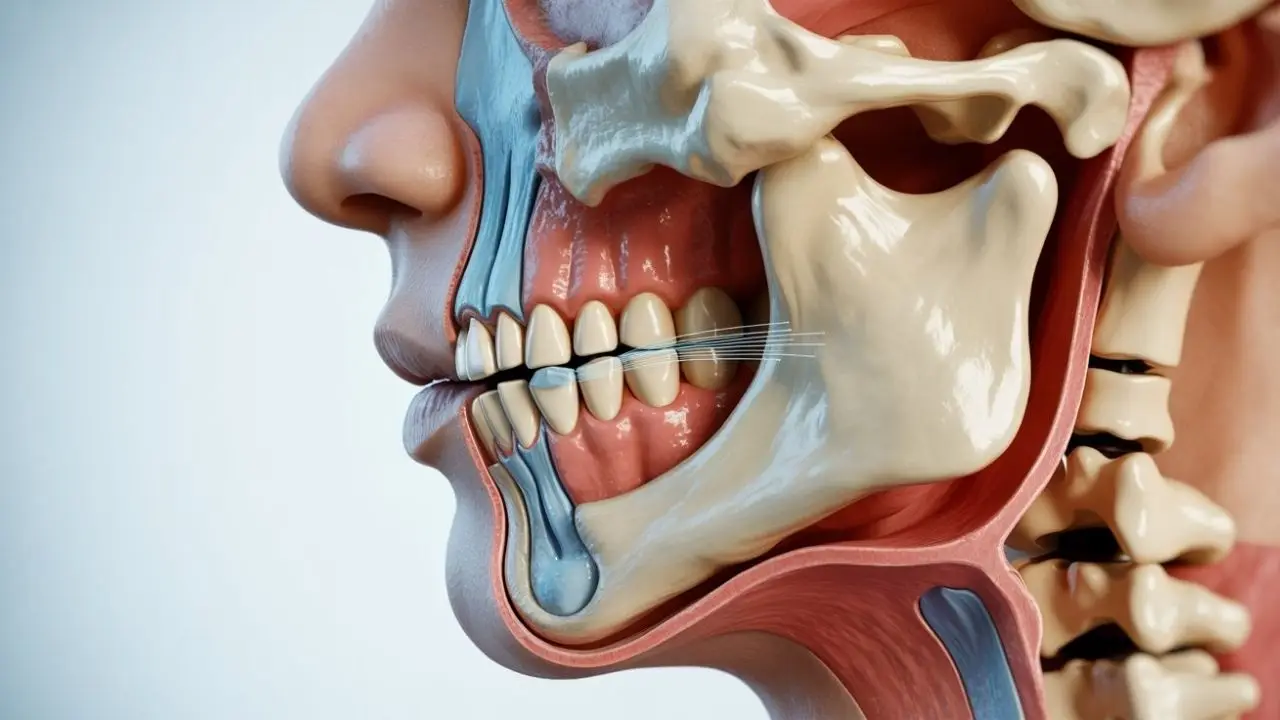
Mandibular deviation describes a lateral or rotational displacement of the lower jaw. It can result from skeletal imbalance, soft tissue changes, or prior injury. Each case differs, so individual assessment through clinical examination and imaging remains essential.
Common Jaw Deviation Symptoms
- Uneven bite or crossbite on one side
- Facial asymmetry noticeable when smiling or speaking
- Chronic jaw pain or temporomandibular joint discomfort
- Difficulty opening the mouth fully or chewing evenly
- Headaches and ear-related pressure in some patients
Evaluation Process Before Jaw Surgery
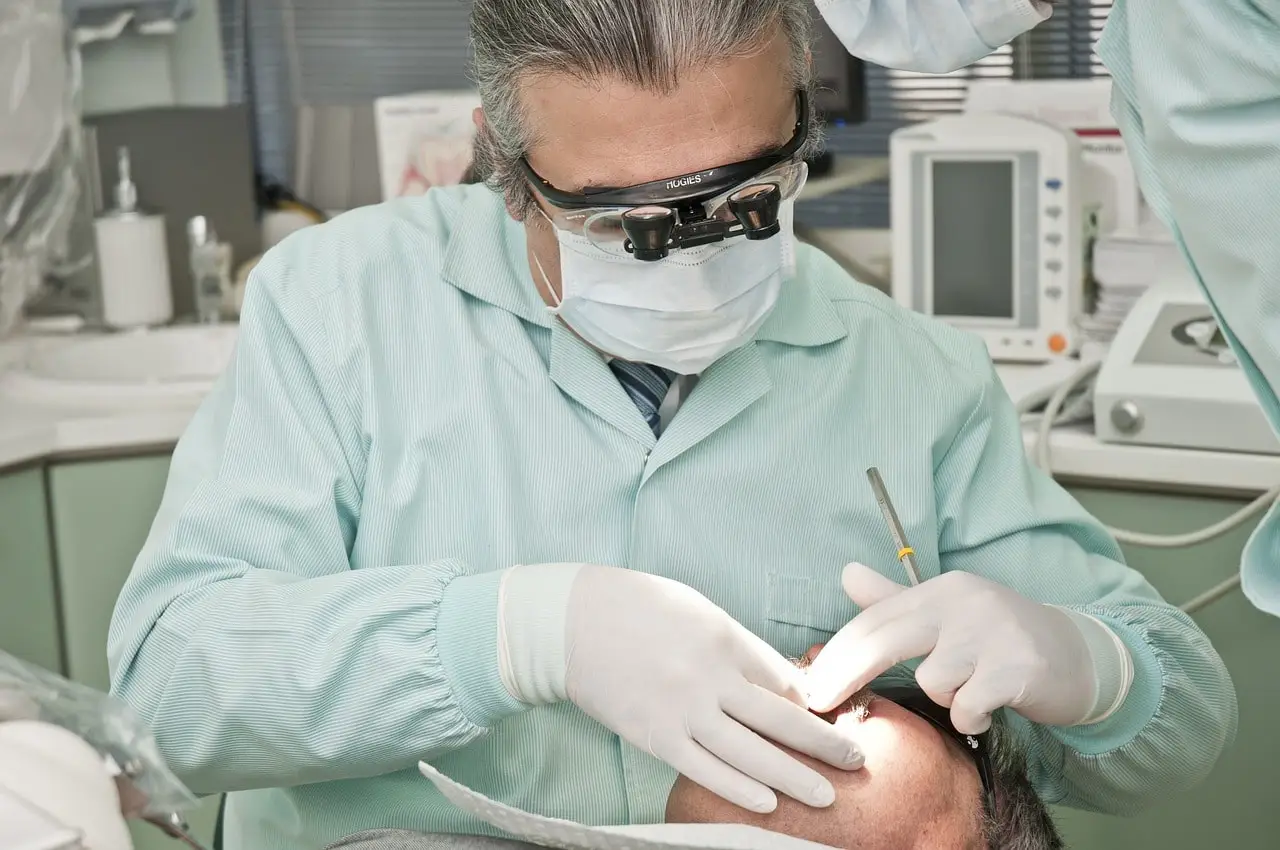
Diagnosis begins with a detailed medical history and physical examination. Three-dimensional imaging helps assess bone position and dental relationships. Orthodontic records and photographs support planning when orthognathic surgery is under consideration.
| Step | General Description |
|---|---|
| Clinical Exam | Measures jaw movement, bite alignment, and facial proportions. |
| Imaging | CBCT or panoramic radiographs reveal skeletal deviation degree. |
| Orthodontic Analysis | Evaluates dental compensation before possible jaw correction. |
| Functional Tests | Assesses speech, chewing efficiency, and joint sounds. |
Surgical Approaches in Orthognathic Surgery
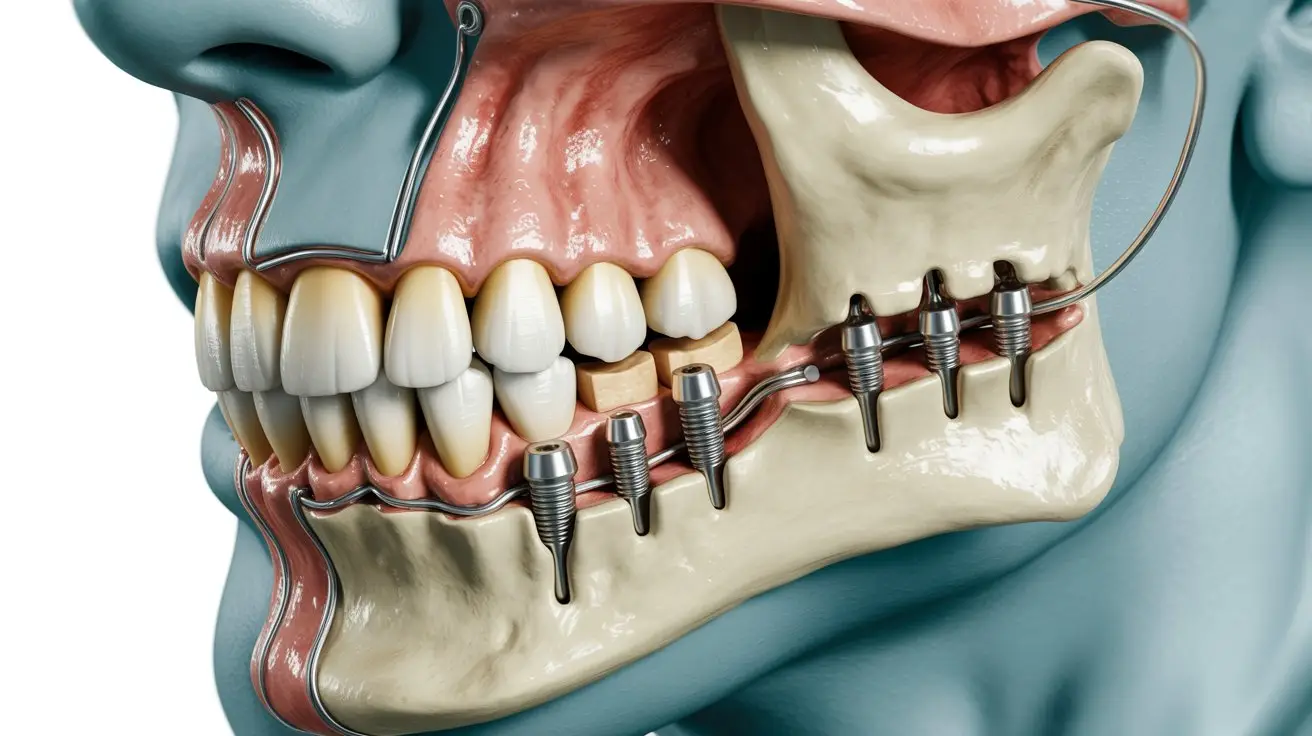
When mandibular deviation affects function or quality of life, orthognathic surgery may be discussed. Procedures aim to reposition the jaw segments for improved alignment. Common techniques include bilateral sagittal split osteotomy and vertical ramus osteotomy. The choice depends on the direction and severity of deviation, as well as overall facial structure.
Pre-surgical orthodontics often aligns teeth to prepare for surgical movement. Post-operative care includes dietary modifications, oral hygiene guidance, and follow-up visits. Recovery timelines vary among individuals.
Considerations and Possible Limitations
Not every patient with mandibular deviation requires surgery. Mild cases may be managed with orthodontics alone or monitored over time. General health status, age, and patient expectations influence treatment planning. A thorough discussion with a qualified specialist helps clarify suitable options.
Sık Sorulan Sorular
Can mandibular deviation cause permanent facial asymmetry?
Untreated mandibular deviation may lead to progressive asymmetry in growing individuals. Early evaluation allows timely intervention when indicated.
Is orthognathic surgery the only option for jaw correction?
Orthognathic surgery represents one approach. Depending on severity, orthodontic camouflage or other non-surgical methods may be considered first.
How long does recovery from jaw surgery usually take?
Initial healing spans several weeks, while complete bone remodeling may require six to twelve months. Individual factors affect the timeline.
Does mandibular deviation always produce pain?
Some patients experience no pain, while others report joint discomfort or muscle tension. Symptoms vary widely between cases.
Can children be evaluated for mandibular deviation?
Yes, early assessment during growth periods can guide interceptive measures. Final decisions about jaw surgery are typically made after growth completion.
Will jaw deviation symptoms return after treatment?
Stability depends on accurate diagnosis, proper planning, and post-treatment maintenance. Regular follow-up supports long-term outcomes.
Conclusion
Mandibular deviation encompasses a range of symptoms and anatomical variations that require individualized assessment. Surgical approaches such as orthognathic surgery may be appropriate in selected cases, yet the decision rests on comprehensive clinical data. Patients are encouraged to consult a qualified health professional for personalized evaluation.
Uzman Bilgisi
This content is prepared for informational purposes in the field of oral, dental and maxillofacial surgery. Prof. Dr. Celal Çandırlı’s over 20 years of professional experience and training at England NHS Poole Hospital and Newcastle Freeman Hospital contribute to addressing the topic within a scientific and clinical framework.
This content is for general informational purposes only; it does not replace diagnosis or treatment. For complaints related to oral, dental and jaw health, you should consult your dentist or relevant specialist health professional.