Who Is a Candidate for Facial Feminization Surgery?
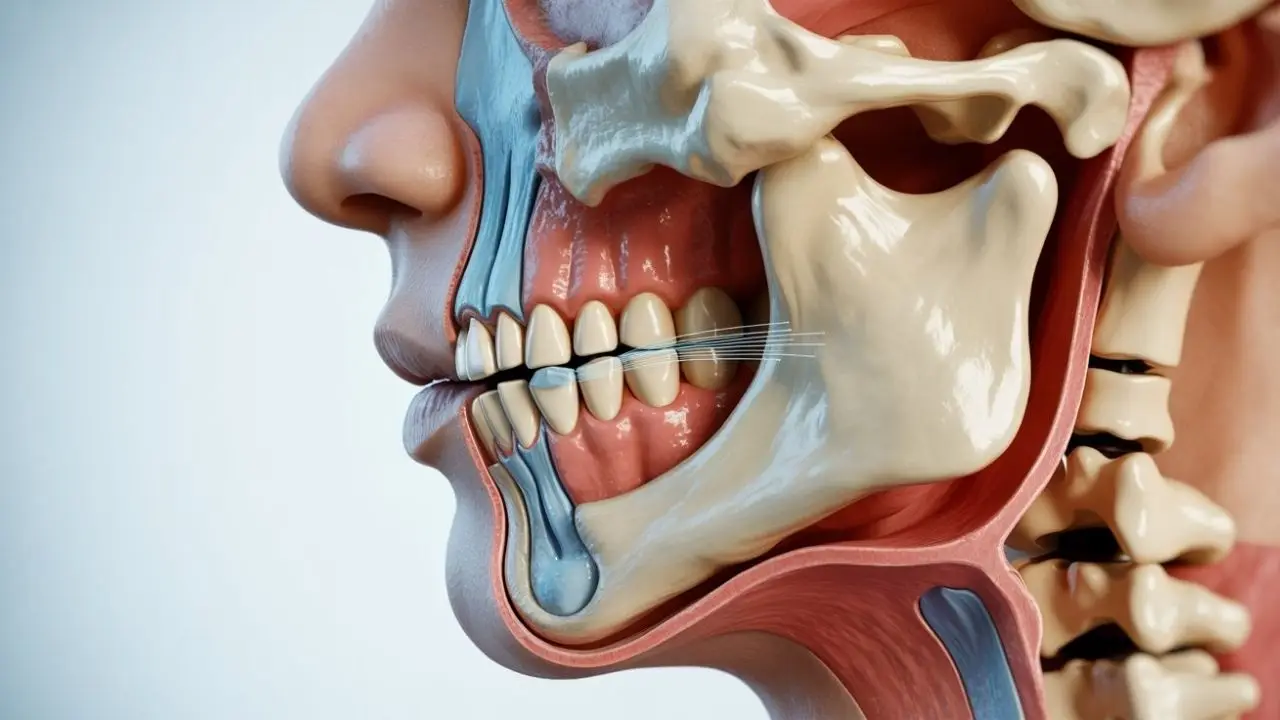
Facial feminization surgery refers to a group of procedures that may help align facial features with a person’s gender identity. This type of facial surgery often includes adjustments to the jaw, forehead, nose, and chin to create softer contours. Patients exploring ffs usually seek changes in jaw aesthetics and overall facial harmony.
The decision to consider facial feminization depends on individual goals, anatomy, and health status. Not every person is a suitable candidate, and thorough evaluation is required before any plan is made.
What Does Facial Feminization Surgery Involve?
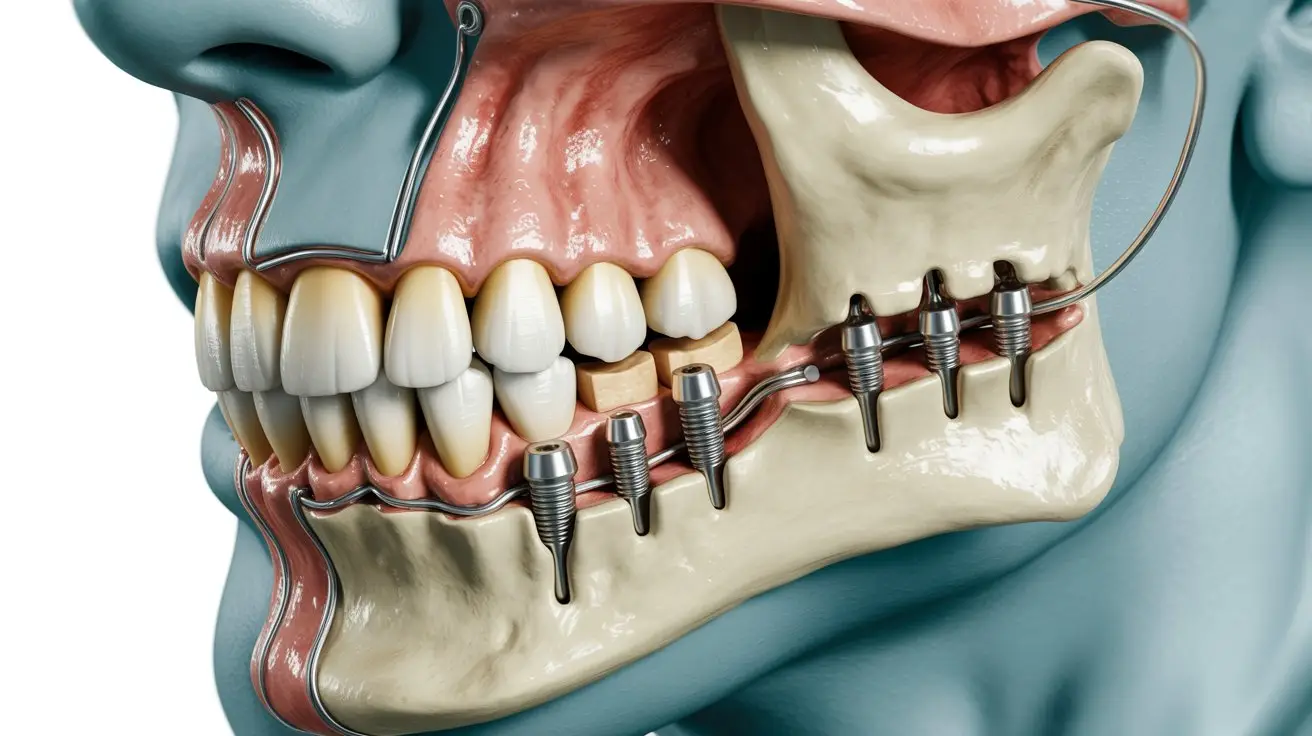
Facial feminization surgery, often called ffs, combines several techniques. Common elements include jaw surgery to reduce width or prominence, brow bone contouring, and rhinoplasty. Each step is planned according to the patient’s facial proportions and desired outcome.
General Factors That May Influence Candidacy
- Stable overall health and absence of uncontrolled medical conditions
- Completed facial bone growth, typically after late teens
- Clear understanding of possible results and limitations
- Realistic expectations regarding jaw aesthetics and recovery
When Facial Feminization May Be Considered
Individuals who experience gender dysphoria related to facial appearance sometimes explore ffs. Jaw surgery and other procedures are discussed only after psychological assessment and medical clearance. Suitability varies widely between patients.
| Evaluation Area | General Consideration |
|---|---|
| Medical History | Reviewed to identify any risks before facial surgery |
| Bone Structure | Assessed through imaging to plan jaw aesthetics changes |
| Psychological Support | Confirmed to ensure informed decision-making |
| Age and Growth | Confirmed that skeletal maturity has been reached |
Who May Not Be Suitable for FFS
Some people may not be candidates due to active health issues, unrealistic expectations, or incomplete bone development. Jaw surgery and other facial procedures require careful risk-benefit analysis for each individual.
Importance of Personal Assessment
Every face is unique. Imaging, clinical examination, and discussion of goals help determine whether facial feminization surgery could be appropriate. No single test or feature alone decides eligibility.
Sık Sorulan Sorular
Is facial feminization surgery suitable for everyone?
Facial feminization is not appropriate for every person. Candidacy depends on health, facial structure, and personal goals evaluated during consultation.
Can jaw surgery be part of ffs?
Jaw surgery is frequently included in ffs to refine jaw aesthetics, but it is planned only when imaging shows it may help achieve the desired contour.
What age is required for facial feminization?
Most surgeons wait until facial growth is complete, usually after the late teens, before considering ffs procedures.
Are there medical conditions that prevent ffs?
Active infections, uncontrolled chronic diseases, or certain bleeding disorders may make facial surgery inadvisable until managed.
How long does recovery from jaw surgery in ffs take?
Recovery timelines vary; swelling and healing after jaw surgery typically require several weeks of limited activity.
Does facial feminization guarantee a specific appearance?
Results depend on individual anatomy and healing. No procedure can promise an exact outcome.
Sonuç
Facial feminization surgery may be discussed by individuals seeking changes in facial appearance. Determining whether someone is a candidate requires detailed medical and surgical evaluation. Personal assessment remains essential before any decision about ffs or jaw surgery is made.
Uzman Bilgisi
This content is prepared for informational purposes in the field of oral, dental and maxillofacial surgery. Prof. Dr. Celal Çandırlı’s over 20 years of professional experience, his training at England NHS Poole Hospital and Newcastle Freeman Hospital, contributes to addressing the topic within a scientific and clinical framework.
This content is for general informational purposes only and does not replace diagnosis or treatment. Please consult a dentist or relevant specialist for any concerns about oral, dental, or maxillofacial health.