Titanium vs PEEK Facial Implants Comparison
Titanium vs PEEK facial implants comparison helps patients understand two common materials used in facial reconstruction. Both titanium implant and peek implant options may be considered during jaw surgery when bone support or volume restoration is needed. Implant materials differ in strength, flexibility and imaging properties, so individual evaluation remains essential.
Facial implant procedures address structural deficiencies in the jaw, cheek or orbit. The choice between titanium implant and peek implant depends on the patient’s anatomy, medical history and planned surgical approach. No single material suits every case.
What Are Facial Implants?
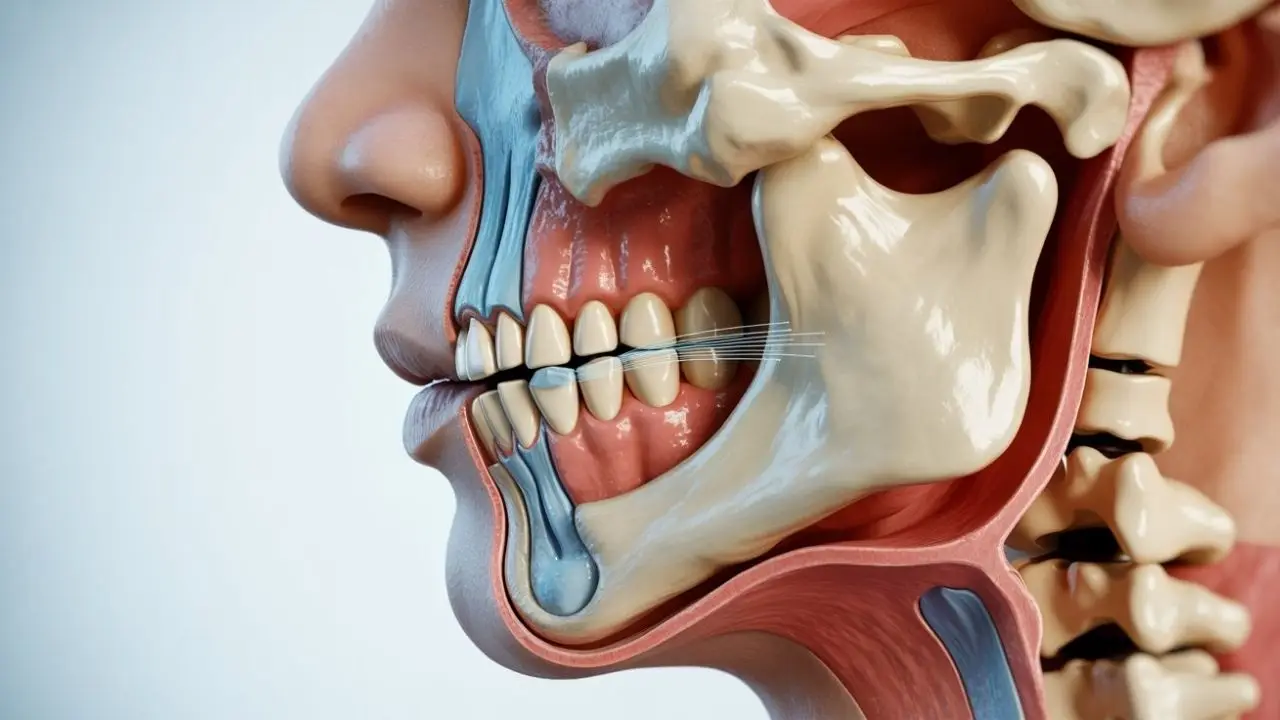
Facial implants are biocompatible devices placed to augment or reconstruct bone contours. They may be used in jaw surgery to improve symmetry or support soft tissues. Both titanium implant and peek implant varieties are available, each with distinct mechanical characteristics.
Properties of Titanium Implant
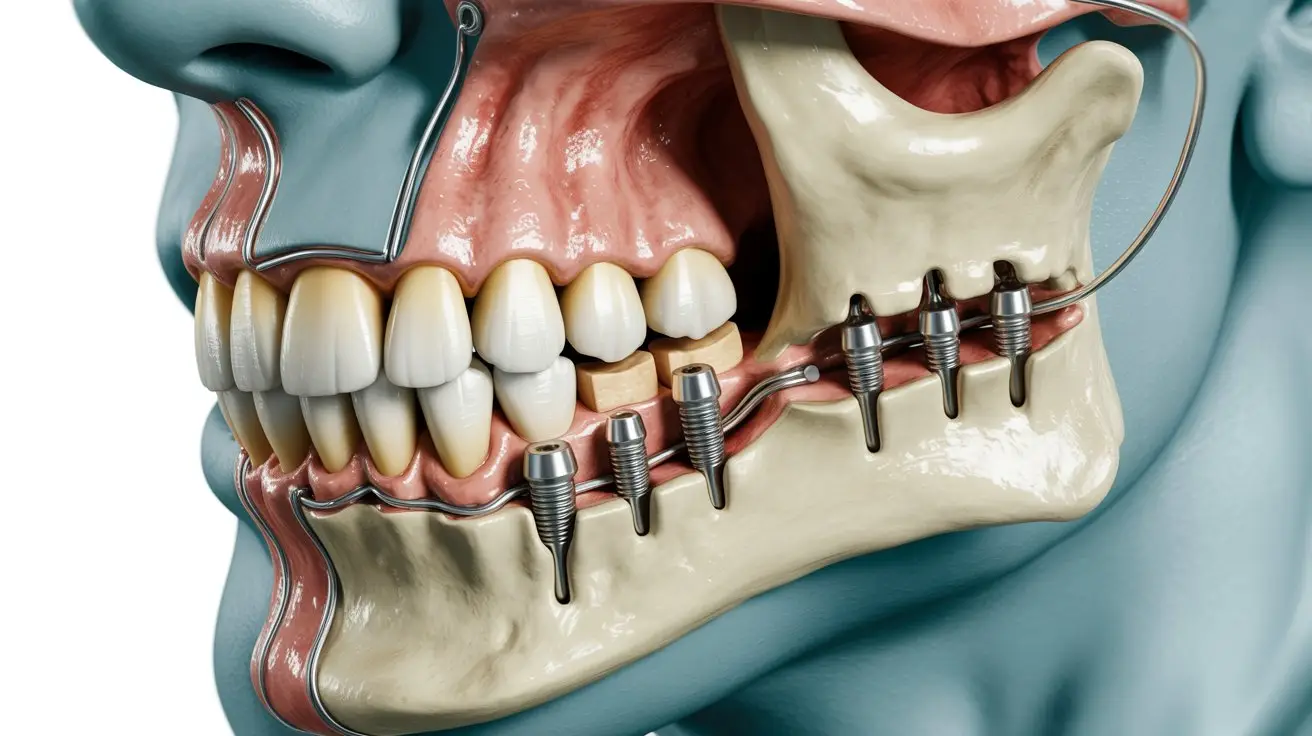
A titanium implant offers high strength and excellent osseointegration. It integrates directly with surrounding bone and resists corrosion. Titanium is radiopaque, so it appears clearly on radiographs and CT scans. Some patients may experience sensitivity to cold or require additional imaging adjustments.
Properties of PEEK Implant
PEEK implant is a polymer known for its elasticity similar to bone. It is radiolucent, allowing clearer postoperative imaging without metal artifacts. A peek implant can be easily contoured during surgery and may reduce stress shielding on adjacent bone.
Comparison Table of Implant Materials
| Feature | Titanium Implant | PEEK Implant |
|---|---|---|
| Strength | Very high | Moderate, bone-like |
| Imaging | Radiopaque, may cause artifacts | Radiolucent, clearer scans |
| Osseointegration | Strong bone bonding | Limited, often needs fixation |
| Customization | Requires pre-shaping | Easily modified intraoperatively |
| Weight | Heavier | Lighter |
Considerations in Jaw Surgery
During jaw surgery, surgeons evaluate bone quality, defect size and soft-tissue coverage. Titanium implant may be preferred when rigid fixation is required. Peek implant may suit cases needing flexibility or repeated imaging. Both materials carry general surgical risks such as infection or displacement.
Factors That May Influence Material Selection
- Patient age and bone density
- History of radiation or chemotherapy
- Need for future MRI or CT scans
- Desired aesthetic contour and load-bearing requirements
- Surgeon experience with each implant type
General Postoperative Points
Recovery involves swelling control, soft diet and follow-up imaging. Patients should report persistent pain or asymmetry. Long-term success depends on proper placement and individual healing response.
Frequently Asked Questions
Is titanium implant stronger than peek implant?
Titanium generally provides higher mechanical strength, yet peek implant offers elasticity closer to natural bone. Suitability varies by clinical situation.
Can peek implant be used in jaw surgery?
Peek implant may be considered in jaw surgery when flexibility and imaging clarity are priorities. Final choice requires detailed assessment.
Which facial implant material shows better on scans?
PEEK implant is radiolucent and produces fewer artifacts on CT or MRI compared with titanium implant.
Are both implant materials safe long term?
Both titanium implant and peek implant have established safety records when used appropriately. Individual factors such as allergies or medical conditions must be reviewed.
Does the choice affect recovery time?
Recovery timelines are influenced more by surgical extent than by material alone. Follow-up visits help monitor healing regardless of implant type.
Can either material be removed later?
Removal is possible but depends on integration and surrounding tissue condition. This decision should be made after clinical and radiographic evaluation.
Conclusion
Titanium vs PEEK facial implants comparison shows that each material has specific advantages in strength, imaging and handling. The most appropriate option can only be determined through personal examination and imaging studies by a qualified specialist.
Expert Information
This content has been prepared for general informational purposes in the field of oral, dental and maxillofacial surgery. Prof. Dr. Celal Çandırlı’s more than 20 years of professional experience and training at England NHS Poole Hospital and Newcastle Freeman Hospital contribute to the scientific and clinical perspective presented.
This content is for general information purposes only and does not replace diagnosis or treatment. For any complaints related to oral, dental and jaw health, consult your dentist or relevant specialist healthcare professional.